Poor blood circulation can make ordinary moments feel alarming: cold toes, swollen ankles, numb fingers, or aching calves after a short walk. But what causes poor blood circulation in the body is rarely one simple issue. Artery narrowing, blood clots, diabetes, smoking, high blood pressure, obesity, inactivity, and certain medicines may all contribute. Sometimes, symptoms overlap. That makes self-diagnosis unreliable.
The World Health Organization reports that cardiovascular diseases caused approximately 17.9 million deaths worldwide in 2019. The American Heart Association’s Heart Disease and Stroke Statistics report identifies peripheral artery disease as a major circulation-related condition affecting millions of adults. The U.S. Centers for Disease Control and Prevention also estimates that about 6.5 million Americans aged 40 and older have peripheral artery disease. The numbers are serious. They are not the whole story.
Harvard cardiologist Dr. Peter Libby has described atherosclerosis as “a chronic inflammatory disease.” This perspective matters because plaque can slowly stiffen arteries before obvious pain appears. A weak pulse, shiny skin, slow-healing cuts, or one unusually cold foot deserves attention. Not every cold hand signals arterial disease. Still, ignoring repeated changes can be a costly mistake. The 2026 guide will examine how circulation works, which conditions restrict blood flow, and how doctors distinguish vascular problems from nerve or muscle disorders. It will also separate evidence from popular claims, because some advice sounds convincing but remains poorly tested. Awareness helps. Clinical evaluation matters more.
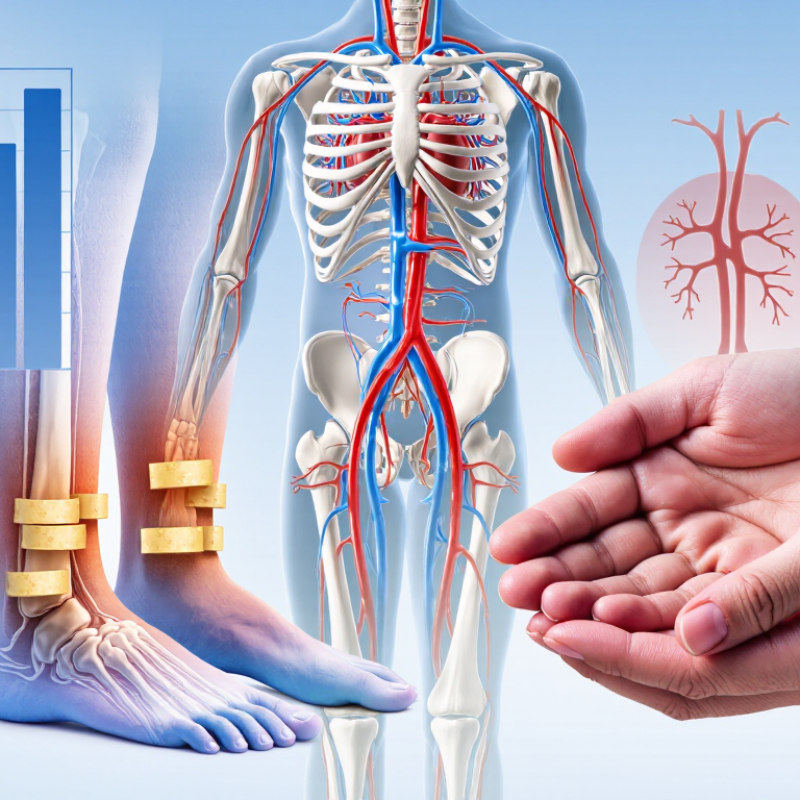
Poor blood circulation means blood is not moving efficiently through the body’s arteries and veins. It is often linked to narrowed, stiff, or damaged blood vessels. The phrase sounds simple, but it is not a precise medical diagnosis. Different conditions can create similar symptoms.
When leg arteries narrow, muscles receive less oxygen during walking. Pain may appear in the calves, then ease after resting. Feet can feel cold, pale, numb, or unusually weak. Wounds may heal slowly. The Centers for Disease Control and Prevention reports that peripheral artery disease affects about 6.5 million adults aged 40 years and older in the United States. These figures show the problem is common, yet many people mistake early symptoms for normal aging.
Poor circulation can also affect the brain, heart, kidneys, and skin. Reduced blood flow may limit oxygen delivery and increase the risk of tissue damage. The World Health Organization reported 17.9 million deaths from cardiovascular diseases in 2019, representing about 32% of all global deaths. Poor circulation does not cause every cardiovascular event, but it can signal wider vascular disease. One detail is easy to miss: some people have no obvious symptoms. That makes routine blood pressure, glucose, cholesterol, and vascular checks useful. A clinician should assess persistent swelling, color changes, numbness, or walking pain. Home observations help, but they cannot confirm the cause. More caution is needed when symptoms suddenly worsen.
| Cause or Condition | How It Affects Blood Flow | Commonly Affected Areas | Typical Signs and Symptoms | Important Risk Factors | When to Seek Medical Attention | Evidence Source |
|---|---|---|---|---|---|---|
| Peripheral artery disease (PAD) | Fatty plaque narrows arteries supplying the limbs, reducing oxygen-rich blood flow, especially during activity. | Legs and feet; occasionally the arms | Leg pain or cramping while walking that improves with rest, cool skin, weak pulses, slow-healing sores, and changes in skin color. | Smoking, diabetes, high blood pressure, high cholesterol, older age, obesity, and physical inactivity | Prompt medical evaluation is important, particularly for foot wounds, worsening pain, or pain at rest. | National Heart, Lung, and Blood Institute (NHLBI) |
| Atherosclerosis | Cholesterol-containing plaque builds up inside artery walls, making the arteries narrower and less flexible. | Heart, brain, kidneys, legs, and other organs | Symptoms depend on the affected artery and may include chest discomfort, shortness of breath, weakness, numbness, or leg pain with walking. | High LDL cholesterol, smoking, diabetes, high blood pressure, family history, and increasing age | Sudden chest pressure, severe shortness of breath, or signs of stroke require emergency care. | National Heart, Lung, and Blood Institute (NHLBI) |
| Blood clots | A clot can partially or completely block a vein or artery, interrupting normal circulation. | Usually a leg vein; an arterial clot may affect the heart, brain, or limb | One-sided swelling, warmth, tenderness, or pain may occur with a deep-vein clot. Sudden limb coldness or severe pain can indicate arterial blockage. | Recent surgery, prolonged immobility, cancer, pregnancy, estrogen-containing medicines, previous clots, and inherited clotting disorders | Sudden breathlessness, chest pain, coughing blood, fainting, or a cold and painful limb requires emergency care. | Centers for Disease Control and Prevention (CDC) |
| Chronic venous insufficiency | Damaged leg valves allow blood to flow backward and pool in the veins instead of returning efficiently to the heart. | Lower legs and ankles | Leg swelling, heaviness, aching, itching, varicose veins, skin discoloration, and ulcers near the ankles. | Varicose veins, previous deep-vein thrombosis, obesity, pregnancy, prolonged standing, and increasing age | Medical assessment is recommended for persistent swelling, skin changes, or a non-healing leg ulcer. | National Heart, Lung, and Blood Institute (NHLBI) |
| Diabetes-related vascular damage | Long-term high blood glucose can damage blood vessels and nerves, impairing circulation and wound healing. | Feet, legs, eyes, kidneys, heart, and brain | Numbness, tingling, reduced ability to feel injury, dry or cracked skin, slow-healing wounds, and changes in foot temperature or color. | Persistently high blood glucose, smoking, high blood pressure, high cholesterol, and long-standing diabetes | Any infected, discolored, or slow-healing foot wound should be assessed promptly. | Centers for Disease Control and Prevention (CDC) |
| Raynaud’s phenomenon | Small arteries temporarily narrow in response to cold or stress, reducing blood flow to the fingers or toes. | Fingers and toes; sometimes the nose or ears | Episodes of coldness, numbness, tingling, and color changes such as white, blue, and then red skin. | Cold exposure, emotional stress, smoking, certain medicines, and autoimmune conditions | Seek medical advice for severe, frequent, painful, or ulcerating attacks, or symptoms that begin suddenly. | National Institute of Arthritis and Musculoskeletal and Skin Diseases (NIAMS) |
| Heart failure | The heart cannot pump enough blood to meet the body’s needs, causing reduced forward flow and fluid buildup. | Lungs, legs, ankles, and the whole body | Shortness of breath, fatigue, reduced exercise tolerance, swelling in the legs, rapid weight gain from fluid, and difficulty lying flat. | Coronary artery disease, high blood pressure, diabetes, heart valve disease, obesity, and previous heart damage | Severe breathlessness, fainting, confusion, or chest pain requires emergency care. | National Heart, Lung, and Blood Institute (NHLBI) |
| Low physical activity | Reduced muscle activity limits the “muscle pump” that helps return blood from the legs to the heart and may worsen vascular risk factors. | Most noticeable in the legs | Leg heaviness, stiffness, swelling after prolonged sitting, and reduced exercise tolerance. | Desk-based work, prolonged travel, illness, disability, and limited access to safe exercise | Persistent or one-sided swelling should not be assumed to be caused by inactivity; medical evaluation may be needed. | World Health Organization (WHO) |
| Smoking and nicotine exposure | Smoking damages artery walls, promotes plaque formation and clotting, and can constrict blood vessels. | Heart, brain, legs, and other organs | May worsen exercise-related leg pain, cold extremities, slow wound healing, and cardiovascular symptoms. | Current or past tobacco use, secondhand smoke exposure, and longer duration of use | Stopping tobacco use is an important risk-reduction step; discuss cessation support with a healthcare professional. | Centers for Disease Control and Prevention (CDC) |
| Dehydration or significant blood loss | Lower circulating blood volume can reduce blood pressure and limit blood delivery to tissues. | Whole body; vital organs may be affected in severe cases | Thirst, dry mouth, dizziness, weakness, reduced urination, rapid heartbeat, confusion, or fainting. | Vomiting, diarrhea, fever, heat exposure, heavy sweating, injury, or internal bleeding | Fainting, confusion, rapid breathing, severe weakness, or suspected major bleeding requires emergency care. | MedlinePlus; National Health Service (NHS) |
| Anemia | Reduced red blood cell count or hemoglobin lowers the blood’s oxygen-carrying capacity, even when blood vessels are open. | Whole body | Fatigue, weakness, pale skin, dizziness, headaches, shortness of breath, and a rapid or irregular heartbeat. | Iron deficiency, vitamin deficiency, chronic disease, inherited blood disorders, or blood loss | Unexplained or worsening fatigue, breathlessness, fainting, or suspected bleeding should be medically evaluated. | National Heart, Lung, and Blood Institute (NHLBI) |
| Nerve compression or neuropathy | Nerve problems can create sensations that resemble poor circulation, although the primary issue may be altered nerve signaling rather than reduced blood flow. | Hands, feet, legs, or arms | Numbness, burning, pins and needles, sensitivity to touch, or weakness; skin may look normal. | Diabetes, vitamin deficiencies, alcohol misuse, certain medicines, injury, and nerve compression | New weakness, loss of bladder or bowel control, rapidly spreading numbness, or sudden one-sided symptoms requires urgent assessment. | National Institute of Neurological Disorders and Stroke (NINDS) |
Cold hands or feet, numbness, tingling, and pale or blue skin may signal reduced blood flow. Leg cramps during walking may improve after resting. Small changes matter.
Swollen ankles can occur with circulation problems, but other conditions may cause swelling too. Do not massage a swollen, painful leg before medical advice. Get it checked.
Reduced blood flow may limit oxygen reaching damaged skin. Check your feet each evening for blisters, cracks, redness, or color changes. Slow healing deserves medical attention.
Doctors review symptoms, medical history, medicines, and risk factors such as diabetes or smoking. They may compare pulses, blood pressure, blood sugar, and skin temperature on both sides. One test may not explain everything.
An ankle-brachial index compares blood pressure at the ankle and arm. Doppler ultrasound can show blood movement through vessels. Further scans may be needed when results remain unclear.
No. Cold feet can have several possible causes, including nerve or environmental problems. Persistent coldness, numbness, color changes, or pain should receive professional evaluation. The first explanation may be wrong.
Move gently for a few minutes each hour, especially after long sitting. Move your ankles and avoid crossing your legs for extended periods. Walk gradually.
Keep feet warm, but avoid heating pads or direct heat on numb skin. Wear comfortable shoes and inspect the skin daily. You may not feel an injury immediately.
Seek urgent care for sudden chest pain, severe breathlessness, one-sided weakness, or a cold, painful limb. Sudden leg swelling, severe pain, or pale or blue skin also needs immediate attention. Do not wait.
Poor blood circulation occurs when blood cannot move efficiently through the arteries and veins, limiting the delivery of oxygen and nutrients to the body’s tissues. Understanding what causes poor blood circulation in the body is important because it may be linked to narrowed or blocked arteries, blood clots, diabetes, high blood pressure, high cholesterol, smoking, obesity, or limited physical activity. Common warning signs include cold hands and feet, numbness, tingling, muscle cramps, swelling, skin color changes, slow-healing wounds, and pain that worsens during movement.
Doctors may evaluate circulation through a medical history, physical examination, blood tests, and imaging or pressure measurements when necessary. Treatment depends on the underlying cause and may include managing related health conditions, becoming more physically active, improving eating habits, stopping smoking, maintaining a healthy weight, and taking prescribed medication. Severe or sudden symptoms, such as intense limb pain, marked swelling, or sudden weakness, require prompt medical attention.

 StavroCare Medical