In today's fast-paced world, health monitoring systems have become essential for maintaining well-being. Experts in the field emphasize the importance of choosing the right system. Dr. Emma Collins, a leading health technology researcher, states, "A good health monitoring system can significantly improve patient outcomes." This highlights the need for careful selection.
When considering what makes a good health monitoring system, several factors come into play. Accuracy in data collection is crucial. Systems should deliver precise measurements of vital signs. User-friendliness is another vital aspect. Patients need to interact with the system seamlessly. Additionally, integration with medical facilities promotes effective communication.
However, not all systems live up to their potential. Some lack consistent updates or fail to engage users effectively. It is essential to assess each system critically. Users should consider their specific needs and preferences. This thoughtful approach can lead to better health management and improved quality of life.
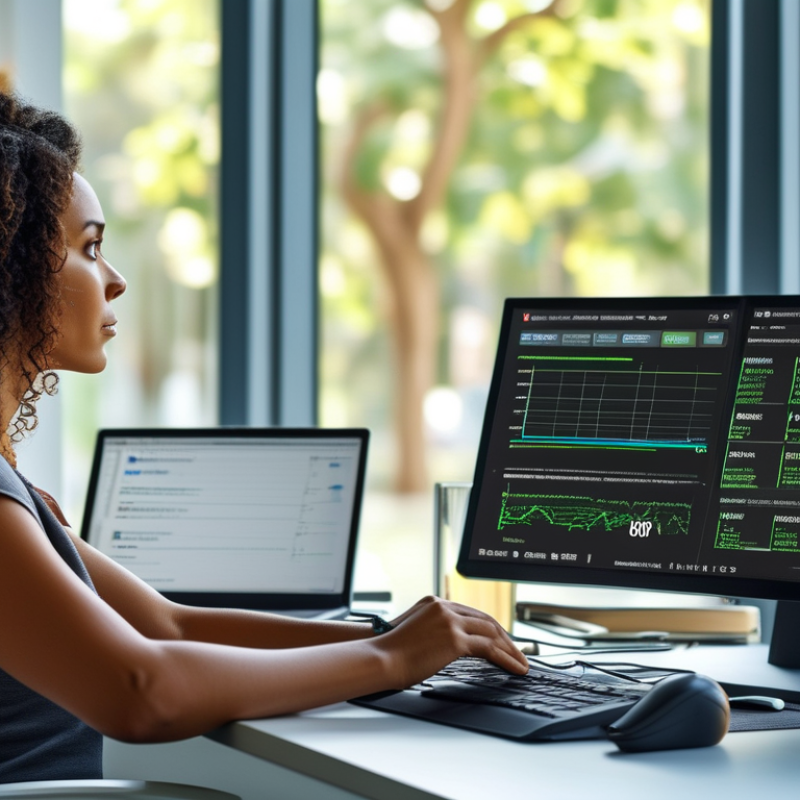
Understanding Health Monitoring Systems: An Overview of Types and Features
Health monitoring systems have become vital in today's healthcare landscape. These systems range from wearable devices to sophisticated software that aggregates data from various sources. According to a recent report by Markets and Markets, the health monitoring market is expected to grow to $66.9 billion by 2025, driven by an increasing focus on preventive healthcare.
Understanding the types of health monitoring systems is crucial. Wearable devices track metrics like heart rate, sleep patterns, and activity levels. Mobile applications can store this data and provide insights. Telehealth platforms enable remote consultations and monitoring, making healthcare more accessible. Many users report challenges in navigating these technologies. Data privacy concerns and device accuracy can be limiting factors. Proper user education is essential for maximizing the benefits of these systems.
When selecting a health monitoring system, look for features that match your needs. Integration with other tools and patient education resources can enhance usability. However, remember that not all systems address all health concerns effectively. Continuous evaluation is needed to ensure that the system adapts to your health journey. A personalized approach can lead to better engagement and outcomes.
Key Factors in Evaluating the Accuracy of Health Monitoring Devices
When choosing a health monitoring system, accuracy is crucial. Devices should precisely track your metrics, like heart rate or sleep quality. Look for systems that undergo rigorous testing and validation. User reviews can provide insights into real-world performance. Individual experiences can help you gauge reliability.
Tip: Consider features that matter most to you. Some devices excel in specific areas while lacking others. Make a list of your priorities before shopping.
The quality of sensors plays a key role in accuracy. High-resolution sensors yield better data. However, not every gadget meets high standards. Research specifications carefully, and be cautious of overly optimistic claims.
Tip: Ask for professional recommendations. Health experts often have insights into which devices consistently perform well. They can guide you toward reliable options based on your needs.
2026 How to Choose a Good Health Monitoring System? - Key Factors in Evaluating the Accuracy of Health Monitoring Devices
| Device Type |
Accuracy (%) |
User Reviews (out of 5) |
Battery Life (hours) |
Price Range ($) |
| Smartwatch |
92 |
4.5 |
24 |
200 - 400 |
| Fitness Tracker |
90 |
4.2 |
50 |
30 - 150 |
| Heart Rate Monitor |
95 |
4.7 |
20 |
50 - 300 |
| Blood Pressure Monitor |
88 |
4.0 |
100 |
30 - 200 |
| Glucose Monitor |
87 |
4.3 |
40 |
40 - 250 |
Assessing User Experience and Engagement in Health Monitoring Systems
When choosing a health monitoring system, user experience is crucial. A system should be intuitive and user-friendly. Complex interfaces can frustrate users. This frustration can lead to disengagement. Simplicity is key. Clear navigation helps users feel confident and empowers them to track their health.
Engagement metrics are vital. Look for features that motivate users to return. Push notifications can remind them to check in. Gamification elements make tracking fun and interesting. Users often seek feedback. Offering insights based on collected data keeps them engaged. However, too much information can overwhelm. Balancing detail with clarity is essential.
It's important to consider accessibility as well. A wide range of users may have different needs. Systems should cater to all ages and abilities. Some might struggle with technology. Easy-to-read text and voice commands can help. Also, user support should be readily available. Users may encounter issues that need solving. When a system fails to provide help, it can decrease trust and reliance. Thoughtful design and ongoing support contribute to a positive user experience.
The Role of Data Security and Privacy in Health Monitoring Solutions
In the era of digital health, data security and privacy are paramount. Health monitoring systems often collect sensitive personal information. This data can include medical history, daily habits, and biometrics. Ensuring this data remains secure is not just important; it is essential. Users must trust these systems. A breach of privacy can lead to serious consequences.
To navigate these concerns, individuals should look for health monitoring solutions with robust security measures. Encryption is vital in protecting personal data. When data is encrypted, it becomes unreadable to unauthorized users. Furthermore, clear privacy policies can help users understand how their data is handled. Users should question how their data is stored and shared. Transparency in Privacy is crucial for building trust.
However, not all systems prioritize security as they should. Some may lack adequate protection measures. Users should critically assess each option. It is essential to remain vigilant about potential risks. This evaluation may require time and research, but it is necessary for personal safety. Protecting sensitive health information should be a priority for both users and developers.
Comparative Analysis of Market Leaders in Health Monitoring Technology
In the rapidly evolving world of health monitoring technology, choosing the right system requires careful analysis. The leading players in the market offer diverse features, but not all solutions are equally effective. A 2022 report from the Health Technology Assessment Journal highlighted that 70% of users preferred systems that provided real-time data and easy integration with existing platforms. This reflects a growing demand for seamless access to health insights.
Tip: Focus on user-friendly interfaces. Systems that are intuitive encourage regular usage and better health outcomes. A complex system can lead to frustration, which may result in incomplete data.
The Comparative Analysis Report indicates that privacy concerns dominate consumer choice. In a survey, 65% of users expressed worries about data security. It's essential to evaluate the security measures in place, as user trust primarily hinges on privacy assurances. Moreover, a platform’s ability to adapt to personal health conditions can greatly enhance its utility. Users may overlook this flexibility, which can be crucial in managing chronic conditions effectively.
Tip: Always read user reviews. They can provide insights into a system's reliability and ease of use, highlighting strengths and weaknesses that data alone may not reveal.
FAQS
: Health monitoring systems include wearable devices and software that collect health data. They track metrics like heart rate and activity levels.
They promote preventive healthcare. This focus can lead to better health outcomes and early detection of issues.
Look for user-friendly interfaces, integration capabilities, and features that meet your specific health needs.
Choose systems with strong security measures. Look for encryption and clear privacy policies regarding data handling.
Users often face navigation difficulties and privacy concerns. Device accuracy can also be a problem at times.
Education about the tools is crucial. Understanding how to interpret data can lead to better health management.
No, not all systems prioritize accuracy or security. Users should critically evaluate their options before choosing a system.
A breach can have serious consequences. It’s important to select systems that maintain strict data privacy standards.
Evaluate features, security measures, and user reviews. Consider what is most relevant to your health needs.
Yes, ongoing assessment is important. It ensures that the system continues to meet your changing health journey.
Conclusion
Selecting an effective health monitoring system involves understanding its various types and features, which can greatly influence healthcare outcomes. Key factors like accuracy, usability, and user engagement are essential in determining what makes a good health monitoring system. It's crucial to evaluate how these devices perform in real-world scenarios and how users interact with them to ensure consistency in health data tracking.
Moreover, data security and privacy play a pivotal role in these systems. With sensitive health information being collected, robust measures must be in place to protect this data from breaches. Lastly, conducting a comparative analysis of market leaders can provide insights into industry standards and best practices. Overall, a combination of accurate performance, user-friendly interfaces, and strong data security measures define what makes a good health monitoring system.

 StavroCare Medical