How to Choose the Best Home Health Devices for Your Needs?

Time:2026-06-16 Author:Aria
0%

When it comes to healthcare at home, choosing the right devices is essential. Many people wonder how to choose home health devices that truly meet their needs. With so many options available, it can feel overwhelming. You may ask yourself which devices are reliable and effective. Understanding your specific health conditions is crucial in making informed decisions.

Home health devices can vary significantly in terms of features and functionalities. Some may focus on monitoring vital signs, while others aid in mobility or medication management. It's vital to assess your lifestyle and daily routines. For example, a person with diabetes may need a glucose monitor, while someone recovering from surgery might require mobility aids.

Quality and expert recommendations are vital when selecting these devices. Research brands with a history of reliability. Look for user reviews and ask healthcare professionals for their insights. Remember, not every device will work perfectly for everyone. It’s important to be open to adjustments along the way as your needs may change.
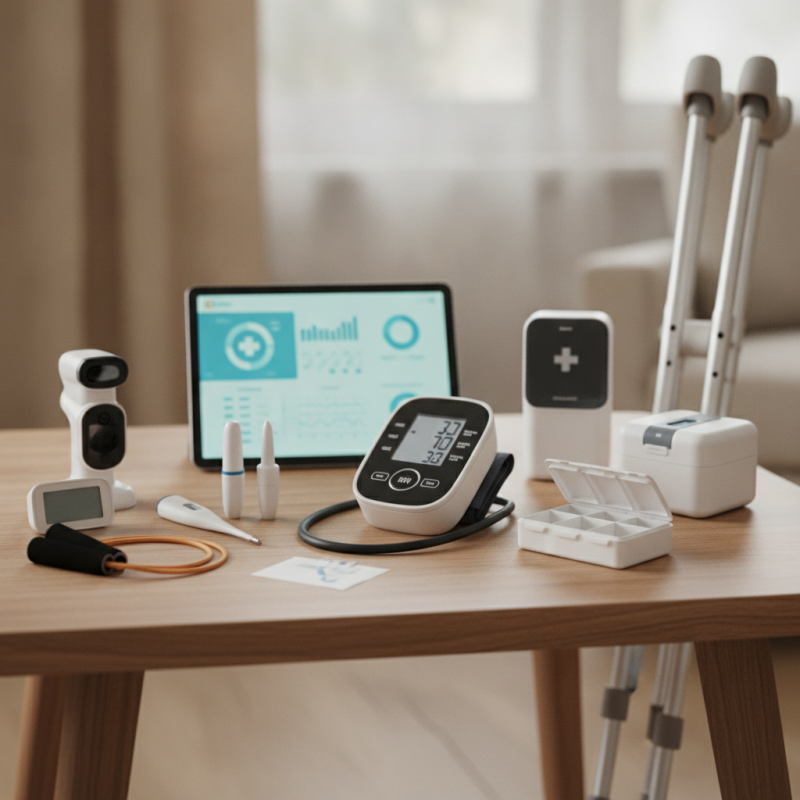
How to Choose the Best Home Health Devices for Your Needs?

Identifying Your Health Monitoring Needs and Goals

Identifying your health monitoring needs is crucial. Start by assessing your current health status. For instance, if you have chronic conditions, it’s essential to monitor your vital signs regularly. According to a recent report by the Global Market Insights, the demand for home health devices is expected to grow significantly, driven by a rise in chronic diseases.

Next, define your health goals. Are you aiming to lose weight, manage blood pressure, or simply stay fit? A survey by the Health Information National Trends Survey found that 80% of people want to use technology for personal health tracking. Devices like blood pressure monitors or smart scales can be effective. However, it's important to choose devices that align with your specific objectives. This may require exploring multiple options and understanding their functionalities.

Consider your preferred style of monitoring. Some devices offer mobile apps for real-time data tracking. Others provide comprehensive reports through digital platforms. It's valuable to reflect on how you’ll integrate these tools into your daily routine. Not all devices suit everyone, and personal preferences play an essential role. Furthermore, take time to read user reviews and research different technologies to ensure they meet your needs without overwhelming you.

Evaluating the Features of Home Health Devices

Choosing the right home health devices is essential for well-being. Evaluating their features helps ensure they meet your specific needs. Consider devices that monitor vital signs like heart rate and blood pressure. Features like Bluetooth connectivity can enhance usability, making data tracking easier. Look for options with user-friendly interfaces. Simplicity in operation is key for consistent use.

Also, pay attention to the device's accuracy. Devices with reliable sensors provide trustworthy measurements. Reliability can vary among models. Check customer reviews to gauge performance. Keep in mind that some features may not be necessary for everyone. It's helpful to reflect on personal health goals when selecting devices. Finally, ensure that any device you choose is compatible with other health management tools you may have.

Overall, the evaluation process can be overwhelming. Take time to research and prioritize your needs. Identify which features truly enhance your health monitoring routine. Consider not just the technology but also how you will integrate it into your daily life. This thoughtful approach helps create a balanced and effective health management system.

Comparing Different Types of Home Health Devices

When selecting home health devices, understanding the types available is crucial. A recent report from the Global Health Products Association reveals that 70% of consumers now prioritize home monitoring tools. These devices include blood pressure monitors, glucose meters, and sleep trackers. Each serves a unique purpose and contributes to overall wellness.

Blood pressure monitors have gained popularity due to their ease of use. Approximately 45% of adults with hypertension benefit from regular monitoring at home. Glucose meters are essential for diabetes management, helping users track their blood sugar levels effectively. Sleep trackers, on the other hand, focus on sleep patterns and quality, with 30% of users reporting improvements in sleep hygiene.

However, not all devices are created equal. Some may lack accuracy, leading to potential health risks. It's essential to consider user reviews and clinical validations. A study from the American Heart Association suggests that over 25% of home health device users experience confusion over feature sets. This highlights the importance of selecting devices that truly meet individual health needs.

Assessing Device Compatibility with Existing Health Systems

When selecting home health devices, assessing their compatibility with your existing health systems is vital. Many devices can track vital signs, medication schedules, and more. However, not every device plays well with others.Check if the devices can communicate seamlessly with your healthcare provider’s system. This will enhance your care and ensure that data flows without issues.

Tips: Research the technical specifications of each device. Look for compatibility indicators or certifications that guarantee integration with existing systems. Consider contacting your healthcare provider for recommendations. They can offer insights on which devices work well together.

Inconsistent data sharing can hinder your health management. Some devices may require manual data entry, leading to potential errors. Think about the time commitment necessary for each device. Simplicity can often be overlooked but is key to maintaining consistent health monitoring. Choose devices that prioritize user experience and are intuitive to operate, even if they mean sacrificing advanced features.

Understanding Budget Considerations and Insurance Coverage

When selecting home health devices, understanding your budget is key. Costs can vary significantly, and not all devices come with the same price tag. A thorough assessment of your financial situation helps prioritize needs without overspending. It's vital to research potential costs before making a decision.

Insurance coverage can further complicate the equation. Many plans offer partial reimbursement, but the specifics can differ greatly. Check whether your provider covers specific devices. This can reduce your out-of-pocket expenses.

**Tips:** Always ask your insurance for a clear list of covered items. Keep documentation handy for claims. Consider alternatives if your device isn't covered; sometimes similar products meet the same needs. Evaluate the long-term costs of devices, such as maintenance and replacements, to avoid budget-breaking surprises later.

How to Choose the Best Home Health Devices for Your Needs? - Understanding Budget Considerations and Insurance Coverage

Device Type Typical Price Range Insurance Coverage Considerations
Blood Pressure Monitor $40 - $100 Often covered with a prescription Look for accuracy and ease of use
Glucose Monitor $20 - $300 Variable coverage depending on the policy Consider ongoing costs of test strips
Pulse Oximeter $15 - $70 Usually not covered unless in a medical setting Check for battery type and calibration needs
Digital Thermometer $10 - $50 Generally not covered Look for fast reading time
Weight Scale $15 - $150 Not covered Consider smart scales that connect to apps

FAQS

: What types of home health devices are common?

: Common home health devices include blood pressure monitors, glucose meters, and sleep trackers.

Why are blood pressure monitors popular?

They are easy to use and help about 45% of adults with hypertension monitor their condition regularly.

How do glucose meters help users?

Glucose meters aid in diabetes management by allowing users to track blood sugar levels effectively.

What is the benefit of sleep trackers?

Sleep trackers analyze sleep patterns and quality; 30% of users report improved sleep hygiene.

What should I consider when choosing a home health device?

Look for accuracy, user reviews, and clinical validations to avoid potential health risks.

Why is device compatibility important?

Compatibility ensures that devices can communicate with healthcare systems, enhancing data sharing and care.

What are some risks of using home health devices?

Some devices may lack accuracy. Inconsistent data sharing can lead to errors in health management.

How can I ensure my device fits my health needs?

Research technical specifications. Consult with your healthcare provider for personalized recommendations.

What should I prioritize when selecting devices?

Focus on user experience and simplicity. Complex features may sacrifice consistent health monitoring.

How can I avoid confusion with features?

Familiarize yourself with each device's functionalities. Over 25% of users feel confused about its features.

Conclusion

When considering how to choose home health devices, it’s essential to start by identifying your specific health monitoring needs and goals. This involves evaluating the features of various devices to determine which ones will best meet your requirements. Different types of home health devices serve various purposes, such as monitoring vital signs, managing chronic conditions, or supporting rehabilitation.

Additionally, assessing the compatibility of these devices with your existing health systems can ensure seamless data integration and improve overall effectiveness. Budget considerations and understanding insurance coverage play a vital role too, as they can significantly impact your choices. By thoughtfully addressing these aspects, you can make an informed decision on the best home health devices tailored to your health journey.

Aria

Aria

Aria is a dedicated marketing professional with a deep passion for innovative strategies and a keen understanding of our company's product offerings. With a wealth of experience in the industry, Aria excels at crafting engaging content that highlights the unique features and benefits of our......