Nasal therapy has gained attention for its role in enhancing respiratory function. People often wonder, "how does nasal therapy improve breathing?" This therapeutic approach focuses on clearing nasal passages, promoting better airflow. It addresses common issues like congestion and inflammation that can hinder breathing.
Experts believe that a well-functioning nasal system plays a crucial role in our overall health. When we breathe freely through the nose, not only does oxygen intake improve, but so does our body’s ability to expel toxins. This dual action supports better lung function and enhances physical performance.
However, it’s essential to recognize that not everyone may experience immediate benefits. Some individuals may need time to adapt or explore different techniques. Continuous evaluation and adjustment of these methods can lead to more significant improvements in breathing, ultimately making nasal therapy a valuable tool for many.
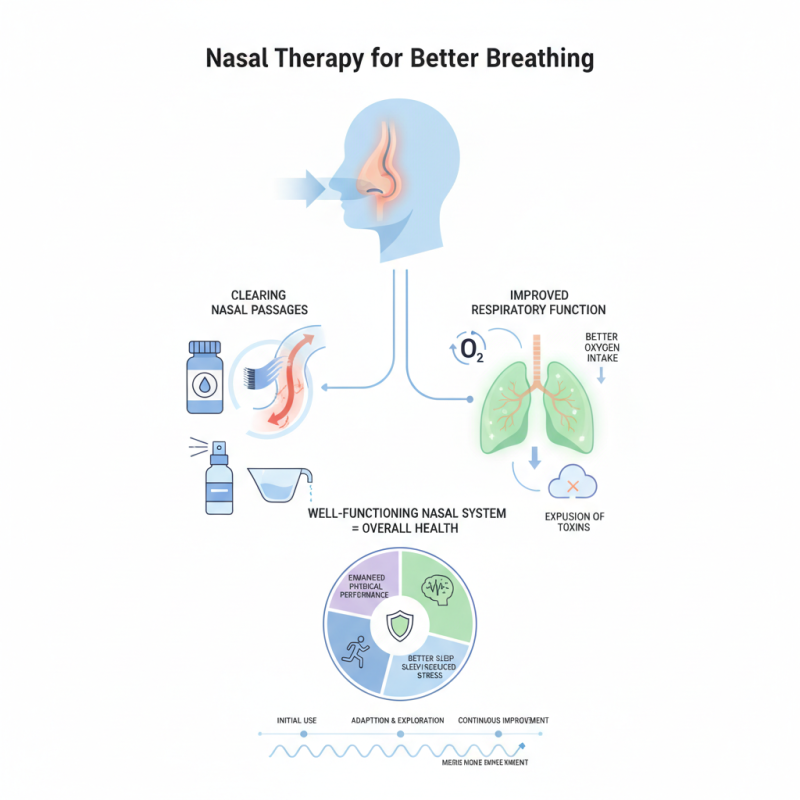
Nasal therapy focuses on improving breathing by addressing nasal obstructions and enhancing airflow. This form of therapy uses techniques to alleviate issues such as allergies, sinusitis, and nasal congestion. According to the American Academy of Otolaryngology, nearly 30 million Americans suffer from chronic sinusitis, resulting in a significant need for effective treatment options.
The purpose of nasal therapy extends beyond just relieving symptoms. It aims to restore proper nasal function, promoting better overall health. Improved nasal breathing can enhance sleep quality and even boost cognitive function. Research indicates that nasal breathing increases nitric oxide production, which supports oxygen uptake. Options within nasal therapy include saline sprays, nasal strips, and guided exercises.
Tips: Consider incorporating daily nasal irrigation to clear out allergens. Breathing exercises can also help improve airflow. Be mindful of your indoor air quality; using HEPA filters can minimize irritants. Regular check-ups with healthcare professionals ensure that your nasal health is monitored adequately. Embracing these strategies may lead to healthier breathing habits over time.
Nasal therapy has gained recognition for enhancing respiratory function. It employs several mechanisms that directly impact the body’s breathing efficiency. A study published in the Journal of Allergy and Clinical Immunology noted that nasal airway resistance can influence airflow dynamics. Lower resistance means improved airflow, leading to easier breathing.
One key aspect of nasal therapy is its ability to humidify and filter the air. When air passes through the nasal passages, it is warmed and moistened, which can prevent airway irritation. A report from the American Journal of Respiratory and Critical Care Medicine highlighted that proper humidity levels can reduce asthma episodes significantly. Interestingly, many people overlook the importance of humidity in their everyday environment.
Research also indicates that nasal therapy can stimulate the olfactory system, which plays a role in respiratory regulation. The interaction between the nasal cavity and the brain can enhance respiratory patterns. A clinical trial found that consistent nasal therapy improved overall lung function in participants. However, there is still a need for deeper research. The ways nasal therapy interacts with individual respiratory issues remain largely unexplored. It sparks curiosity yet highlights the learning curve in fully understanding its benefits.
Nasal therapy offers significant enhancements in respiratory function. It helps clear nasal passages and improves airflow. Better airflow means easier breathing, which can reduce the effort needed during physical activities. For many, nasal congestion can lead to fatigue and decreased performance. By alleviating this congestion, nasal therapy can promote a more active lifestyle.
This type of therapy often includes using saline sprays or humidifiers. Such methods can moisturize the nasal lining, making it easier to breathe. However, not everyone experiences the same benefits. Some individuals may find saline ineffective or may struggle with administration. Understanding one’s unique respiratory needs is essential for maximizing these benefits.
Regular practice can yield different results. Some people notice improvements almost immediately, while others may require time. Listening to your body is key. Monitoring your symptoms can help determine the effectiveness of the therapy. Inconsistent results can lead to frustration, emphasizing the importance of patience and adaptability in finding the right approach.
Nasal therapy includes various methods aimed at improving breathing. The most effective techniques often depend on individual need. A study published in the "American Journal of Respiratory and Critical Care Medicine" found that over 60% of people with nasal congestion experienced relief through therapeutic methods.
One popular method is nasal irrigation, often using saline solutions. This technique helps to clear mucus and allergens, promoting better airflow. A report from the "Journal of Allergy and Clinical Immunology" indicates that regular nasal irrigation can decrease allergy symptoms in up to 40% of participants.
Another effective technique is the use of nasal steroid sprays. These sprays can reduce inflammation in the nasal passages, allowing for easier breathing. However, they must be used as directed. Overuse may lead to side effects, including nasal irritation or dependency.
**Tip:** Experiment with different techniques to see which works best for you. Keep a journal of your symptoms and improvements.
**Tip:** Consult a healthcare professional before starting any nasal therapy. They can provide personalized advice based on your unique health needs. Regular follow-ups can help ensure effectiveness and safety.
Nasal therapy offers promising benefits, but potential risks must be acknowledged. Patients often seek relief from conditions like sinusitis or allergies through various nasal treatments. However, improper use can lead to complications. For instance, a 2020 study published in The Journal of Allergy and Clinical Immunology indicated that overuse of nasal sprays could result in rebound congestion and dependency. This phenomenon can worsen nasal congestion over time.
Furthermore, there is a risk of infection with poorly maintained nasal devices. Research suggests that up to 30% of patients reported sinus infections related to nasal irrigation practices. Proper hygiene is crucial. Clean your equipment after each use to minimize this risk. Those with existing respiratory issues should consult a healthcare professional before starting therapy.
Nasal therapy can provide relief, but it is not without pitfalls. Monitoring usage patterns and maintaining hygiene are essential steps in safe practice. Encourage patients to regularly assess their symptoms and adjust their approach as needed. Being informed leads to better choices and safer outcomes.
: Nasal therapy improves breathing by reducing airway resistance and enhancing airflow dynamics.
It humidifies and filters air, preventing irritation and reducing asthma episodes.
Common methods include nasal irrigation and nasal steroid sprays to relieve congestion and inflammation.
Many find nasal irrigation relieves congestion and decreases allergy symptoms in some participants by about 40%.
Overusing nasal sprays may lead to rebound congestion and dependency, worsening symptoms over time.
Yes, poorly maintained nasal devices can lead to infections; hygiene is essential for safety.
Yes, consulting a healthcare professional ensures that the therapy fits your health needs.
Keep a journal to note symptoms and improvements, helping you identify what works best.
Be mindful of hygiene and observe how your body responds to different methods over time.
Yes, many mechanisms are still unexplored, highlighting the importance of ongoing research in this area.
Nasal therapy encompasses various techniques aimed at enhancing breathing and overall respiratory function. It operates through mechanisms such as improving airflow, reducing nasal congestion, and optimizing the condition of nasal passages. By addressing these factors, nasal therapy effectively improves breathing, resulting in a greater ease of air passage and better oxygen intake.
The benefits of nasal therapy extend to enhanced respiratory function, which can lead to improved sleep quality and increased physical performance. Various methods, including nasal irrigation and breathing exercises, can be employed based on individual needs. However, it is essential to consider potential risks and consult with healthcare providers to ensure safe practices. Ultimately, understanding how nasal therapy improves breathing can empower individuals to adopt beneficial techniques for better respiratory health.

StavroCare Medical