As people age, slower circulation may appear as cold feet, swollen ankles, leg heaviness, or unusual fatigue. These signs deserve attention, especially when they persist or worsen. This guide explores how elderly people can improve blood flow through practical, safer daily habits, including walking, gentle strength training, hydration, balanced meals, and regular medical reviews.
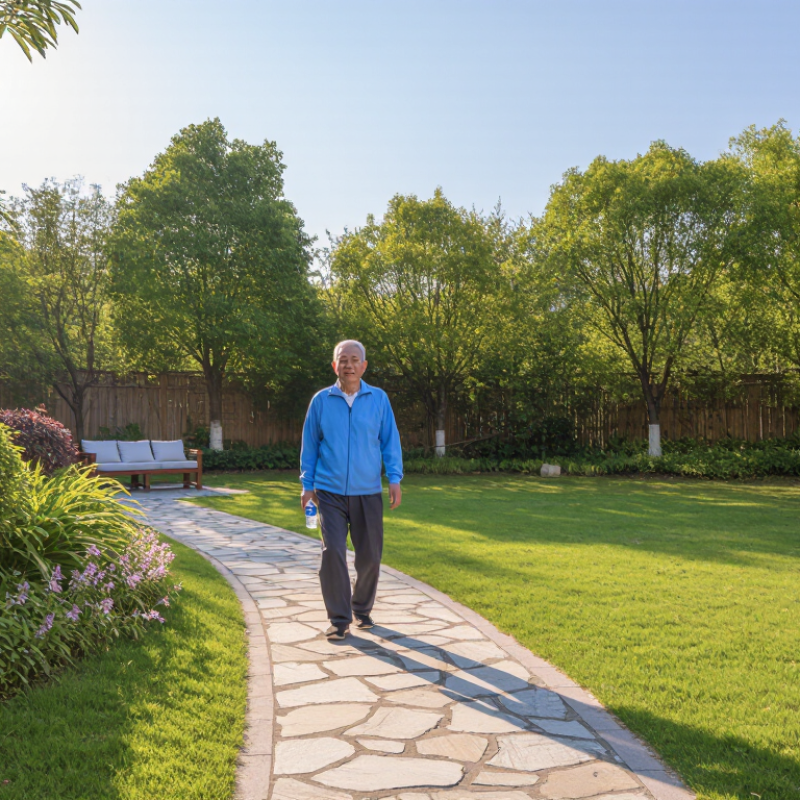
Dr. Nieca Goldberg, a cardiologist and women’s heart-health expert, has often emphasized, “Exercise is the best medicine.” The message is simple, but applying it requires care. A ten-minute walk beside a garden path may be more realistic than an ambitious gym routine. Ankle circles beside a kitchen chair can also encourage movement during long periods of sitting. Small actions matter.
However, no single method works for everyone. That is easy to overlook. People with peripheral artery disease, diabetes, heart failure, or mobility limitations may need professional guidance before changing activity levels. A clinician can review medications, blood pressure, circulation symptoms, and safe exercise intensity. Compression socks may help some people, but they are not automatically suitable for those with certain arterial problems.
The following ten strategies focus on steady, measurable progress rather than quick promises. Notice how your legs feel. Record walking time, swelling, and discomfort. Share changes with a qualified healthcare professional. Improving circulation can take patience, and progress may not look dramatic each day. Even so, safer movement, nutritious food, adequate fluids, and consistent checkups can support healthier aging.
Peripheral artery disease (PAD) deserves attention in older adults. According to the American Heart Association, it affects about one in five adults over 60. PAD develops when narrowed arteries reduce blood flow to the legs. Watch for calf pain while walking, numbness, cold feet, slow-healing sores, or skin color changes. Some people have no obvious symptoms.
Do not dismiss leg pain as normal aging. A clinician can check pulses and perform an ankle-brachial index test. This simple comparison uses blood pressure readings from the ankle and arm. Share your smoking history, diabetes status, and family history. These details guide safer care. A common mistake is exercising through severe pain without medical advice. Gentle, supervised walking may improve circulation. Begin with short walks, rest when pain appears, and increase slowly. Small steps matter.
Daily habits also support healthier blood flow. Move your ankles during long sitting periods. Avoid tobacco and ask about help quitting. Keep blood pressure, blood sugar, and cholesterol within recommended ranges. Wear properly fitting shoes and inspect your feet each evening, especially with diabetes. Do not start aspirin or other medicines without professional guidance. A suddenly cold, pale, or extremely painful leg needs urgent medical attention. I sometimes underestimate how easy it is to ignore a small foot wound. That deserves a second look.
Peripheral artery disease affects about 1 in 5 adults over age 60. These evidence-based health targets can help support circulation and reduce vascular risk.
The chart shows practical daily or weekly targets drawn from established public-health and clinical guidance. The measurements use different units and are not intended for direct comparison. People with PAD symptoms, diabetes, high blood pressure, or heart disease should discuss individualized goals with a healthcare professional.
Improving blood flow can begin with a simple walking plan. WHO recommends 150–300 minutes of moderate activity each week for older adults. Walking at a pace that raises breathing but still allows conversation usually fits this goal. Start gently. Try five to ten minutes after breakfast, then repeat later. Short walks still count.
Add time slowly, perhaps five minutes each week. Increase duration before speed. Choose supportive shoes, warm up with ankle circles, and keep your shoulders relaxed. Let your arms swing naturally. Walking on a flat route may feel safer at first. Later, gentle hills or brief faster intervals can challenge circulation. Avoid sitting for long periods. Stand, stretch, or walk around the room every 30–60 minutes. Hydration also matters, especially in warm weather.
A walking diary can reveal patterns. Record minutes, symptoms, and recovery. Rest is useful. If pain, swelling, unusual breathlessness, dizziness, or chest discomfort appears, stop and seek medical advice. People with diabetes, heart disease, poor balance, or recent surgery should discuss progression with a clinician. Strength and balance exercises twice weekly can support steadier walking, although they do not replace aerobic minutes. The target is flexible, not a test. Some weeks may fall short, and that is worth noticing rather than hiding. Restart with a manageable distance and build again.
For older adults, strength and balance training can support blood flow, mobility, and confidence. The World Health Organization recommends muscle-strengthening activities on at least two days each week. Begin with simple movements that match your current ability. Try chair squats, wall push-ups, heel raises, and light resistance exercises. Perform eight to twelve controlled repetitions, then rest.
Balance practice needs patience.
Stand behind a sturdy chair and lift one foot for a few seconds. You can also walk heel-to-toe beside a wall. Keep the floor clear and wear stable shoes. Never rush. Slow movement often gives better control. If standing feels unsafe, practice while seated or ask a trained professional for guidance.
A weekly routine might include strength exercises on Tuesday and Friday, with gentle walking on other days. Leave recovery time between harder sessions. This matters. Sore muscles are common, but sharp pain, chest discomfort, unusual breathlessness, or dizziness requires stopping and seeking medical advice. People with arthritis, heart conditions, or recent surgery may need individual adjustments. A common mistake is doing too much too soon. Progress can be as small as adding one repetition or standing five seconds longer. It may feel insignificant, but consistency usually matters more than intensity.
For older adults, better blood flow often begins with protecting the vessel lining. Smoking damages blood vessels, raises clotting risk, and reduces oxygen delivery to the legs and brain. Quitting can improve circulation over time, even after many years of smoking. A clinician can suggest counseling, nicotine replacement, or other approved treatments. Do not stop prescribed medicines without medical guidance. Some days may feel difficult. That does not mean the effort has failed.
Heart-healthy eating supports flexible arteries and steadier blood pressure. Build meals around vegetables, beans, oats, fruit, fish, and unsalted nuts. Choose olive or other unsaturated oils instead of butter and fatty processed meats. Reduce salty packaged foods, because excess sodium can encourage fluid retention and higher pressure. A simple plate might include roasted vegetables, lentils, and a small portion of fish. Drink water regularly, unless a healthcare professional has advised fluid limits. Individual needs differ, especially with kidney or heart disease.
Tips: Set a quit date and tell someone supportive. Remove ashtrays from favorite sitting areas. Read food labels for sodium per serving. Add one extra vegetable daily. Walk gently for five minutes, if medically safe, then increase gradually. Stop and seek medical advice for chest pressure, sudden weakness, severe breathlessness, or a cold, pale limb. A realistic plan may need adjustment; tracking cravings, meals, and walking can reveal what actually works.
| No. | Healthy Habit | How It Supports Blood Flow | Practical Target | Safety Considerations for Older Adults |
|---|---|---|---|---|
| 1 | Stop smoking and avoid secondhand smoke | Tobacco smoke damages the inner lining of blood vessels, promotes narrowing and clotting, and reduces oxygen delivery. | Set a quit date and discuss counseling, nicotine replacement, or prescription treatment with a healthcare professional. | Medication choices should be reviewed when there is heart disease, kidney disease, or multiple prescriptions. |
| 2 | Follow a heart-healthy eating pattern | Vegetables, fruits, beans, whole grains, nuts, fish, and unsaturated fats provide fiber and nutrients associated with healthier blood pressure and cholesterol levels. | Make vegetables or fruit about half of the plate and choose minimally processed foods most often. | People with diabetes, swallowing difficulties, or kidney disease may need an individualized meal plan. |
| 3 | Walk or perform regular aerobic activity | Muscle activity helps blood return to the heart and can improve fitness, circulation, and vascular function. | Work gradually toward at least 150 minutes of moderate activity weekly, or an individually suitable amount. | Begin with short sessions and stop for chest pain, severe breathlessness, faintness, or unusual leg pain. |
| 4 | Break up long periods of sitting | Frequent movement activates the calf-muscle pump and helps reduce prolonged pooling of blood in the legs. | Stand, walk, or gently move the ankles every 30–60 minutes while awake. | Use a stable chair, walker, or support if balance is limited. |
| 5 | Control blood pressure | Persistently high blood pressure can injure artery walls and increase the risk of stroke, heart disease, and peripheral artery disease. | Measure blood pressure as advised and take prescribed medicines consistently. | Do not change or stop medication without medical advice; report dizziness or repeated low readings. |
| 6 | Manage blood glucose | High blood glucose over time can damage blood vessels and nerves, increasing the risk of circulation and wound-healing problems. | Follow the agreed glucose-monitoring, nutrition, activity, and medication plan. | Inspect feet regularly and seek care promptly for sores, color changes, numbness, or infection. |
| 7 | Maintain a healthy body weight when appropriate | A suitable weight can reduce strain on the heart and support healthier blood pressure, glucose, and cholesterol levels. | Aim for gradual, sustainable changes rather than rapid weight loss. | Older adults should avoid unplanned weight loss and preserve muscle through adequate protein and strength activity. |
| 8 | Perform strength and balance exercises | Stronger leg muscles improve mobility and the calf-muscle pump, while balance training helps maintain safe daily movement. | Include strengthening activities at least two days per week if medically suitable. | Use supervised or seated exercises when frailty, joint disease, or fall risk is present. |
| 9 | Sleep well and manage stress | Regular sleep and stress management support healthy blood pressure, heart rhythm, activity levels, and long-term vascular health. | Keep a regular sleep schedule and use gentle breathing, relaxation, or social activities to reduce stress. | Discuss persistent insomnia, loud snoring, or daytime sleepiness with a healthcare professional. |
| 10 | Attend medical checkups and review circulation symptoms | Early assessment of high cholesterol, peripheral artery disease, heart problems, or medication effects can help prevent complications. | Keep routine appointments and report recurring calf pain with walking, leg swelling, cold feet, or slow-healing wounds. | Seek urgent care for sudden one-sided weakness, severe chest pain, sudden shortness of breath, or a cold, pale, painful limb. |
Note: Exercise, diet, and medication goals should be personalized by a qualified healthcare professional, especially for people with heart disease, peripheral artery disease, diabetes, kidney disease, or mobility limitations.
Cold feet are not always harmless. Sudden coldness, severe pain, numbness, weakness, or blue, pale, or black skin can signal blocked blood flow. This may be acute limb ischemia, which requires immediate medical assessment. Do not wait. Call emergency services, especially when symptoms affect one side or appear suddenly. Do not massage the limb, apply direct heat, or walk on it. Keep the person comfortable and note when symptoms began. A simple time record can guide treatment.
Facial drooping, speech trouble, vision loss, or one-sided numbness may indicate stroke. The CDC reports about 795,000 strokes occur in the United States each year. The American Heart Association also identifies peripheral artery disease as a major circulation condition affecting millions of adults. These figures make “wait and see” a risky habit. Never drive yourself during suspected stroke symptoms. Emergency teams can begin evaluation sooner.
For longer-term circulation, ask a clinician about walking plans, blood pressure, diabetes, smoking, and cholesterol. Stop and seek advice if walking causes repeated calf pain. Check both feet daily, including between the toes, for wounds or color changes. Wear properly fitting shoes. Elevate swollen legs only after professional guidance, because elevation may worsen some arterial problems. This advice is deliberately cautious, and perhaps imperfect; circulation problems do not always look dramatic. Reliable care starts with noticing change early.
Aim for 150–300 minutes of moderate activity weekly. Walking should raise breathing but still allow conversation. The target is flexible.
Start with five to ten minutes after breakfast. Repeat later if comfortable. Short walks count.
Add about five minutes weekly. Increase duration before speed. Progress can be uneven, and that is normal.
Wear supportive shoes and begin with ankle circles. Keep shoulders relaxed and arms swinging naturally. Flat routes may feel safer.
Stand, stretch, or walk around the room every 30–60 minutes. Set a reminder if needed. Small movements matter.
Stop for pain, swelling, dizziness, unusual breathlessness, or chest discomfort. Seek medical advice promptly. Do not push through warning signs.
Discuss progression with a clinician if you have diabetes, heart disease, poor balance, or recent surgery. Individual limits differ.
Quitting smoking can improve circulation over time. Choose vegetables, beans, oats, fruit, fish, and unsalted nuts. Reduce salty packaged foods.
Try roasted vegetables, lentils, and a small portion of fish. Use unsaturated oil instead of butter. Drink water unless fluids are restricted.
Record walking minutes, symptoms, cravings, meals, and recovery. Patterns may appear. Some weeks fall short, so restart gently instead of hiding it.
How elderly people can improve blood flow starts with understanding personal circulation risks, especially peripheral artery disease, which becomes more common after age 60. A gradual walking routine can support circulation and overall fitness; older adults should build toward 150–300 minutes of moderate activity each week as their abilities allow. Strength and balance exercises on at least two days weekly can also improve mobility, stability, and independence.
Healthy daily habits further protect blood vessels. Quitting smoking, choosing a heart-conscious eating pattern, staying hydrated, and managing conditions such as diabetes, high blood pressure, and high cholesterol may all support better circulation. Exercise should increase slowly, with rest when needed. Seek urgent medical attention if a limb suddenly becomes cold, painful, numb, unusually weak, or changes color, as these signs may indicate a serious circulation problem. Always discuss a new exercise plan with a healthcare professional, particularly when existing medical conditions or mobility limitations are present.

StavroCare Medical