Understanding how health assessment systems work in clinics is vital for optimizing patient care. These systems are designed to collect comprehensive health information. In busy clinical settings, efficiency and accuracy are key.
Clinics utilize various tools, like electronic health records and diagnostic software, to streamline assessments. Care providers input data from patient interviews and physical exams. However, challenges often arise due to incomplete data or patient noncompliance. This can lead to gaps in understanding a patient's health status.
Moreover, while systems aim to enhance care quality, they aren't flawless. Miscommunication can occur between staff members and systems. Regular training and updates are necessary to minimize errors. Acknowledging these limitations allows clinics to better adapt their methodologies. Overall, a deeper look into how health assessment systems work can illuminate opportunities for improvement in clinical practice.
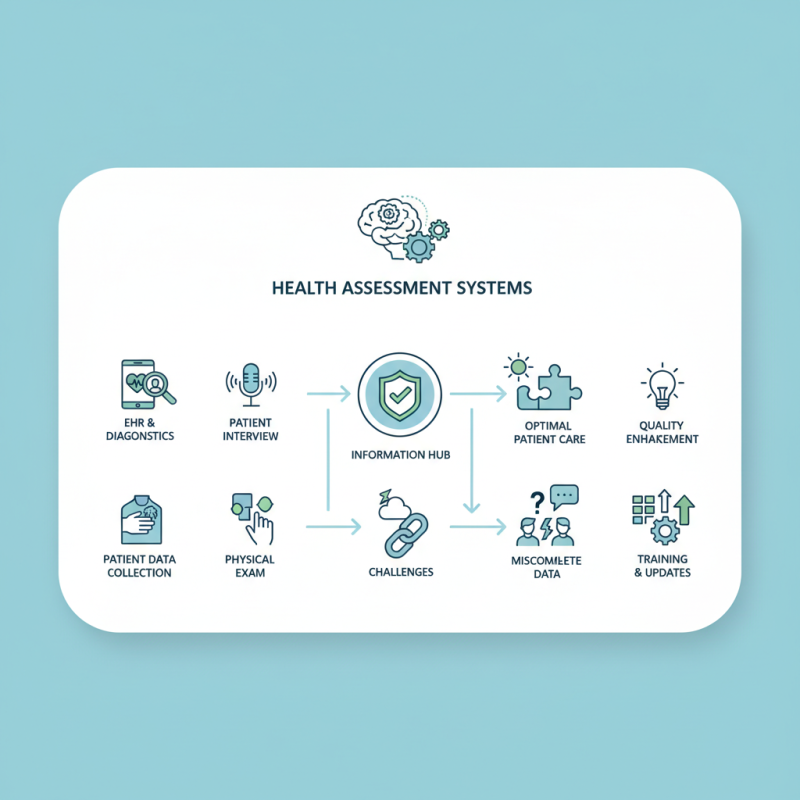
Health assessment systems play a crucial role in clinics. They improve patient outcomes by providing a structured way to evaluate health status. According to the World Health Organization, regular assessments can lead to a 30% reduction in hospital admissions. These systems typically include physical exams, lab tests, and patient history reviews. Data collected help create personalized care plans.
Clinics utilize different methods to gather information effectively. Electronic Health Records (EHRs) streamline data collection and enhance communication between healthcare providers. In the U.S., around 96% of hospitals have adopted some form of EHR system. This change has improved the accuracy of health assessments, though it often faces challenges. For example, data entry errors can still occur, sometimes compromising patient information.
Tips: Regular staff training can mitigate these errors. Engage patients in their assessments for better accuracy. Ensure that systems are updated to reflect the latest clinical guidelines. The push for better technology in health assessments continues. Despite advancements, further research is needed to address inconsistencies in practices. Health assessments must evolve, reflecting current needs and challenges in clinical settings.
Health assessment systems in clinics play a crucial role in patient care. These systems involve various components that ensure comprehensive evaluations. One key component is patient history. Gathering detailed medical histories helps clinicians understand individual needs. Accurate data leads to better diagnosis and treatment plans.
Another essential aspect is the physical examination. This step allows healthcare providers to observe symptoms firsthand. Skilled clinicians can identify issues not detailed in patient records. Tests and screenings are also vital. Blood tests, imaging, and other diagnostics provide deeper insights into health conditions.
However, challenges do exist. Data collection can be inconsistent. Some patients may not provide complete histories. There can be communication barriers between staff and patients. Each of these factors can affect the assessment's reliability. Reflection on these challenges is necessary for improving health assessment systems in clinics.
Health assessments in clinics are structured processes that aim to evaluate patients' overall well-being. Clinicians often begin with a thorough review of the patient’s medical history. This includes previous illnesses, surgeries, and current medications. Understanding this context helps providers identify potential health issues.
Next, physical exams are conducted. Clinicians check vital signs like blood pressure and heart rate. They may also assess specific areas, such as the heart or lungs, depending on the patient's concerns. Each step is vital in forming a comprehensive picture of health. However, the accuracy of assessments can vary. Patient cooperation plays a significant role. Sometimes, patients may forget to disclose important details. This can lead to missed diagnoses.
After these assessments, clinicians may request lab tests. Results provide insight into conditions not visible during a physical exam. These tests add another layer of understanding. Yet, interpreting results can be challenging. Each result must be considered alongside the patient’s overall clinical picture. Misinterpretations can occur if results are viewed in isolation. Continuous reflection on the assessment process is crucial for improvement. It ensures that health assessments lead to effective patient care.
In healthcare, assessment data plays a crucial role in delivering effective patient care. Clinics utilize various tools to gather health assessment information. For instance, surveys, physical exams, and lab tests provide valuable insights into a patient's health status. According to the National Institutes of Health, engaging patients in their assessments can lead to a 20% increase in treatment adherence.
Interpreting this data requires competence and understanding. Clinicians must evaluate results contextually. A simple blood pressure reading may indicate normalcy but can reveal underlying issues if accompanied by other data. A study from the American Medical Association found that over 60% of patients experience discrepancies in their treatment due to misunderstanding assessment results. Therefore, healthcare professionals must communicate findings clearly.
Utilizing this data effectively enables personalized care. Each patient presents unique challenges and needs. A comprehensive health assessment can guide intervention strategies. The Centers for Disease Control and Prevention recommends ongoing training for providers to enhance data interpretation skills. Without proper training, misinterpretations can lead to inadequate care. The ongoing evaluation of health assessment systems is vital to improving clinical outcomes. This reflects the overall goal of enhancing patient health through data-informed decisions.
Health assessment systems in clinics face numerous challenges. One major issue is data integration. Clinics often use various systems for electronic health records (EHRs). This creates inconsistencies. Patients may not receive a complete picture of their health.
In addition, training staff on new technologies is essential yet often overlooked. Many healthcare workers feel overwhelmed by the complexity of data entry and analysis. Innovations, like telehealth and wearable devices, offer potential solutions. They can provide real-time information about a patient's health. However, these innovations also bring about privacy concerns. Patients may hesitate to share personal data.
Furthermore, the systems need to be user-friendly. Complicated interfaces deter both patients and medical staff. Continuous feedback from users is crucial to improve usability. Regular updates and patient education can bridge the gap between innovation and practical application in the clinic.
| Assessment Type | Technology Used | Challenges Faced | Innovations Implemented |
|---|---|---|---|
| Patient Health Surveys | Online Platforms | Low Patient Engagement | Gamification of Surveys |
| Chronic Disease Monitoring | Wearable Devices | Data Integration Issues | AI Data Analysis Tools |
| Mental Health Evaluations | Telehealth Applications | Stigma and Privacy Concerns | Anonymous Chatbots |
| Preventive Health Screenings | Mobile Health Apps | Access to Technology | Community Health Programs |
: They evaluate health status, leading to improved patient outcomes and reduced hospital admissions.
Clinics use methods like electronic health records, surveys, physical exams, and lab tests to collect data effectively.
Inconsistencies, incomplete patient histories, and communication barriers can affect the reliability of assessments.
Detailed medical histories help clinicians understand individual needs, leading to better diagnoses and treatment plans.
Regular training can reduce data entry errors and enhance communication, improving the overall accuracy of assessments.
They must evaluate results in context, as simple readings may hide underlying issues, impacting patient care.
Engaging patients can lead to a 20% increase in treatment adherence, improving overall health outcomes.
Misinterpretations can lead to inadequate care and discrepancies in treatment, affecting patient recovery.
They must adapt to current clinical needs and challenges, reflecting ongoing research and technological advancements.
The aim is to provide personalized care that addresses unique patient challenges and improves clinical outcomes.
Health assessment systems in clinics are integral for evaluating patient health and formulating effective treatment plans. These systems operate through a series of key components, including standardized assessment tools, patient history evaluations, and health screenings. Understanding how health assessment systems work in clinics involves recognizing the structured processes used to conduct these assessments, which include gathering information, analyzing clinical data, and making informed decisions based on the outcomes.
The interpretation and utilization of assessment data play a crucial role in enhancing patient care. Healthcare professionals leverage this data to identify health trends, design personalized treatment protocols, and monitor patient progress over time. Despite the benefits, challenges such as data accuracy, integration with electronic health records, and resource limitations persist. However, ongoing innovations in technology and methodologies are paving the way for more efficient and effective clinic-based health assessments, promising better health outcomes for patients.

StavroCare Medical