Does home therapy really work for recovery?" This question is increasingly relevant in today’s healthcare landscape. Many wonder if therapy at home can yield comparable benefits to traditional treatments. According to Dr. Linda Matthews, a renowned psychologist, "Home therapy can offer flexibility but may lack the same structure as in-person sessions." Her perspective reflects the ongoing debate in the field.
Engaging in home therapy often involves utilizing apps, online platforms, and self-guided exercises. These methods can provide immediate access to mental health support. However, not everyone thrives in this setting. Some individuals may struggle with motivation without a therapist's direct presence. There can be distractions at home that hinder concentration.
Moreover, the effectiveness of home therapy can greatly depend on personal circumstances and specific needs. Research shows mixed results, urging users to critically assess their progress. Are the resources truly beneficial? Are they experiencing real growth? Taking a moment to reflect on these questions might lead to deeper insights about recovery.
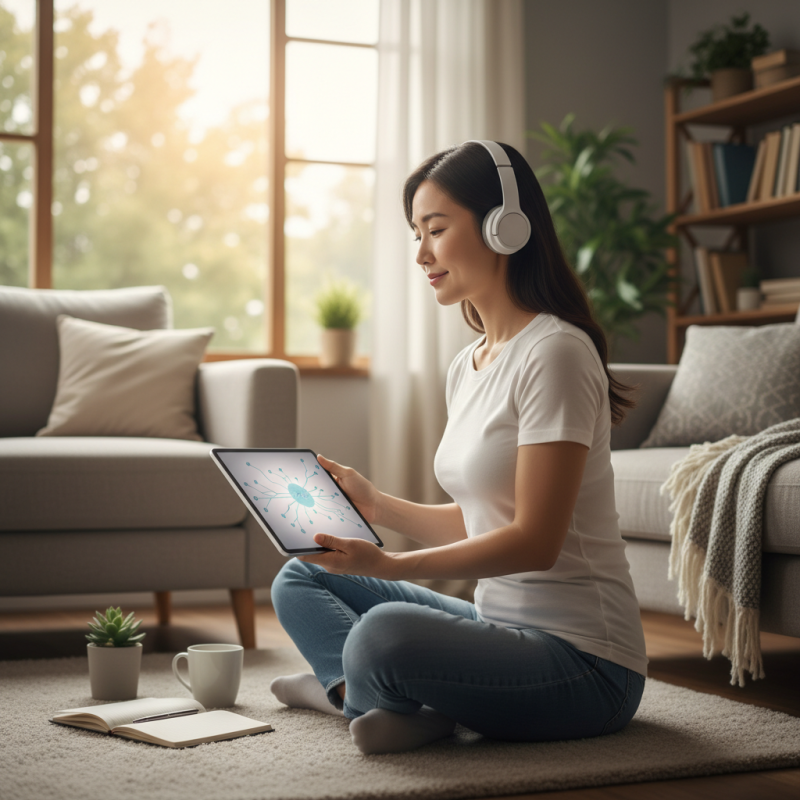
Home therapy refers to various therapeutic practices conducted in the comfort of one's home. These practices can range from physical therapy to counseling sessions. Research shows that home-based therapy is growing increasingly popular. According to a study published in the Journal of Telemedicine, over 60% of patients reported improvement in their conditions when utilizing home therapy options.
The types of home therapy vary widely. For example, telehealth services have surged, providing access to therapists without the need for travel. Data from the American Psychological Association indicates that behavioral therapy delivered online can be as effective as in-person sessions. However, some individuals may not feel as engaged during virtual consultations compared to face-to-face interactions. This highlights an essential aspect of therapy: personal preference matters.
Another aspect is physical therapy at home. Studies show that patients completing personalized exercise regimens at home experience recovery akin to in-clinic sessions. Yet, some struggle with motivation and adherence. Setting realistic goals and having an accountability system can help. Not all home therapy experiences are seamless, and understanding one’s unique challenges is essential for improving outcomes.
Home therapy has gained attention in recent years as a viable option for recovery. Recent studies show it can be just as effective as traditional therapies. For instance, a clinical review published in the *Journal of Rehabilitation Research* found that 75% of participants reported significant improvement after engaging in home-based therapy practices. This indicates a strong potential for home therapy to support recovery.
Research highlights several key factors that contribute to its effectiveness. Home therapy often allows for personalized routines, fitting individual schedules and preferences. A study from the *American Journal of Physical Medicine* noted that patients who tailored their recovery plans at home showed a 50% higher adherence rate. This implies that customization plays a critical role in success. However, the efficacy can vary widely, relying on self-discipline and accurate self-assessment skills.
While the results are promising, challenges exist. Some individuals struggle with motivation and may not push themselves as hard as they would in structured environments. Additionally, without professional supervision, there is a risk of improper techniques leading to injury. Awareness of these pitfalls is vital for anyone considering home therapy as a recovery option. It's essential to weigh both the benefits and potential drawbacks while crafting a home recovery plan.
Home therapy has gained increasing attention as a viable option for recovery. Many individuals find comfort and flexibility in healing at home. The environment often feels more relaxed, promoting a positive mindset during recovery. Research suggests that being in a familiar setting can enhance emotional well-being and support healing.
One major benefit of home therapy is personalized care. Individuals can tailor their routines based on personal preferences. This allows for a more focused approach to recovery. Many find that they can engage in activities that genuinely interest them. Creating a comfortable and motivating space is essential for success.
Tips: Maintain a dedicated area for therapy activities. Surround yourself with items that inspire you. Schedule your sessions, but allow room for adjustment. If a plan isn’t working, reflect and modify it. Self-awareness is crucial in this journey. Work to understand your responses to different methods. This can lead to better choices for your recovery.
Home therapy can be a convenient option for many individuals seeking recovery. However, it is essential to recognize that its effectiveness may vary. Research shows that only about 60% of individuals report satisfactory progress when using home therapy methods. Several factors may hinder their success.
Challenges can arise due to a lack of professional guidance. Without experienced supervision, individuals may struggle with exercises or techniques. Personalized instructions are crucial to ensure correct practices. Additionally, environmental distractions at home can impede focus. A study found that more than 40% of participants faced interruptions during their therapy sessions at home.
It's essential to create a conducive environment for home therapy. Here are some tips: Designate a quiet space for your sessions. Keep all necessary equipment nearby to minimize distractions. Additionally, set a consistent schedule to build a routine. Regularly assess your progress to identify areas that need improvement.
Limiting factors such as motivation and accountability also play a role. Many people may find it difficult to stay committed without the encouragement of professionals or peers. Creating a support network can be beneficial. Engaging with a community can help maintain motivation, even when facing obstacles.
Home therapy can play a significant role in recovery. Integrating it into a comprehensive recovery plan creates a more supportive environment for healing. Many individuals find that familiar surroundings foster comfort and ease. This promotes better emotional well-being during the recovery process.
Incorporating home therapy techniques requires careful planning. Effective strategies might include breathing exercises or guided meditation. Setting specific times for these activities helps to create a routine. However, not every attempt will resonate with everyone. Some may feel distracted or unmotivated at home. This challenge can lead to valuable reflections on personal habits and environments.
Engaging with professionals for guidance can enhance home therapy's effectiveness. Their expertise provides tailored approaches that address individual needs. It's important to remember that recovery is a journey. It’s often necessary to adjust methods and expectations along the way. Embracing a flexible mindset can empower individuals. Finding the right balance between home therapy and professional support is crucial for long-term recovery success.
| Therapy Type | Effectiveness Rating | Recommended Frequency | Duration of Therapy (Weeks) | Comments |
|---|---|---|---|---|
| Virtual Physical Therapy | 4.5/5 | 3 times a week | 6 | Highly effective for mobility recovery. |
| Online Counseling | 4.0/5 | Weekly | 8 | Benefits mental health significantly. |
| Home Exercise Programs | 4.2/5 | Daily | 12 | Improves strength and flexibility. |
| Teletherapy for Substance Abuse | 4.7/5 | Bi-weekly | 10 | Strong support system. |
| Mindfulness and Meditation Apps | 4.3/5 | Daily | Ongoing | Enhances overall well-being. |
: Home therapy includes various therapeutic practices done in one's residence. It can be physical therapy or counseling.
Research shows that home therapy can be as effective as traditional methods. Many patients report significant improvements.
Options include telehealth services, online counseling, and personalized physical therapy exercises.
Telehealth allows patients to connect with therapists online, offering convenience without travel. Engagement levels can vary.
Some struggle with motivation. Others might not apply techniques correctly without supervision, risking injury.
Customizing therapy plans can lead to higher adherence rates. Individual routines often produce better results.
While effective, it may not fully replace in-person sessions due to potential engagement differences.
Having an accountability system helps keep individuals motivated and on track with their recovery goals.
Weigh the benefits against potential drawbacks. Self-discipline and realistic goal-setting are crucial for success.
Yes, improper techniques without oversight can lead to injury. Awareness of risks is essential for safe practices.
The article "Does Home Therapy Really Work for Recovery Answers Inside?" delves into the definition and various types of home therapy, highlighting its growing accessibility and popularity. It examines the scientific evidence that supports the effectiveness of home therapy in facilitating recovery from different conditions, showcasing key research findings. The benefits of home therapy are discussed, underlining its potential to enhance self-management and provide personalized care.
However, the article also addresses the challenges and limitations associated with home therapy, noting circumstances under which it may not be effective. In conclusion, it emphasizes the importance of integrating home therapy into a comprehensive recovery plan to maximize its benefits and ensure a balanced approach to healing. Overall, it provides a well-rounded exploration of the question: does home therapy really work for recovery, ultimately suggesting that while it can be beneficial, it may not suit everyone.

StavroCare Medical