How to Recognize the Signs of Bad Circulation?

Time:2026-10-15 Author:Isabella
0%

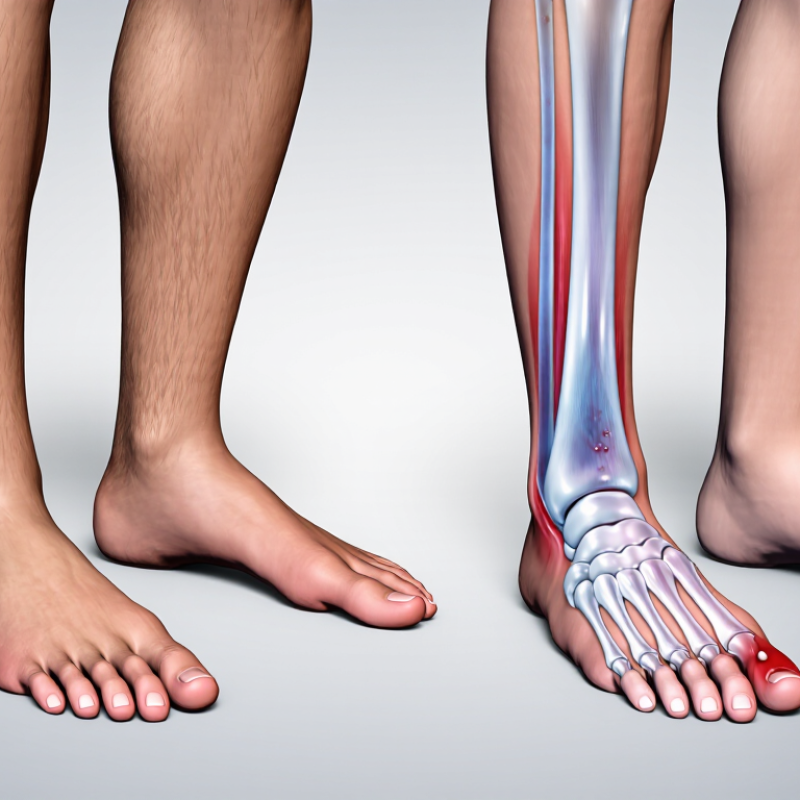
Many people notice circulation changes gradually. A foot may feel colder than the other, while toes look unusually pale, bluish, or reddish. Some people experience numbness, tingling, swelling, or aching after walking. These details can seem minor, but patterns matter.

So, what are the signs of bad circulation? They may include leg cramps that improve after resting, slow-healing cuts, shiny skin, reduced hair growth, or weak pulses near the ankle. However, one cold foot does not automatically mean poor blood flow. Anxiety, nerve problems, diabetes, medication effects, and simple exposure to cold can create similar sensations. That uncertainty deserves attention.

Dr. Aaron Aday, a cardiologist and peripheral artery disease researcher, has stated, “PAD is common, yet it remains underdiagnosed and undertreated.” His warning matters because circulation problems may develop quietly before pain becomes obvious. A small sore on the toe can become a serious concern when healing takes weeks instead of days. That is not something to dismiss.

This guide will explain visible and physical warning signs, common risk factors, and situations requiring medical assessment. Sudden coldness, severe pain, numbness, or color loss in one limb needs urgent care. Do not diagnose yourself from a checklist. A clinician may compare blood pressure in both arms and ankles, examine pulses, and order further testing when appropriate. Even this overview has limits, and that is worth admitting. Symptoms vary between people, especially older adults and those with diabetes.
How to Recognize the Signs of Bad Circulation?

Defining Poor Circulation: Normal Blood Flow Versus Peripheral Vascular Disease

How to Recognize the Signs of Bad Circulation?

Normal blood flow delivers oxygen through healthy arteries and returns blood through veins. Your feet should usually feel warm, retain normal color, and have detectable pulses. Small cuts should also heal within a reasonable time. The distinction is not always obvious. A cold room can mimic a warning sign.

Peripheral vascular disease, especially peripheral artery disease (PAD), develops when narrowed arteries reduce blood supply to the limbs. The legs may ache during walking and improve after rest. Other signs include numbness, shiny skin, weak pulses, slow-growing toenails, or wounds that heal poorly. The Centers for Disease Control and Prevention estimated that about 6.5 million U.S. adults aged 40 or older had PAD in 2019. A global analysis published in The Lancet Global Health estimated more than 236 million adults lived with PAD in 2015. Many people have no clear symptoms, which makes medical assessment important.

Tips: Compare both feet in similar conditions. Notice changes in color, temperature, walking distance, and wound healing. Do not diagnose yourself from one symptom. A clinician can check pulses and perform an ankle-brachial index test. Seek prompt care for sudden severe pain, a pale or blue limb, or a cold foot. I would not dismiss persistent symptoms as “just aging”; that assumption can delay useful treatment.

Recognizing Early Signs: Coldness, Numbness, Color Changes, and Weak Pulses

How to Recognize the Signs of Bad Circulation?

Cold hands or feet can be an early warning sign, especially when they stay cold indoors. One chilly fingertip may mean little. Persistent coldness deserves attention. Numbness, tingling, or a “pins and needles” feeling may also suggest reduced blood flow. These sensations can appear after sitting still, but they should not be ignored when they recur without a clear reason.

Look closely at color changes. Skin may appear unusually pale, bluish, gray, or reddish compared with the other side. Pressing the skin briefly can offer a rough clue: healthy color often returns quickly, although this simple check is not a diagnosis. A weak or difficult-to-feel pulse near the wrist or ankle is more concerning. Compare both sides gently, without pressing hard. Do not rely on guesswork alone.

Patterns matter more than one isolated symptom. Coldness and numbness after exposure to cold may have a different cause than symptoms during walking. A healthcare professional can check pulses, skin temperature, sensation, and blood pressure, then investigate possible causes. Seek prompt medical care if a limb becomes suddenly cold, pale, painful, or weak. That combination can signal an urgent problem. It is easy to blame poor circulation too quickly, and that assumption can delay the right evaluation.

Identifying Peripheral Artery Disease: Claudication and an ABI ≤0.90

Poor circulation in the legs can appear during ordinary activities, such as walking uphill or carrying groceries. A classic sign of peripheral artery disease is intermittent claudication. It causes aching, cramping, or tightness in the calf, thigh, or buttock. The discomfort often begins after a predictable walking distance and improves within minutes of resting.

This pattern matters. It is easy to blame leg pain on aging, joints, or poor fitness. That assumption can be wrong. In routine vascular assessment, clinicians check leg pulses, skin temperature, color, and wound healing. They may also measure the ankle-brachial index, or ABI. This noninvasive test compares blood pressure at the ankle with pressure in the arm. An ABI of 0.90 or lower supports a diagnosis of peripheral artery disease. Lower readings generally indicate more severe blood-flow limitation.

Still, ABI has limitations. Artery calcification can produce a falsely high result, especially in people with diabetes or kidney disease. Persistent symptoms may require a toe-brachial index, Doppler ultrasound, or other testing. Rest pain, a nonhealing foot wound, sudden coldness, or a pale or blue limb needs prompt medical evaluation. Even mild claudication deserves attention, because it can reflect wider cardiovascular risk. Recording when pain starts, where it occurs, and how quickly it stops can help a clinician judge the pattern.

Assessing Wounds and Swelling: Delayed Healing and One-Sided Leg Changes

Poor circulation may appear in a wound before pain becomes severe. A small cut may remain open, leak clear fluid, or develop a dark, dry edge. Healing can stall for days or weeks. The skin may feel cooler than the other foot and look pale, bluish, or unusually shiny. Compare both legs in the same light. This simple check can reveal changes that a quick glance misses.

Swelling needs context. Venous problems often cause ankle swelling, tight skin, heaviness, and discoloration after standing. A wound near the inner ankle may ooze slowly and heal poorly. Sudden swelling in one leg is different. Warmth, redness, tenderness, or calf pain may signal a clot and requires prompt medical assessment. Chest pain, faintness, or new breathlessness needs emergency help.

A clinician may check pulses, skin temperature, capillary refill, sensation, and wound depth. They may review diabetes, smoking, reduced mobility, previous clots, and medicines. Do not massage a swollen calf or use tight compression without professional advice. Keep the wound clean and covered, while avoiding harsh antiseptics. A common mistake is waiting because the wound looks too small to matter. That judgment can be misleading. Spreading redness, worsening drainage, fever, or increasing pain warrants prompt care, even when reduced sensation hides discomfort.

How to Recognize Signs of Bad Circulation

Delayed wound healing, persistent swelling, skin color changes, or a noticeable difference between the legs can require medical assessment. The chart shows commonly used clinical reference points: an ankle-brachial index (ABI) of 0.90 or lower may indicate peripheral arterial disease, capillary refill longer than 2 seconds may be delayed, and a calf-size difference of 3 cm or more is a warning sign used in deep-vein thrombosis assessment.

These values are screening references rather than a diagnosis. Sudden one-sided swelling, pain, warmth, chest pain, or shortness of breath requires urgent medical attention.

Prioritizing Urgent Symptoms: Sudden Pain, Chest Pain, or Breathing Difficulty

How to Recognize the Signs of Bad Circulation?

Poor circulation can develop slowly, but dangerous symptoms may appear without warning. A leg that suddenly becomes painful, pale, cold, or numb needs urgent medical attention. One-sided swelling, warmth, and tenderness may also indicate a serious blood clot. Do not massage the area or wait for it to improve. Contact emergency services, especially when symptoms intensify within minutes.

Chest pain is another critical warning sign. It may feel like pressure, squeezing, burning, or heaviness behind the breastbone. Pain can spread to the arm, back, neck, or jaw. Breathing difficulty, cold sweating, dizziness, or unusual weakness makes the situation more urgent. Call emergency services immediately. Do not drive yourself. Even mild symptoms can become dangerous quickly.

A common mistake is blaming shortness of breath on stress or poor fitness. That assumption can delay care. Clinicians may check pulses, skin temperature, blood pressure, oxygen levels, and circulation in each limb. Persistent leg cramps during walking, slow-healing sores, shiny skin, or repeated numbness also deserve a medical appointment. Not every cold foot signals an emergency, but sudden change matters. Describe when the symptom began, what it feels like, and whether one side looks different. Small details can guide faster decisions.

How to Recognize the Signs of Bad Circulation? - Prioritizing Urgent Symptoms: Sudden Pain, Chest Pain, or Breathing Difficulty
Symptom or Sign What It May Indicate Typical Pattern Urgency Level Recommended Action
Sudden severe pain, coldness, numbness, or weakness in an arm or leg A possible sudden reduction or blockage of blood flow to the limb Symptoms may begin abruptly and may occur with pale, bluish, or unusually cool skin Emergency Seek emergency medical care immediately. Do not wait for the symptoms to resolve.
Chest pain, pressure, tightness, or heaviness A potentially serious heart or blood-vessel problem May spread to the arm, shoulder, back, neck, or jaw and may occur with sweating or nausea Emergency Call local emergency services immediately, especially if the pain is new, severe, persistent, or worsening.
Breathing difficulty, sudden shortness of breath, or coughing with blood A possible serious heart or lung circulation problem May occur suddenly, with chest discomfort, rapid heartbeat, dizziness, or fainting Emergency Call local emergency services. Sit upright, avoid exertion, and do not drive yourself for emergency evaluation.
Sudden facial drooping, one-sided weakness, speech difficulty, or confusion A possible stroke caused by interrupted blood flow to the brain Symptoms usually appear suddenly and may include vision or balance problems Emergency Call local emergency services immediately and note the time the symptoms started.
One-sided leg swelling, warmth, tenderness, or redness A possible deep vein thrombosis, particularly after prolonged immobility, surgery, or travel Usually affects one leg rather than both; shortness of breath or chest pain raises the urgency Prompt medical assessment Arrange urgent medical evaluation. If breathing difficulty or chest pain develops, seek emergency care immediately.
Leg pain or cramping during walking that improves with rest Possible peripheral artery disease or reduced arterial blood flow Often occurs repeatedly after a similar amount of walking and improves after resting Medical appointment Schedule a clinical assessment, especially if symptoms are recurring or limiting activity.
Foot or leg wounds that heal slowly, or skin that becomes shiny and thin Possible reduced circulation, diabetes-related complications, or another vascular condition May be accompanied by reduced hair growth, color changes, numbness, or recurrent sores Prompt medical assessment Arrange medical evaluation. Seek faster care for spreading redness, drainage, fever, severe pain, or blackened tissue.
Persistent cold hands or feet with color changes May be related to reduced blood flow, blood-vessel spasm, nerve problems, or environmental exposure Fingers or toes may turn white, blue, or red and may feel numb or painful Medical appointment Discuss persistent or recurrent symptoms with a healthcare professional, particularly when they occur on one side.
Swelling in both ankles or legs May be associated with prolonged standing, medication effects, vein problems, or heart, kidney, or liver conditions Often worsens later in the day; sudden worsening or breathlessness is more concerning Medical appointment Arrange an assessment if swelling persists, recurs, or is unexplained. Seek emergency care if accompanied by chest pain or breathing difficulty.
Heaviness, aching, itching, or visible enlarged veins in the legs Possible chronic venous insufficiency or varicose-vein-related changes Symptoms may worsen after prolonged standing and improve when the legs are elevated Non-emergency assessment Discuss ongoing symptoms with a healthcare professional, particularly if skin changes or ulcers develop.
Important: Circulation symptoms can have many causes. Sudden chest pain, breathing difficulty, fainting, stroke-like symptoms, or sudden severe pain and coldness in a limb require immediate emergency medical attention.

FAQS

What does normal circulation usually look like?

Feet are generally warm, normally colored, and have detectable pulses. Small cuts should heal within a reasonable time. A cold room can confuse the picture.

Which symptoms may suggest reduced blood flow?

Persistent coldness, numbness, tingling, pale skin, bluish color, or weak pulses may be warning signs. Shiny skin and slow-growing toenails can also appear.

Can leg pain during walking indicate a circulation problem?

Yes. Pain or aching that starts while walking and improves after resting may reflect reduced arterial blood flow. Track your walking distance.

How can I compare circulation between both sides?

Compare both feet in similar conditions. Notice differences in temperature, color, sensation, pulse strength, and wound healing. Do not press hard.

Is a cold foot always an emergency?

No. One chilly toe may result from the environment. Sudden coldness with severe pain, paleness, numbness, or weakness needs urgent medical care.

When should a slow-healing wound be checked?

Arrange a medical assessment when a cut remains open, heals slowly, or keeps returning. Do not assume it is merely aging.

What symptoms require emergency help?

Sudden severe limb pain, a pale or blue limb, or a cold, weak limb requires immediate attention. Do not wait. Do not massage it.

Could chest discomfort be related to circulation?

Chest pressure, squeezing, burning, or heaviness may be serious. Breathing difficulty, sweating, dizziness, or unusual weakness increases concern. Contact emergency services immediately.

Conclusion

Poor circulation occurs when blood does not move efficiently through the body, sometimes because of narrowed or blocked peripheral arteries. Common warning signs include unusually cold hands or feet, numbness or tingling, pale, bluish, or reddish skin, and weak pulses. People with peripheral artery disease may develop claudication—pain, cramping, or heaviness in the legs during walking that improves with rest. An ankle-brachial index (ABI) of 0.90 or lower can support this diagnosis and should be evaluated by a healthcare professional.

Other concerning changes include cuts or sores that heal slowly, recurring wounds on the feet or legs, and swelling or a noticeable difference between one leg and the other. If you are wondering, “what are the signs of bad circulation,” these symptoms are important clues, but they can have several causes. Seek urgent medical help for sudden severe pain, a cold or pale limb, chest pain, or difficulty breathing, as these may indicate a serious emergency.

Isabella

Isabella

Isabella is a dedicated marketing professional with a sharp focus on driving brand growth and engagement through strategic content creation. With an extensive background in digital marketing, she combines her passion for storytelling with her keen understanding of industry trends to deliver......