Fatigue can be an overwhelming presence in our daily lives. Many people seek ways to combat this persistent tiredness. One area of interest is circulation. The question arises: can improving circulation reduce fatigue?
Research suggests a strong connection between blood flow and energy levels. Better circulation helps deliver oxygen and nutrients to the muscles and organs. This can enhance overall vitality. Sometimes, simple changes, like regular exercise or massages, can make a significant difference.
However, the relationship isn't always straightforward. Some individuals may find minimal improvements despite increasing their circulation. Others might feel better but still struggle with fatigue. It’s essential to approach this issue holistically. Understanding your body’s unique needs is vital in determining effective strategies to manage fatigue.
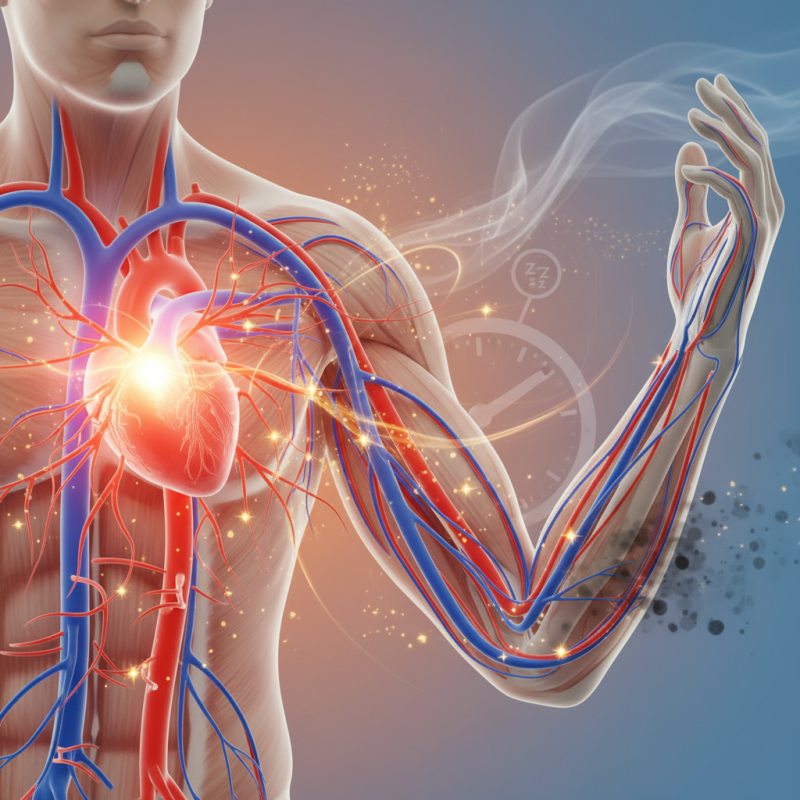
Circulation plays a crucial role in maintaining overall health. It ensures that oxygen and nutrients reach every part of the body. When blood flows freely, organs function optimally. Poor circulation can lead to fatigue. Without adequate blood flow, muscles and tissues become deprived of essential elements. This lack can drain energy levels.
Many factors can affect circulation, such as sedentary lifestyles and unhealthy diets. Regular physical activity can improve blood flow. Even simple activities like walking can make a difference. Stretching helps maintain good circulation. Eating a balanced diet adds vital nutrients to support vascular health. However, many people find it challenging to make these changes consistently.
Reflecting on our daily habits is essential. Are we sitting too much? Are our food choices enhancing or hindering our circulation? Small changes can have significant impacts. Just turning a daily walk into a routine can boost circulation and decrease fatigue. Understanding how our bodies work is the first step towards improvement. Emphasizing circulation can lead to a more vibrant and energetic life.
Circulation plays a crucial role in maintaining our energy levels. Blood carries oxygen and nutrients to our muscles and organs. When circulation is poor, fatigue often sets in. This can make daily tasks feel overwhelming. We may struggle to concentrate or feel sluggish throughout the day.
Improving circulation can be achieved through simple lifestyle changes. Regular physical activity, even a brisk walk, can enhance blood flow. Stretching for a few minutes can also make a difference. Hydration is vital too; water helps blood pump effectively. Incorporating foods rich in omega-3 and antioxidants may provide additional support.
However, not every strategy may work for everyone. Individual responses to changes vary. Some may find relief, while others face persistent fatigue. It’s important to reflect on what methods resonate with your body. Monitoring your personal reactions over time can guide you to the best practices for your health. A holistic approach, adapting based on your unique needs, often yields the most sustainable results.
This chart illustrates the relationship between improved circulation and levels of daily fatigue among adults. The data suggests that as circulation improves through activities such as exercise and healthy habits, reported fatigue levels decrease significantly.
Improving circulation can lead to reduced fatigue in daily life. There are several practical methods to enhance blood flow. Engaging in regular physical activity is crucial. Activities such as walking, cycling, or swimming can help stimulate circulation. Even a brisk 10-minute walk can make a difference. Stretching exercises also promote better blood flow. They relax your muscles and improve flexibility.
Incorporating certain foods into your diet can support circulation. Leafy greens, berries, and nuts are excellent choices. They contain nutrients that help blood vessels remain healthy. Staying hydrated is equally important. Water aids in maintaining blood volume and proper circulation. Skipping hydration can lead to fatigue and decreased energy levels.
Mindfulness practices can also enhance circulation. Deep breathing exercises increase oxygen levels in the blood. This can help reduce stress and improve overall well-being. However, it can be challenging to maintain these habits consistently. Finding time in a busy schedule often proves difficult. Overcoming these obstacles requires commitment and reflection. Small, daily adjustments can lead to better circulation and less fatigue.
Enhanced circulation plays a significant role in boosting energy levels. When blood flows efficiently, it delivers essential nutrients and oxygen to every cell. This process can help reduce feelings of fatigue and lethargy. Improved circulation also aids in the removal of waste products, which can otherwise lead to a sense of exhaustion.
Engaging in regular physical activity is one of the best ways to promote circulation. Activities such as walking or stretching can increase blood flow. Even simple movements can yield positive results. However, many people overlook the importance of staying hydrated. Water is vital for maintaining good circulation. Dehydration can lead to tiredness, negatively affecting your energy.
Nutrition also affects circulation. Foods rich in omega-3 fatty acids, like walnuts and flaxseeds, can enhance blood flow. Yet, the modern diet often lacks these essential nutrients. Too often, we neglect our dietary choices, focusing instead on convenience. A thoughtful approach to eating can lead to enhanced energy levels and reduced fatigue. Small changes can yield substantial benefits. Reflecting on these habits can transform daily life.
| Factor | Description | Impact on Circulation | Impact on Energy Levels |
|---|---|---|---|
| Regular Exercise | Physical activities that increase heart rate | Enhances blood flow and oxygen delivery | Boosts energy and reduces fatigue |
| Hydration | Drinking adequate water daily | Helps maintain blood volume and flow | Prevents tiredness and boosts alertness |
| Balanced Diet | Consuming nutritious foods | Supports vascular health and circulation | Enhances overall energy levels |
| Adequate Sleep | Getting sufficient rest each night | Promotes recovery and regenerative processes | Reduces feelings of fatigue during the day |
| Stress Management | Practicing mindfulness or relaxation techniques | Improves circulation through reduced tension | Increases energy by lowering stress-related fatigue |
Many people struggle with fatigue in their daily lives. Improving circulation may help alleviate these feelings. Research shows that better blood flow can lead to increased energy levels. A study published in the Journal of Physiology found that enhanced circulation boosts oxygen delivery to muscles and organs. This can translate into lower fatigue levels and improved performance.
Real-life experiences support this idea. Individuals who engage in regular aerobic exercise often report feeling more energized throughout the day. A survey by the American Heart Association highlighted that 70% of participants who improved their circulation through exercise noticed a significant reduction in fatigue. Walking, swimming, or cycling can stimulate blood flow, making daily tasks feel less draining.
However, not everyone responds the same way. Some people may still experience fatigue even after improving their circulation. This discrepancy often leads to frustration. It's essential to acknowledge that individual health factors play a significant role. Each person's journey to better energy levels is unique.
: Circulation ensures oxygen and nutrients reach all body parts. This is vital for organ function and energy levels.
Poor circulation can lead to fatigue and low energy. It deprives muscles and tissues of essential elements needed for functioning.
Sedentary lifestyles and unhealthy diets significantly hinder circulation. Small, consistent changes can improve blood flow.
Simple activities like walking, cycling, or swimming can stimulate circulation. Stretching also helps blood flow and muscle relaxation.
Hydration is crucial. Water helps blood pump effectively, maintaining good circulation and preventing fatigue.
Leafy greens, berries, and nuts are great for circulation. They have nutrients that keep blood vessels healthy.
Yes, deep breathing exercises increase blood oxygen levels. This can help reduce stress and improve overall health.
Busy schedules often make it challenging to stay committed to healthy habits. Reflection can help identify personal barriers.
If fatigue continues, monitor your body’s responses. Adapting strategies to fit your unique needs may yield better results.
Small adjustments, like a daily walk, can significantly enhance circulation and energy levels over time.
The article "Can Improving Circulation Reduce Fatigue in Your Daily Life?" explores the vital role circulation plays in overall health and well-being. It provides an in-depth understanding of how efficient blood flow is crucial for delivering oxygen and nutrients to various body parts, ultimately influencing energy levels. The connection between circulation and fatigue is highlighted, indicating that poor circulation can lead to increased feelings of tiredness and lethargy.
Furthermore, the article discusses practical methods to enhance circulation, such as exercise, proper hydration, and dietary adjustments. By implementing these strategies, individuals may experience a significant boost in their energy levels, thereby addressing fatigue more effectively. Real-life experiences are also shared, showcasing how improvements in circulation have led to noticeable reductions in fatigue for many people. Overall, the article suggests that indeed, improving circulation can reduce fatigue, contributing to a more vibrant and energetic daily life.

StavroCare Medical