Microcirculation plays a vital role in our overall health. It refers to the flow of blood through the smallest blood vessels, including capillaries, arterioles, and venules. Dr. Jane Smith, a renowned expert in vascular health, once stated, “Understanding microcirculation is crucial for improving our health and preventing diseases.” This highlights the importance of exploring what microcirculation is and why it matters.
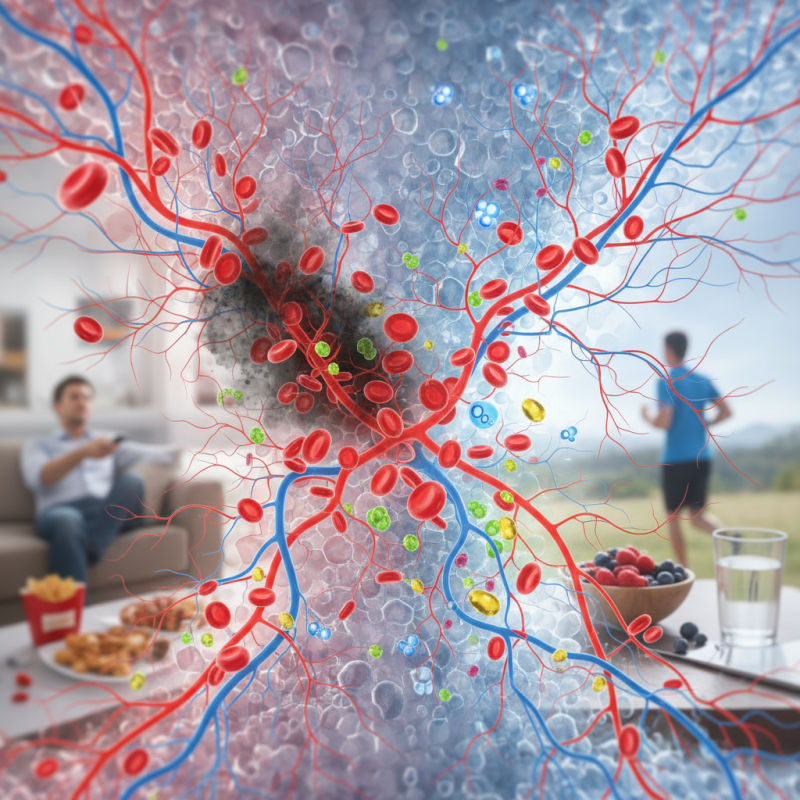
Certain lifestyles can hinder microcirculation. Factors like obesity, smoking, and sedentary habits can impair blood flow. Often, the tiny capillaries struggle to deliver oxygen and nutrients efficiently. As a result, organs don’t receive what they need. Symptoms like fatigue and swelling might arise. Yet, many overlook these signs.
Incorporating proper nutrition and regular exercise can enhance microcirculation. Studies show that certain foods, like berries and nuts, promote better blood flow. This emphasizes a need for awareness about microcirculation. Only by understanding what it is and why it matters can we take actionable steps to improve our health. Your body deserves it.
What is Microcirculation?
Microcirculation refers to the flow of blood through the smallest vessels in the body, such as capillaries, arterioles, and venules. This process is crucial for transporting oxygen and nutrients to tissues. It also helps remove waste products from cellular metabolism. Disturbances in microcirculation can lead to various health issues, including diabetes complications and cardiovascular diseases.
Many factors influence microcirculation, such as hydration, temperature, and physical activity. For example, poor hydration can impede blood flow in small vessels. Likewise, inactivity can reduce circulation efficiency. Patients often overlook these aspects, thinking their bodies function normally. However, this can lead to bigger health problems if not addressed.
Understanding microcirculation is essential for overall health. It’s easy to dismiss its importance. Yet, recognizing how it works can encourage better lifestyle choices. Simple changes, like staying hydrated and exercising regularly, can significantly improve circulation. Reflecting on daily habits can reveal areas needing attention. Prioritizing microcirculation can lead to enhanced well-being.
The Components of Microcirculation: Blood Vessels and Cells
Microcirculation refers to the flow of blood through the smallest blood vessels, including capillaries, venules, and arterioles. These tiny vessels are vital for tissue health. They facilitate the exchange of nutrients, oxygen, and waste products between blood and cells. A staggering
74% of blood volume circulates through microvessels, highlighting their significance in overall health.
The components of microcirculation consist of both blood vessels and cells. Endothelial cells line blood vessels, playing a critical role in maintaining vascular health. Proper endothelial function is essential for regulating blood flow and preventing inflammation.
Studies indicate that impaired microcirculation can contribute to various health issues, including diabetes and cardiovascular diseases. In fact,
80% of adults with diabetes show signs of microcirculatory dysfunction, underscoring the urgency for further research in this field.
Moreover, red blood cells are crucial for transporting oxygen and carbon dioxide through microvessels. These cells must deform to navigate through narrow capillaries efficiently. When this process is compromised, tissue oxygenation worsens. The interplay between blood vessels and the cells within them is complex.
A deeper understanding of microcirculation can lead to advancements in treatments for chronic diseases, improving health outcomes for many individuals.
The Role of Microcirculation in Body Functions
Microcirculation plays a critical role in the body's functions. It refers to the flow of blood through the smallest vessels, such as capillaries. These tiny vessels are vital for delivering oxygen and nutrients to cells. They also help in removing waste products from tissues. Disruptions in microcirculation can lead to health issues like inflammation and tissue damage.
When microcirculation is impaired, it can affect various body systems. For example, poor blood flow can lead to fatigue and muscle weakness. This often means that organs do not receive adequate oxygen. The skin may become pale or feel cold due to reduced blood supply. In some cases, chronic conditions may arise from long-term microcirculatory issues.
Understanding microcirculation is essential for overall health. It emphasizes the need for proper blood flow to maintain organ function. By focusing on lifestyle factors, people can improve their microcirculation. Simple changes like regular exercise and a balanced diet can make a difference. Reflection on one’s health habits can lead to better awareness and proactive management of microcirculation.
Microcirculation and Its Importance for Health
The chart below illustrates the various factors affecting microcirculation and their correlation with overall health based on recent studies.
Health Implications of Impaired Microcirculation
Microcirculation plays a vital role in our overall health. It refers to the blood flow through the smallest blood vessels, including capillaries. When microcirculation is impaired, tissues may not receive adequate oxygen and nutrients. This can lead to various health issues. For instance, poor blood circulation can cause fatigue, pain, and even organ dysfunction.
Impaired microcirculation can affect multiple systems in the body. Diabetics often experience this condition, leading to complications like neuropathy. Aging also contributes to deterioration in capillary health. When microcirculation fails, healing slows down. Small wounds can take longer to recover, and infections may become more common. Those with chronic diseases must pay attention to this aspect of health.
Research shows that enhancing microcirculation can lead to improved health outcomes. Regular exercise, a balanced diet, and staying hydrated can help. However, many overlook these simple practices. Monitoring vascular health is crucial. Individuals must remain aware of how lifestyle choices impact microcirculation. Reflecting on daily habits can lead to better blood flow and overall well-being.
Ways to Improve Microcirculation for Better Health
Microcirculation plays a crucial role in overall health. This intricate network of tiny blood vessels ensures that oxygen and nutrients reach cells, affecting vital functions. According to research from the American Physiological Society, even minor disturbances in microcirculation can lead to significant health issues, including cardiovascular diseases.
Improving microcirculation can be achieved through various lifestyle changes. Regular physical activity, such as walking or cycling, enhances blood flow. A study published in the Journal of Vascular Research found that exercise can increase capillary density in muscles. Furthermore, managing stress through mindfulness techniques positively affects circulation. Deep breathing exercises can trigger relaxation, promoting better blood flow.
Nutrition also plays a vital role. Foods rich in antioxidants, like berries and dark chocolate, support vascular health. A 2021 report from the Institute of Nutritional Science highlighted that a diet high in omega-3 fatty acids improves circulation. Hydration is equally essential. Water intake keeps blood viscosity low, facilitating smoother flow through microvessels. As we incorporate these changes, we should reflect on our habits and the adverse effects of a sedentary lifestyle and poor diet.
What is Microcirculation and Why It Matters for Health? - Ways to Improve Microcirculation for Better Health
| Aspect |
Description |
Importance for Health |
Ways to Improve |
| Definition |
Microcirculation refers to the flow of blood through the smallest blood vessels, including capillaries, venules, and arterioles. |
Critical for delivering oxygen and nutrients to tissues, and removing waste products. |
Stay hydrated, regular exercise, massage therapy. |
| Role |
Microcirculation plays a key role in immune response and inflammation regulation. |
Helps maintain tissue health and fight infections. |
Include antioxidants, maintain a healthy diet. |
| Impact of Poor Microcirculation |
Can lead to health issues like chronic pain, diabetes complications, and cardiovascular diseases. |
Poor tissue health and increased risk of serious conditions. |
Avoid smoking, manage stress, regular health check-ups. |
| Diagnostic Tools |
Techniques like capillaroscopy, laser Doppler flowmetry, and near-infrared spectroscopy. |
Helps identify issues in microcirculation early. |
Consult healthcare professionals for appropriate tests. |
| Lifestyle Changes |
Involve diet, exercise, and stress management to enhance microcirculation. |
Promotes overall health and prevents complications. |
Engage in regular physical activity, yoga, and proper nutrition. |
FAQS
: Microcirculation is the flow of blood through small vessels, like capillaries. It delivers oxygen and nutrients to tissues.
It helps remove waste from cells and maintains tissue health. Disturbances can lead to health issues like diabetes.
Poor hydration can impede blood flow in small vessels. It’s essential for maintaining effective circulation.
Inactivity and poor diet can harm circulation. Regular exercise and a balanced diet can improve blood flow.
It can cause fatigue, pain, and slow healing. Diabetics often face complications due to this condition.
Endothelial cells line blood vessels. They help regulate blood flow and prevent inflammation, supporting vascular health.
Yes, simple habits like staying hydrated can significantly enhance microcirculation. Reflection on daily habits is key.
Aging can deteriorate capillary health. This can slow healing and increase infection risks, especially in older adults.
Regular exercise improves circulation efficiency. Many people underestimate its positive effects on vascular health.
Understanding how lifestyle choices affect microcirculation can lead to better health outcomes and enhanced well-being.
Conclusion
Microcirculation refers to the network of small blood vessels, including arterioles, capillaries, and venules, that facilitate nutrient and oxygen delivery to tissues while also aiding in waste removal. Understanding "what is microcirculation and why it matters" is vital, as it plays a crucial role in maintaining overall body functions, supporting organ health, and regulating inflammation. The components of microcirculation, mainly blood vessels and various cells, work collaboratively to ensure efficient circulation.
Impaired microcirculation can lead to numerous health issues, such as chronic fatigue, diabetes, and cardiovascular diseases. Improving microcirculation is essential for better health and can be achieved through lifestyle changes such as regular exercise, a balanced diet, and proper hydration. By recognizing the importance of microcirculation, individuals can take proactive steps to enhance their well-being and prevent potential health complications.

 StavroCare Medical