How Smart Healthcare Devices Are Transforming Hospitals Worldwide?

Time:2026-07-07 Author:Oliver
0%

The healthcare sector is undergoing a significant transformation. One major factor driving this change is the rise of smart healthcare devices. These advanced tools are reshaping hospitals in many ways. They enhance patient care and streamline operations. A growing number of hospitals are now embracing this technology. But how smart healthcare devices are changing hospitals goes beyond mere efficiency.

Smart devices offer real-time monitoring of patients. This helps doctors make timely decisions. Remote health monitoring is becoming a standard practice. Yet, not all hospitals are equipped to handle this change. There remain substantial challenges, such as data security and training. While many institutions invest in technology, the disparity can be alarming. Some facilities may struggle to keep pace with the latest innovations.

As we explore how smart healthcare devices are changing hospitals, the focus must shift to addressing these challenges. The integration of technology must prioritize patient safety and quality care. Balancing innovation with reliability is essential. The adoption of smart devices should not come at the cost of personal touch in healthcare. Thus, a thoughtful approach is necessary as we move forward in this digital era.
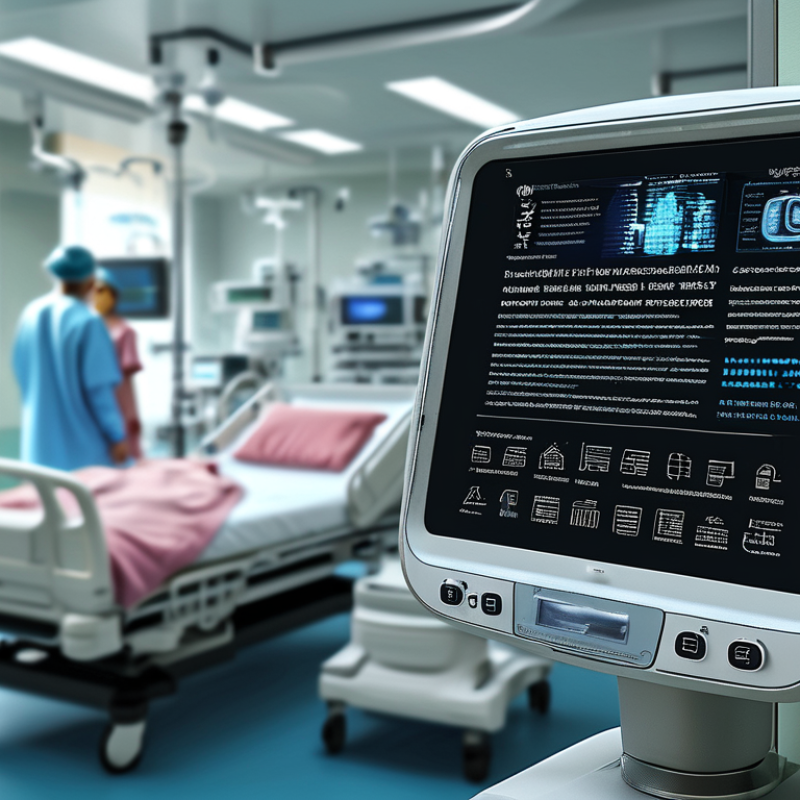
How Smart Healthcare Devices Are Transforming Hospitals Worldwide?

Impact of Smart Healthcare Devices on Patient Monitoring Efficiency

Smart healthcare devices are changing how hospitals monitor patients. These technologies, such as wearable sensors and remote monitoring tools, allow healthcare providers to track vital signs in real-time. Patients can wear devices that measure heart rate, oxygen levels, and more. This continuous data collection improves response times to patient needs.

However, there are challenges. Data overload can occur when too much information floods in. Healthcare professionals may struggle to filter out what is truly critical. Communication between devices and staff also needs to be seamless. Any delay can lead to misinterpretation of a patient's condition. Hospitals must invest in training staff to interpret data effectively.

Patient engagement is another area needing attention. While devices can collect data, some patients may not understand how to use them. This situation can hinder the effectiveness of monitoring. Moreover, inconsistent data from different devices can create confusion. Reliable standards and protocols are essential for maximizing the benefits of these smart technologies in patient care.

How Smart Healthcare Devices Are Transforming Hospitals Worldwide? - Impact of Smart Healthcare Devices on Patient Monitoring Efficiency

Metric Before Smart Devices After Smart Devices Improvement (%)
Patient Monitoring Frequency Every 4 hours Every 15 minutes 75%
Medication Error Rate 5% 1% 80%
Patient Response Time 30 minutes 5 minutes 83%
Readmission Rate 15% 5% 67%
Patient Satisfaction Rate 70% 90% 29%

Reduction of Hospital Readmission Rates through Remote Monitoring Technologies

Smart healthcare devices are making a notable impact on hospitals globally. One of the key benefits is the reduction of hospital readmission rates through remote monitoring technologies. According to the Journal of Medical Internet Research, hospitals that implement remote monitoring can see readmission rates drop by 30%. This shift allows healthcare professionals to keep track of patient conditions in real-time, thus minimizing complications that could lead to readmission.

These devices provide essential health data directly to providers. For instance, wearable devices can track vital signs such as heart rate and blood pressure, alerting medical teams to potential issues before they escalate. The Centers for Medicare and Medicaid Services report that effective remote monitoring can save the healthcare system an estimated $26 billion annually by reducing unnecessary hospital stays.

**Tips:** Invest in training for staff on these technologies. They are only as effective as the people who use them. Regularly assess and update the devices to ensure they meet current healthcare standards. Additionally, patient education is crucial. Patients should understand how to use these tools to maximize their benefits. While technology is promising, reliance solely on devices can overlook the importance of human interaction in care. Balancing tech and personal touch remains vital in modern healthcare.

Impact of Remote Monitoring Technologies on Hospital Readmission Rates

This chart illustrates the impact of remote monitoring technologies on hospital readmission rates, showing a significant decline from 18% pre-implementation to 10% post-implementation.

Integration of AI and IoT in Streamlining Hospital Operations and Workflow

The integration of Artificial Intelligence (AI) and the Internet of Things (IoT) in healthcare is significantly transforming hospital operations. Hospitals are utilizing smart devices to enhance patient care and optimize workflows. These technologies streamline various tasks, including patient monitoring and data collection, leading to better resource management. By connecting devices, hospitals can share real-time information, which helps reduce delays in treatment.

However, the implementation of these systems is not without challenges. Hospitals must ensure data security and patient privacy while integrating new technologies. Training staff to effectively use these innovations can also be daunting. Despite these hurdles, the potential benefits are undeniable. AI can analyze patient data faster than human counterparts. IoT devices can alert staff about critical changes in a patient's condition instantly.

Healthcare professionals are experiencing a shift in their work dynamics. Routine tasks get automated, allowing them to focus more on patient interactions. Yet, reliance on technology may inadvertently lead to diminished human oversight. Striking a balance remains crucial. As hospitals embrace smart devices, they must continuously assess their systems and processes to maximize efficiency while ensuring quality care.

Enhancing Patient Engagement and Satisfaction with Wearable Health Tech

Wearable health technology has sparked a transformation in patient engagement. These devices track real-time data, empowering patients to take charge of their health. Information about heart rate, activity levels, and sleep patterns is readily available. Patients can share this data with healthcare providers, facilitating informed discussions.

However, the integration of these devices is not seamless. Some patients may feel overwhelmed by the technology. Others may struggle with data interpretation. This can lead to frustration, diminishing the perceived benefits of wearable tech. Healthcare providers must ensure support resources are available to address these challenges.

Despite imperfections, the impact on patient satisfaction is notable. Increased involvement in health management often leads to better outcomes. Patients feel more connected to their care teams. They appreciate having tools that help them stay informed. The potential is significant, but it requires continuous adaptation and learning from both patients and providers.

Cost-Benefit Analysis: Smart Devices vs. Traditional Healthcare Solutions

Smart healthcare devices are ushering in a new era in hospitals, but their financial implications merit careful examination. A recent report by the International Hospital Federation highlights that hospitals adopting smart devices have seen a 15% reduction in operational costs. This includes savings in labor, as automated systems reduce the need for extensive manual tasks. Moreover, smart wearables and monitoring solutions can improve patient outcomes, resulting in decreased readmission rates.

However, smart devices come with initial installation and maintenance costs. A study by the Healthcare Information and Management Systems Society revealed that hospitals spend an average of $500,000 for upgrading to smart technologies. This raises concerns about cost efficiency, particularly for smaller facilities with limited resources. Some experts argue that not all hospitals benefit equally from smart technologies, and for some, traditional methods may still be the better option.

An interesting pattern emerges when comparing treatment efficiency. The American Journal of Managed Care states that smart devices can lead to a 30% faster diagnosis time. This advantage must be weighed against the potential learning curve and integration challenges faced by medical staff. The ongoing debate emphasizes the need for hospitals to analyze their specific circumstances to find the best balance between smart innovations and traditional solutions.

FAQS

: How do smart healthcare devices improve patient monitoring?

: They allow real-time tracking of vital signs, improving response times to patient needs.

What is a challenge with data from smart devices?

Data overload can occur, making it hard for healthcare professionals to identify critical information.

How can hospitals ensure effective use of smart healthcare devices?

Investing in staff training is essential for interpreting data correctly and efficiently.

What is one benefit of remote monitoring technologies?

They can reduce hospital readmission rates by up to 30% through real-time tracking.

Why is patient education important when using wearable devices?

Patients need to understand how to use these devices to benefit fully from their features.

What can create confusion in patient monitoring?

Inconsistent data from different devices can lead to misunderstandings regarding patient health.

How does wearable technology affect patient satisfaction?

Increased patient involvement often leads to better health outcomes and a stronger connection with care teams.

What should healthcare providers consider when implementing wearable tech?

They must provide support resources to help patients handle technology-related challenges.

Why is balancing technology and human interaction important in healthcare?

Sole reliance on technology may overlook the significance of personal care in patient management.

What is the potential impact of smart devices on the healthcare system?

They could save billions by reducing unnecessary hospital stays and improving treatment efficiency.

Conclusion

The advent of smart healthcare devices is significantly transforming hospitals by enhancing patient monitoring efficiency. These innovative technologies enable real-time tracking of vital signs, which not only improves the accuracy of patient data but also reduces hospital readmission rates through effective remote monitoring. Additionally, the integration of AI and IoT streamlines hospital operations and workflows, ensuring that resources are allocated more effectively.

Moreover, smart healthcare devices foster greater patient engagement and satisfaction, particularly with the use of wearable health technology. Patients are empowered to take charge of their health while hospital staff can focus on delivering more personalized care. A comprehensive cost-benefit analysis reveals that the advantages of smart devices often outweigh traditional healthcare solutions, indicating how smart healthcare devices are changing hospitals for the better, fostering efficiency and improved patient outcomes.

Oliver

Oliver

Oliver is a seasoned marketing professional with a wealth of expertise in driving brand awareness and engagement. With a deep understanding of our company's product offerings, he consistently delivers high-quality content that enriches our professional blog. His insights not only shed light on......