When exploring how to use physiotherapy at home safely, it’s essential to seek guidance from experts. Dr. Sarah Thompson, a renowned physiotherapist, advises, "Proper technique and knowledge are key to effective home physiotherapy." With the right approach, you can benefit from physiotherapy without risking injury or complications.
Many patients find themselves unsure about how to implement physiotherapy exercises in their everyday routines. This uncertainty can lead to improper techniques, diminishing progress. It’s vital to understand that safety is paramount. Specific exercises may not be suitable for everyone. Personalization is crucial to cater to individual needs and limitations.
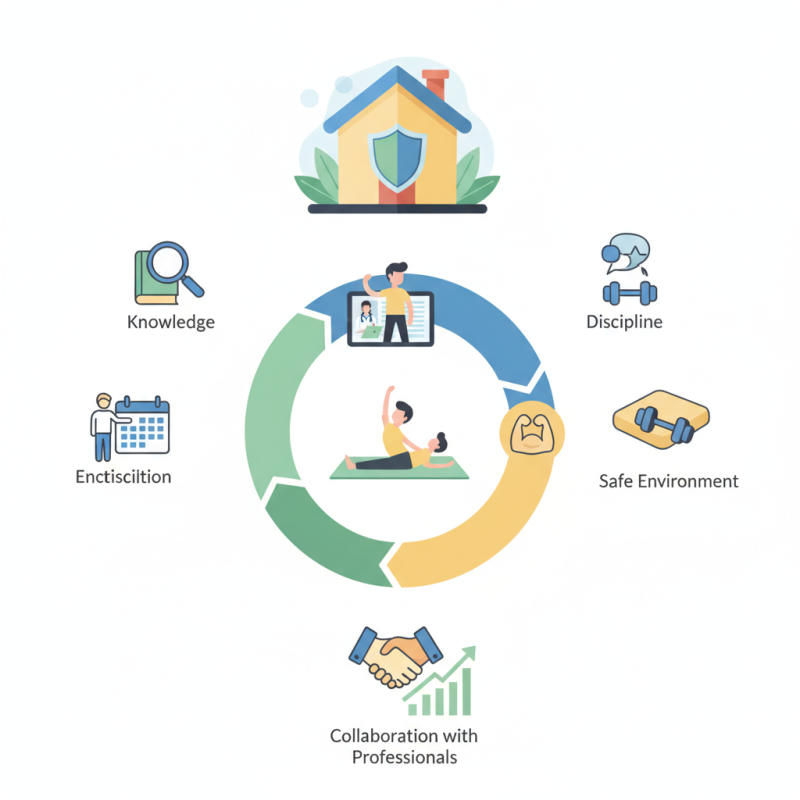
Home physiotherapy can be advantageous, offering flexibility and comfort. However, it requires discipline and knowledge. Ensuring that your environment is safe and appropriate for exercises will reduce risks. Regularly consulting with a professional can help refine techniques. This collaboration enhances your confidence in how to use physiotherapy at home safely, leading to better outcomes in recovery and strength.
Understanding the Basics of Physiotherapy for Home Use
Physiotherapy at home can be empowering. Understanding the basics is essential for safety and effectiveness. Start by identifying your specific needs. Whether recovering from an injury or managing a chronic condition, knowing the right exercises is crucial. Consulting a healthcare professional is the first step. They can provide tailored advice based on your situation.
Creating a suitable environment is key. Designate a clean, open space for your exercises. Ensure it is free from distractions. Invest in basic equipment like resistance bands or soft mats. Experiment with different exercises, but keep it simple. You might find some movements challenging. Reflect on your progress and adjust as needed.
Tracking your workouts can help. Write down what you accomplish each session. This will show improvement over time, even if it feels slow. Listen to your body and don’t push through intense pain. Safety is the top priority. A gradual approach ensures sustainability. Each small step contributes to recovery and better health.
Essential Equipment for Safe Home Physiotherapy Practices
Home physiotherapy can be both effective and safe, provided you have the right equipment. Essential tools include resistance bands, foam rollers, and yoga mats. These items help support exercises tailored to your needs.
According to a study published in the Journal of Physiotherapy, consistent practice can lead to a 40% improvement in mobility.
Having a sturdy chair is crucial. It acts as a support during workouts and enhances balance. If you prefer working on the floor, make sure your yoga mat offers enough grip. Reports indicate that improper surfaces can increase the risk of falls by 30%. Small weights can also be beneficial but should be used with caution.
Creating a designated workout space is important. Ensure it's free from clutter to minimize hazards. Monitor your progress to adjust equipment as needed. Keeping track may reveal areas for improvement, sparking reflections on your practice. While these tools are helpful, remember they cannot replace professional guidance for complex conditions.
Common Physiotherapy Techniques for Home Rehabilitation
When considering physiotherapy at home, several techniques can enhance your rehabilitation process.
Stretching is a foundational practice that promotes flexibility and reduces muscle tension.
You can start with gentle neck rotations and shoulder stretches. Aim for 10 minutes daily. Stick to these routines to avoid overexertion.
Strengthening exercises play a vital role in home rehabilitation.
Bodyweight exercises, like squats and lunges, are effective. Use a sturdy chair for support if necessary.
Gradually increase repetitions, but listen to your body. If pain arises, recognize it as a sign to adjust your approach.
Balance training is often overlooked. Simple tasks like standing on one leg can improve stability.
Make it a fun challenge—see how long you can hold the position. Check your surroundings for safety.
Avoid clutter, and ensure you have support nearby. Reflect on your progress regularly.
It's essential to adjust your techniques based on what feels effective and safe.
Guidelines for Monitoring Progress and Safety at Home
Monitoring progress during home physiotherapy is crucial for safety and effectiveness. Research shows that 30% of individuals may not follow their home exercise programs correctly, leading to inadequate recovery. Therefore, establishing a clear tracking system is essential. Use a simple journal or app to record daily exercises, noting any discomfort or issues. This can help in identifying patterns and understanding what works best for your body.
Safety should always be a priority. According to a report from the Physiotherapy Association, improper technique can lead to injuries. It is vital to ensure you are using the correct form during exercises. If unsure, consult a licensed physiotherapist remotely. They can provide guidance through video consultations. Additionally, be mindful of your limits. If an exercise causes pain beyond mild discomfort, it may need to be modified or replaced.
Feedback is essential in home physiotherapy. Regularly assess your progress by measuring improvements in strength, flexibility, or mobility. Studies indicate that individuals who monitor their progress are 50% more likely to stick to their routines. Engage in self-reflection on your performance. Are you pushing too hard, or perhaps not hard enough? Recognizing these nuances can lead to better outcomes in your recovery journey.
Progress Tracking in Home Physiotherapy
This chart illustrates the improvement in range of motion over six weeks of home physiotherapy. Monitoring progress can help ensure safety and effectiveness of the rehabilitation process.
When to Seek Professional Help During Home Physiotherapy
Home physiotherapy can be beneficial, but it's crucial to know when to seek professional help. A study from the American Physical Therapy Association indicates that 25% of individuals may not recognize serious underlying conditions. Signs such as intense pain, swelling, or sudden weakness should prompt immediate consultation with a healthcare provider. Ignoring these symptoms may escalate the issue and prolong recovery time.
Monitoring progress is vital for home physiotherapy. If exercises lead to increased pain or limited mobility, it's a red flag. A report from the National Institutes of Health shows that about 15% of patients experience setbacks due to lack of guidance. This underscores the importance of professional evaluation. Having a clear understanding of your goals and limitations can shape effective home therapy.
If your current methods feel ineffective, it might be time for a reevaluation with a physical therapist.
Every individual’s situation is unique. While home physiotherapy can be effective, ongoing communication with healthcare professionals can enhance safety and efficacy. It’s also helpful to keep a journal of your symptoms and progress. This documentation can assist professionals in tailoring a suitable treatment plan when necessary. Being proactive about your health is key to a successful recovery journey.
FAQS
: Stretching promotes flexibility and reduces muscle tension. Aim for gentle neck rotations and shoulder stretches for 10 minutes daily.
Bodyweight exercises like squats and lunges are effective. Use a sturdy chair for support and gradually increase repetitions.
If pain arises, recognize it as a signal to adjust your approach or take a break. Listening to your body is essential.
Stand on one leg for stability. Make it a fun challenge by timing yourself, but ensure safety in your surroundings.
Seek help if you experience intense pain, swelling, or sudden weakness. Ignoring these may worsen your condition.
If you notice increased pain or limited mobility, it could be a red flag. Consider reevaluating your methods with a professional.
Keeping a journal of your symptoms and progress is useful. This documentation helps when consulting with healthcare professionals.
Ongoing communication helps ensure safety and effectiveness of your home rehabilitation efforts. Regular check-ins can guide your methods.
Regularly assess what techniques feel effective and safe. Adjust your routine based on your reflections and progress.
Every individual’s situation is unique. Personalized approaches enhance recovery, making it important to understand personal goals and limitations.
Conclusion
This article provides essential insights on how to use physiotherapy at home safely, ensuring effective rehabilitation without compromising safety. It begins with an understanding of the fundamentals of physiotherapy, emphasizing the importance of knowledge in executing exercises correctly. Essential equipment is outlined to assist individuals in creating a safe and effective home therapy environment.
Furthermore, the article explores common physiotherapy techniques applicable for at-home practices, allowing individuals to engage in beneficial rehabilitation routines. Guidelines for monitoring progress and maintaining safety during these sessions are also highlighted, ensuring that users can track improvements while recognizing when professional help may be necessary. This comprehensive approach empowers individuals to utilize physiotherapy in a safe and impactful manner from the comfort of their homes.

 StavroCare Medical