Chronic pain can make familiar tasks—getting dressed, carrying groceries, or sleeping through the night—feel unpredictable. For many people, home care is not about finding one quick fix. It is about building a workable routine, noticing patterns, and adjusting without blaming yourself when symptoms flare.
So, what is the best way to manage chronic pain at home? A practical plan often combines gentle movement, pacing, restorative sleep habits, stress-management skills, and prescribed treatments reviewed with a clinician. Margo McCaffery, a pioneering pain-management nurse, wrote, “Pain is whatever the experiencing person says it is, existing whenever he says it does.” Her words remind us that pain deserves to be taken seriously, even when others cannot see it. Small steps matter.
This guide introduces ten realistic strategies, from tracking symptoms in a simple notebook to arranging supportive, safe spaces at home. A brief record of activity, sleep, mood, and pain can make healthcare appointments more specific. Individual needs differ: a walk that helps one person may worsen another person’s symptoms. Start gradually, follow your healthcare professional’s guidance, and ask before changing medication or exercise plans. Progress can wobble. That is useful information, not failure. Home strategies can support daily function, but they do not replace diagnosis or urgent care. New severe symptoms, sudden weakness, or trouble breathing need prompt medical attention. The aim is not perfection; it is a safer, more informed way to live with pain.
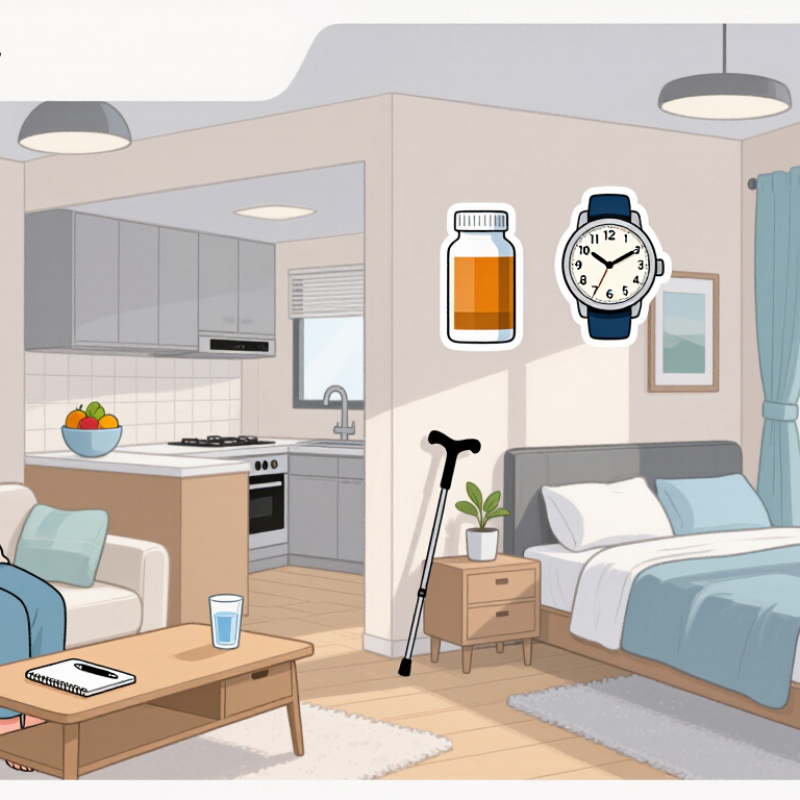
Understand Your Pain and Track Its Patterns
Chronic pain can feel random, but a simple record may reveal patterns worth discussing with a clinician.
The CDC’s 2020 MMWR report estimated that 20.4% of U.S. adults had chronic pain in 2019; 7.4% had pain that often limited life or work. Your own notes can add context that a single appointment may miss.
Use a notebook or phone and record the time, location, and intensity of pain from zero to ten. Note what you were doing, how you slept, and any changes in mood or movement. Add treatments you tried and whether they helped, including how long relief lasted. Keep entries brief. A few words are enough. Review them weekly for repeated triggers or easier periods, then bring the notes to your care team.
A diary is not a diagnosis, and one bad day does not prove a pattern. Tracking can also become tiring; missed entries happen. Do not force perfect records. If pain suddenly changes or comes with worrying new symptoms, seek medical advice rather than waiting for the next review.
Create a Safe, Personalized Pain-Management Plan
A safe pain-management plan should fit your home, health history, and daily limits.
The CDC’s 2023 National Health Interview Survey found chronic pain in 24.3% of U.S. adults. High-impact chronic pain affected 8.5% (MMWR, 2024). A CDC report using 2016 data estimated 20.4% and 8.0%, respectively (MMWR, 2018). Different survey years offer context, not a simple trend. Pain is common. Your needs are personal.
Work with a clinician to set practical goals, such as dressing with less strain or walking to the mailbox. Keep a simple log of pain, sleep, activity, and side effects; bring it to follow-up visits. No log is perfect. Missed entries can hide patterns, so note them honestly. Ask a clinician or pharmacist to review medicines, supplements, timing, and possible interactions. Do not change prescribed treatment on your own. At home, clear loose rugs, add brighter nighttime lighting, and keep daily items within easy reach. Try changes one at a time, so you can tell what helps. A plan may still fall short on a difficult day. That is useful information to discuss, not a reason to blame yourself.
Balance Gentle Movement, Rest, and Daily Activities
Living with chronic pain can make ordinary tasks feel unpredictable. The CDC’s 2023 National Health Interview Survey found that 24.3% of U.S. adults had chronic pain, and 8.5% had high-impact chronic pain. A steady routine may help you notice what your body tolerates, though it cannot guarantee less pain. Try a gentle five-minute walk, slow shoulder rolls, or standing to stretch beside the kitchen counter. Keep the effort easy enough to speak comfortably. Small steps count.
Pacing means alternating activity with planned rest, rather than doing everything on a better day and paying for it tomorrow. Break laundry into smaller loads. Sit while chopping vegetables. Set a timer for a brief movement break, then pause before fatigue builds. WHO’s 2020 guidelines give adults a broad target of 150–300 minutes of moderate activity each week, but that is not a personal prescription for someone with pain. Begin below your limit and adjust with guidance from a clinician or physical therapist, especially if symptoms change. Rest matters. Too much rest can also make returning to daily tasks harder, so finding the balance may take trial and error. Some days, the plan will need revising. That is frustrating, but useful information.
10 Tips for Managing Chronic Pain at Home
Balance gentle movement, rest, and daily activities with a manageable weekly routine.
Example, not a prescription: The chart divides 150 minutes of moderate activity across the week. WHO guidelines recommend adults work toward at least 150 minutes of moderate aerobic activity weekly, as their abilities allow. With chronic pain, start at a comfortable level, increase gradually, pace activities, and include rest. Ask a healthcare professional about a plan suited to you.
Use Relaxation and Home Comfort Measures
Chronic pain can make a familiar room feel uncomfortable. Adjusting your surroundings may reduce strain without requiring a major overhaul. The CDC’s 2023 report, based on 2021 U.S. data, found that 20.9% of adults had chronic pain. Another 6.9% had high-impact chronic pain that limited daily activities. Small changes count.
Try five minutes of slow breathing: inhale gently, then make each exhale a little longer. A quiet corner, dimmer light, or soft background sound may help you settle. Progressive muscle relaxation is another option: gently tense and release one muscle group at a time. The National Center for Complementary and Integrative Health notes that evidence for relaxation approaches varies, so results differ. These methods are not a replacement for prescribed care.
At home, keep water, a phone, and frequently used items within easy reach. Support sore areas with pillows, and consider a wrapped warm or cool pack for brief periods. Check your skin often, and ask a clinician before using temperature treatments if sensation or circulation is reduced. No setup is perfect. Some days, breathing exercises feel irritating rather than calming; stop and try a gentler approach. A simple note about comfort, sleep, and activity can help you notice what actually works.
Review Your Progress and Know When to Seek Care
Set aside five minutes each evening to review how pain affected your day. Record its intensity, location, and duration, but also note what you could do. For example, write down whether you climbed the stairs, prepared dinner, or woke during the night. Include helpful activities and possible triggers, such as a long car ride or poor sleep. Patterns matter. One difficult afternoon does not tell the whole story.
Compare your notes across several days or weeks, rather than judging progress by one unusually good or bad day. Look for changes in sleep, movement, mood, and everyday tasks. My notes are sometimes patchy; that is still more useful than relying on memory alone. Bring them to appointments, along with questions about side effects or goals that feel unrealistic. Do not stop or change prescribed medicine without discussing it with your healthcare professional.
Contact your care team if pain is steadily worsening, new symptoms appear, treatment side effects concern you, or daily activities become harder despite following your plan. Ask what changes warrant a call and whom to contact after hours. Seek urgent medical help for sudden severe pain, chest pain, trouble breathing, new weakness, or loss of bladder or bowel control. When in doubt, describe exactly what changed and when.
Conclusion
Managing chronic pain at home begins with noticing how it changes over time. Keep a simple record of pain levels, possible triggers, sleep, mood, and activities to help identify patterns and share useful details with a healthcare professional. Work with a qualified provider to create a personalized plan that reflects your health, daily needs, and treatment goals. If you are wondering what is the best way to manage chronic pain at home, there is no single approach for everyone; a thoughtful combination of strategies is often more helpful than relying on one measure alone.
Aim for a sustainable balance of gentle movement, rest, and everyday tasks, adjusting your pace when symptoms change. Relaxation practices and simple comfort measures, such as a calm environment or heat or cold when appropriate, may support day-to-day well-being. Review your progress regularly and discuss concerns or changes with your provider. Seek medical advice if pain worsens, new symptoms appear, or your current plan is not helping.
 StavroCare Medical
