Why Is Nasal Health Important for Overall Wellness?

Time:2026-10-20 Author:Amelia
0%

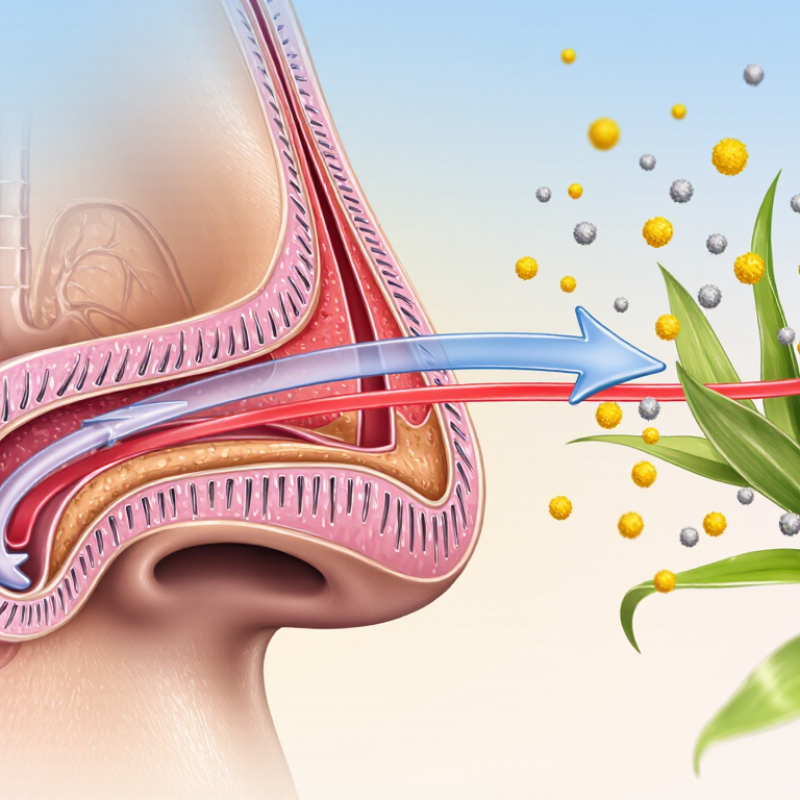
Understanding why nasal health is important for overall wellness begins with the nose’s daily workload. It filters dust, warms inhaled air, and adds moisture before air reaches the lungs. It also supports smell, taste, sleep, and comfortable breathing. As otolaryngologist Dr. Michael Benninger explains, “The nose is the body’s first line of defense.” That simple description deserves closer attention.

The Global Initiative for Asthma’s 2024 strategy report states that asthma affects approximately 262 million people worldwide. The World Health Organization links asthma with hundreds of thousands of deaths each year. Nasal inflammation can worsen breathing symptoms, especially when allergies, infection, or structural blockage are involved. ARIA guidance also reports that allergic rhinitis affects a substantial share of the global population, sometimes approaching 40%. These figures make nasal care more than a comfort issue.

Small details matter. A blocked nose may force mouth breathing during sleep. Dry air can leave the throat rough each morning. Repeated congestion can make exercise feel harder than expected. Still, the evidence is not perfectly simple. Nasal symptoms do not always explain fatigue, poor sleep, or breathing difficulty. Other conditions may be involved. Professional assessment remains important, particularly when obstruction persists, bleeding recurs, or sleep becomes disrupted. This article explores why nasal health is important for overall wellness through current evidence, clinical insight, and practical everyday observations.
Why Is Nasal Health Important for Overall Wellness?

What Nasal Health Means and Why It Matters

Nasal health means more than breathing freely. The nose filters particles, warms inhaled air, adds moisture, and supports the sense of smell. Its lining also helps trap dust, pollen, and microorganisms before they travel deeper into the airways. This protection matters in ordinary moments, such as sleeping in a dry room or walking beside heavy traffic. The World Health Organization reported in 2022 that 99% of people breathed air exceeding recommended pollution limits. The nose is often the first exposed surface.

Poor nasal health can affect sleep, concentration, exercise, and daily comfort. Congestion may encourage mouth breathing, which can dry the throat and disturb restful sleep. The U.S. Centers for Disease Control and Prevention reported that about 28.9 million American adults had diagnosed sinusitis in 2018. Allergic rhinitis also affects a substantial share of the population, according to international allergy guidelines. These figures show scale, though they do not explain every individual case. That limitation matters. A blocked nose may reflect allergies, infection, structural differences, medication effects, or indoor air conditions. People often dismiss it as minor. Persistent symptoms deserve professional assessment, especially when sleep, smell, or breathing changes. Gentle saline cleansing, adequate humidity, reducing smoke exposure, and managing known allergens can support nasal function, but they are not universal fixes. The nose quietly works all day. We notice it most when it struggles.

How the Nose Supports Breathing and Airway Protection

Why Is Nasal Health Important for Overall Wellness?

Your nose is the body’s first airway checkpoint. It filters dust, warms incoming air, and adds moisture before air reaches the lungs. Tiny hairs and mucus trap particles, while cilia move them toward the throat for removal. This process supports cleaner, calmer breathing.

The protection is useful, but not perfect. The World Health Organization reported in 2022 that 99% of people breathe air exceeding its recommended pollution limits. Nasal tissues may struggle in smoke, traffic pollution, dry rooms, or during infections. The EPOS 2020 position paper estimates chronic rhinosinusitis affects about 5–12% of adults in Europe and North America. Persistent blockage can encourage mouth breathing, which dries the throat and may disturb sleep. A blocked nose is not always minor.

Tips: Rinse the nose with sterile or previously boiled water when appropriate. Keep indoor air comfortably humid, but avoid excessive moisture. Wash hands before touching your face. Seek medical advice for blockage lasting over ten days, repeated nosebleeds, severe facial pain, or breathing difficulty. Avoid inserting cotton swabs deeply, since they can irritate delicate tissue. One habit deserves reflection: many people tolerate poor nasal breathing for months before asking why.

The Nose’s Role in Smell, Taste, and Environmental Awareness

Nasal health shapes how we interpret food, surroundings, and possible danger. The nose detects airborne molecules before they reach conscious attention. Through retronasal smell, aromas travel from the mouth into the nasal cavity while chewing. This process creates much of what people call taste. Without it, a warm curry may seem strangely flat.

The National Institute on Deafness and Other Communication Disorders reports that about 1% of Americans experience anosmia, or complete smell loss. Its materials also link smell disorders with reduced appetite, safety concerns, and lower quality of life. A blocked nose can dull coffee, fruit, and even subtle signs of spoiled food. Small changes matter.

Smell also supports environmental awareness. Smoke, burning plastic, mold, and chemical odors can trigger caution within seconds. However, smell is not a perfect alarm. Some dangerous gases have no natural odor, and congestion may hide familiar warning scents. That assumption deserves caution. Clinical guidance from the NIDCD recommends discussing persistent smell changes with a healthcare professional, especially after infection, head injury, or ongoing nasal obstruction. The World Health Organization’s sensory-health framework likewise treats sensory function as part of everyday independence, not a minor comfort. A clear breath and a working sense of smell can change how confidently someone eats, travels, and notices the room around them.

Common Nasal Problems and Their Effects on Daily Wellness

Why Is Nasal Health Important for Overall Wellness?

Common nasal problems can quietly affect comfort, sleep, concentration, and energy. A blocked nose from allergies may force mouth breathing during the day. At night, congestion can cause dry lips, restless sleep, and morning fatigue. The pattern matters.

Allergic rhinitis often brings sneezing, itching, and watery discharge. Viral infections may cause temporary congestion, facial pressure, and reduced smell. Dry air, indoor heating, or frequent nose rubbing can irritate the nasal lining and trigger minor nosebleeds. Sinus symptoms that persist may also interfere with work, exercise, and social activities. Small problems can feel surprisingly disruptive.

I have noticed that people often tolerate poor nasal breathing for too long. That is not trivial. Simple habits may help, such as drinking enough water, avoiding known irritants, and keeping indoor air comfortably humid. Saline rinsing can provide relief for some people, but clean water and proper device hygiene are essential. Decongestant sprays should not be overused, because rebound congestion may develop. A healthcare professional should assess recurring bleeding, severe facial pain, high fever, breathing difficulty, or symptoms lasting longer than expected. Personal experience can suggest a pattern, but it cannot replace a clinical evaluation.

Essential Habits for Maintaining Healthy Nasal Function

Healthy nasal function supports comfortable breathing, clearer sleep, and effective air filtration. The nose warms, moistens, and filters inhaled air before it reaches the lungs. Dryness can make this work harder. You may notice crusting, irritation, or waking with a dry mouth.

Gentle daily habits can protect the nasal lining. Drink enough water, especially in dry weather or heated rooms. Use a clean humidifier, but wash it regularly to prevent microbial growth. Saline spray may ease dryness without medication. For nasal rinsing, use sterile, distilled, or previously boiled and cooled water. Never improvise here. It matters.

Avoid cigarette smoke, heavy dust, and strongly scented products when possible. Blow your nose softly, one side at a time. Forceful blowing may increase pressure and irritation. If allergies affect breathing, reduce bedroom dust and discuss suitable treatment with a qualified clinician. Decongestant sprays can help briefly, yet overuse may worsen blockage. This mistake is common.

A healthy routine should feel practical, not perfect. Some people need more moisture; others react to saline or humid air. Persistent bleeding, facial pain, reduced smell, or blockage deserves medical assessment. Symptoms that repeatedly disturb sleep should not be ignored. I would also question any advice promising instant results. Nasal tissue often improves gradually.

Why Is Nasal Health Important for Overall Wellness? – Essential Habits for Maintaining Healthy Nasal Function
Health Dimension Evidence-Based Habit or Function Practical Target or Fact Potential Wellness Benefit Safety Consideration
Air Filtration and Conditioning The nose filters airborne particles and warms and humidifies inhaled air before it reaches the lower airways. Prefer nasal breathing during comfortable, low-intensity activity when possible. May reduce mouth dryness and help protect the throat and lower respiratory tract from cold, dry, or unfiltered air. Persistent difficulty breathing through the nose should be assessed rather than managed by forcing nasal breathing.
Nasal Moisture Maintain comfortable indoor moisture and avoid excessive exposure to very dry air, dust, and chemical fumes. Indoor relative humidity of approximately 30%–50% is generally recommended to balance dryness and excess moisture. Can help reduce nasal crusting, irritation, dryness-related discomfort, and minor nosebleeds. Excessive humidity can encourage mold and dust-mite growth; clean humidifiers regularly.
Saline Nasal Care Use an isotonic saline spray or rinse to loosen mucus and remove irritants when appropriate. For nasal irrigation, use only distilled, sterile, or previously boiled and cooled water. May improve nasal comfort and congestion associated with allergies, colds, or environmental irritation. Clean and air-dry the device after use. Stop if severe pain, repeated bleeding, or worsening symptoms occurs.
Water Safety Safe water is essential when liquid is introduced into the nasal passages. Boil tap water for at least 1 minute, then cool it before use; at elevations above 6,500 feet, boil for 3 minutes. Reduces the risk of introducing harmful microorganisms into the nasal and sinus passages. Do not use untreated tap water for nasal rinsing, even when the water is safe to drink.
Allergy and Irritant Control Reduce exposure to known triggers such as pollen, dust, smoke, strong fragrances, and occupational irritants. Wash hands for at least 20 seconds after outdoor exposure and avoid rubbing the nose with unwashed hands. May reduce allergen transfer, inflammation, sneezing, itching, and congestion. Use allergy medicines only as directed. Seek professional advice if symptoms interfere with sleep or daily activities.
Tobacco and Smoke Exposure Avoid smoking and secondhand smoke, which can irritate the nasal lining and impair normal airway defenses. The healthiest exposure level to tobacco smoke is zero. Supports healthier nasal tissues and may reduce irritation, congestion, and respiratory symptoms. Ventilation does not completely remove the risks of indoor smoke exposure.
Sleep and Nasal Breathing Address persistent nighttime congestion, habitual mouth breathing, loud snoring, or witnessed pauses in breathing. Most adults need at least 7 hours of sleep per night; sleep quality matters as well as duration. Clear nasal airflow may support comfortable sleep and reduce dry mouth caused by mouth breathing. Gasping, witnessed breathing pauses, or severe daytime sleepiness may indicate a sleep-related breathing disorder.
Normal Nasal Cycle The nasal passages naturally alternate in relative airflow as blood flow changes in the nasal tissues. The cycle commonly changes over several hours and may be more noticeable during allergies, colds, or inflammation. Understanding this normal pattern can help distinguish temporary alternating congestion from persistent obstruction. One-sided blockage that remains constant, worsens, or is accompanied by bleeding needs medical evaluation.
Gentle Nose Care Blow the nose gently, keep fingernails trimmed, and avoid inserting objects into the nasal passages. Blow one nostril at a time using gentle pressure. May reduce irritation, trauma, and the risk of nosebleeds or damaged nasal tissue. Frequent or heavy nosebleeds, especially those lasting longer than 20 minutes, require prompt medical attention.
When to Seek Medical Care Persistent symptoms should not be treated as a routine hygiene issue. Seek evaluation for symptoms lasting more than 10 days, repeated severe nosebleeds, facial swelling, high fever, or breathing difficulty. Early assessment can identify allergies, infection, structural blockage, medication effects, or other conditions. Seek emergency care for severe breathing difficulty, bluish lips, confusion, or rapidly worsening facial swelling.
Note: These recommendations are general health information and do not replace individualized medical advice. People with chronic sinus disease, recent nasal surgery, immune-system problems, or frequent nosebleeds should consult a qualified healthcare professional before beginning nasal irrigation or changing treatment.

FAQS

What does healthy nasal function do for the body?

The nose filters particles, warms air, adds moisture, and supports the sense of smell. The nose works quietly. Mucus and tiny hairs trap dust, pollen, and some microorganisms before they travel deeper.

Why can nasal health affect sleep?

Congestion may encourage mouth breathing during sleep. This can dry the throat and reduce restful sleep. Waking with a dry mouth may offer a useful clue.

What commonly causes a blocked nose?

Possible causes include allergies, infections, structural differences, medication effects, and dry indoor air. A blocked nose has no single explanation. That assumption deserves reconsideration.

How can people support everyday nasal comfort?

Drink enough water, especially in heated or dry rooms. Reduce exposure to smoke, heavy dust, and strong scents. Keep bedroom dust under control when allergies affect breathing.

Is saline spray suitable for nasal dryness?

Saline spray may ease dryness without medication. However, some people react differently. Stop if irritation increases, and seek professional advice when symptoms continue.

What water is safe for nasal rinsing?

Use sterile, distilled, or previously boiled and cooled water. Never use uncertain water. Never improvise.

Can a humidifier improve nasal comfort?

Comfortable humidity may reduce dryness and crusting. Clean the humidifier regularly to limit microbial growth. Excessive moisture can create other indoor air problems.

How should people blow their nose?

Blow gently, one side at a time. Forceful blowing may increase pressure and irritate delicate tissue. Gentler is usually better.

When should persistent nasal symptoms receive medical assessment?

Seek medical advice for blockage lasting over ten days, repeated nosebleeds, severe facial pain, or breathing difficulty. Reduced smell and sleep disruption also deserve attention. Waiting months may not be wise.

Conclusion

Nasal health is an important part of whole-body wellness because the nose does much more than detect odors. It filters, warms, and moistens the air before it reaches the lungs, helping protect the airways from dust, allergens, and other irritants. Healthy nasal function also supports the sense of smell, which contributes to taste, appetite, memory, and awareness of the surrounding environment. These functions make clear, comfortable nasal breathing essential for daily energy, sleep quality, exercise, and overall comfort.

Understanding why nasal health is important for overall wellness can encourage people to pay attention to common concerns such as congestion, dryness, allergies, sinus pressure, and recurring irritation. Simple habits, including drinking enough water, maintaining clean indoor air, avoiding smoke and harsh irritants, practicing gentle nasal hygiene, and seeking professional advice when symptoms persist, can help preserve normal function. By caring for the nose consistently, people can support easier breathing, better sensory awareness, and a healthier daily lifestyle.

Amelia

Amelia

Amelia is a seasoned marketing professional with a wealth of expertise in our company’s core offerings. With an unwavering passion for driving growth and innovation, she plays a pivotal role in shaping our marketing strategies and enhancing brand visibility. A key aspect of her responsibilities......