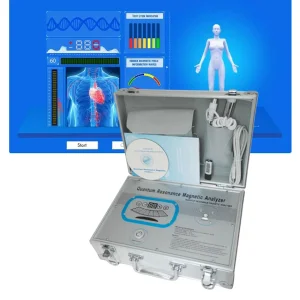
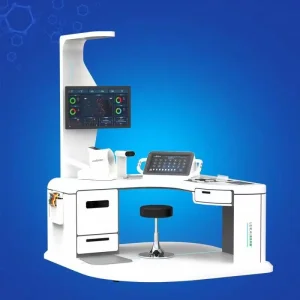
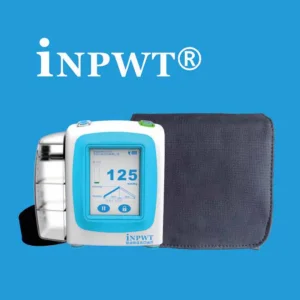
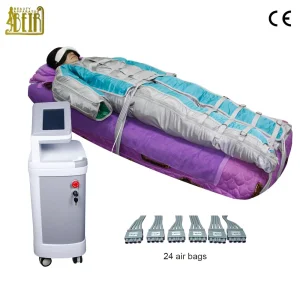
Explore our primary array of smart monitoring, electro-stimulation, and advanced lymphatic drainage terminals engineered for precision clinical workflow.
Analyzing B2B procurement vectors, integration standards, and macro-industrial healthcare challenges.
In modern digital health and inpatient environments, the paradigm of care coordination solutions has moved far beyond simple software workflows. As healthcare systems globally transition toward value-based care, care coordination now represents the seamless convergence of hardware interfaces, diagnostic endpoints, and telemetry nodes. Medical directors and enterprise buyers from North America, the European Union, and the Asia-Pacific region demand hardware components that connect patients to cloud-based monitoring portals. From self-service blood pressure kiosks in clinics to home-based physiotherapy devices linked through terminal protocols, the requirement is absolute: secure, reliable, and standardized data connectivity.
This integration facilitates continuous patient monitoring, allowing clinicians to make decisions based on real-time data. This lowers readmission rates, optimizes clinic throughput, and ensures compliant, high-efficacy treatment cycles. For international procurement agents and healthcare distributors, establishing a direct supply pipeline with an experienced ODM/OEM manufacturer in China is a strategic priority to remain competitive.
Most procurement agencies struggle with proprietary, closed-loop devices that isolate diagnostic data. By deploying open-protocol hardware (such as LoRa-enabled kiosks and clinical platforms utilizing standard UART/USB interfaces), healthcare enterprises can unify their data streams. This approach reduces overall system maintenance costs and guarantees long-term software compatibility across multiple clinics.
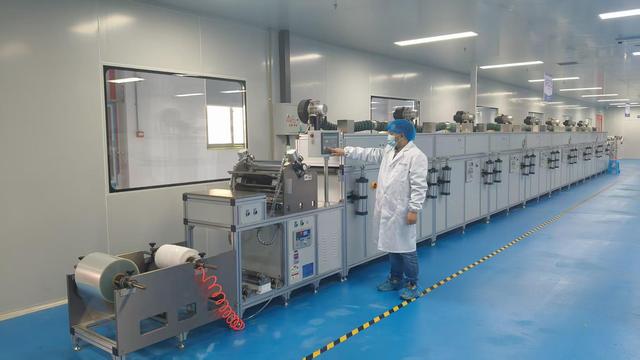
Deep dive into Hangzhou StavroCare Medical Co., Ltd.'s research, development, and quality-controlled facilities.
Hangzhou StavroCare Medical Co., Ltd. is a professional manufacturer specializing in advanced physiotherapy equipment and health assessment systems. With a strong focus on non-invasive therapy solutions, the company integrates research, development, production, and global distribution to deliver reliable medical technologies for modern healthcare needs.
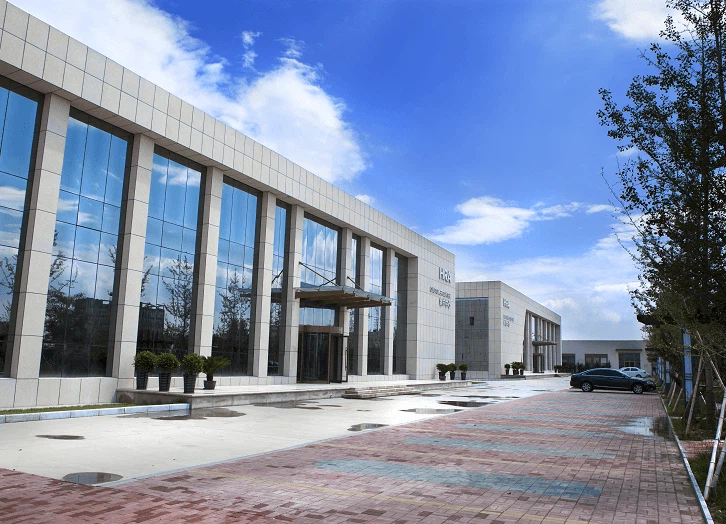
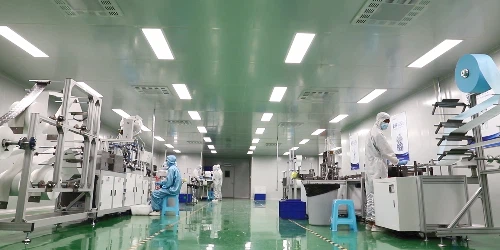
StavroCare is committed to innovation in rehabilitation and preventive healthcare. Its product portfolio includes physiotherapy devices, microcirculation improvement systems, magnetic therapy equipment, and intelligent health assessment platforms. Designed for hospitals, rehabilitation centers, and home care environments, these solutions aim to enhance treatment efficiency, improve patient outcomes, and support long-term wellness management.
Backed by an experienced engineering team and strict quality control standards, StavroCare ensures that every product meets international performance and safety requirements. The company continuously invests in advanced manufacturing technologies and digital healthcare integration, enabling smarter and more connected medical solutions.
With a customer-oriented approach, Hangzhou StavroCare Medical Co., Ltd. provides OEM and ODM services tailored to global partners, helping brands bring competitive and innovative healthcare products to market. Dedicated to quality, reliability, and continuous improvement, StavroCare is building its reputation as a trusted supplier in the global non-invasive medical device industry.
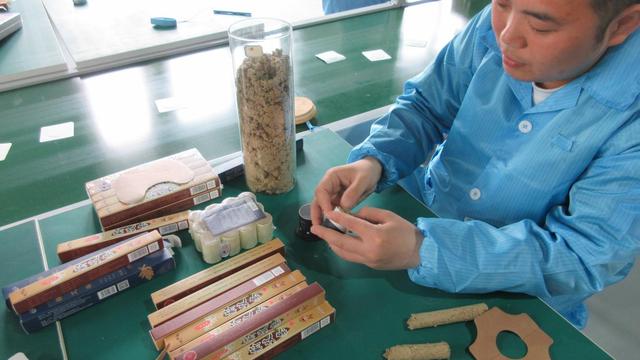
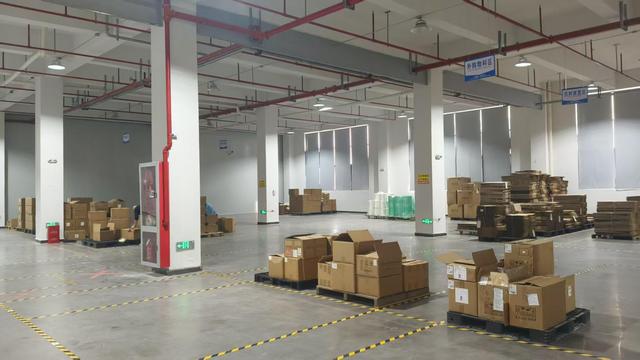
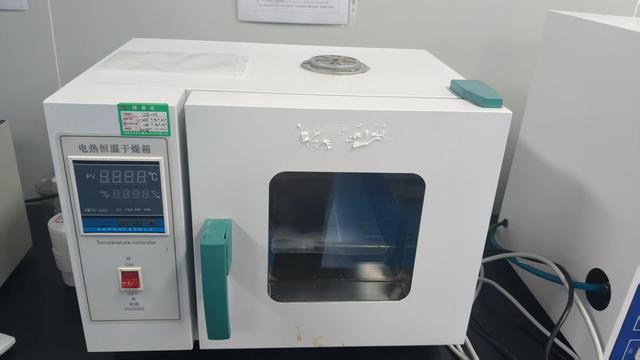
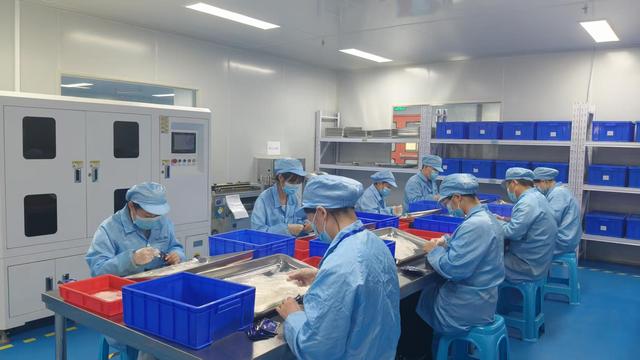
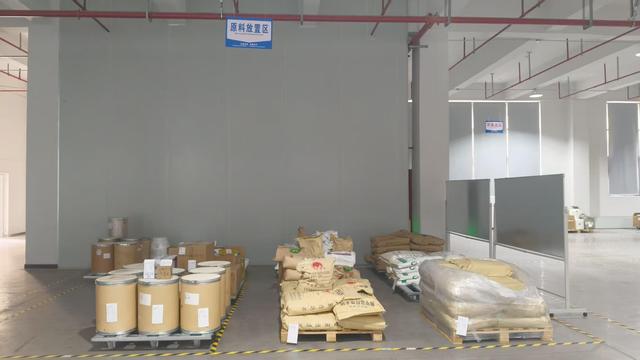
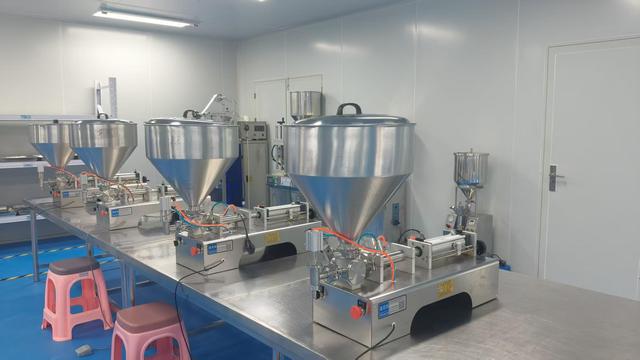
Discover how StavroCare integrates micro-controllers, wireless transceivers, and clinical telemetry interfaces.
StavroCare’s clinical hardware integrates advanced sensor networks with robust connectivity layers. Below is an engineering overview of how these devices interface within a broader care coordination system:
| Device / Component | Communication Protocol | Clinical Intent & Therapeutic Range | Security & Hardware Encryption |
|---|---|---|---|
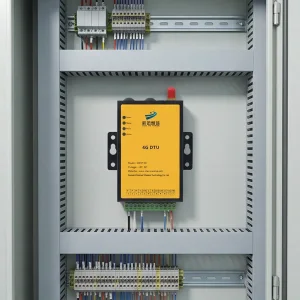
| LoRa Telemetry Terminals | LoRaWAN / ChirpStack Stack | Long-range sensor integration for decentralized clinics (up to 10km) | AES-128 Encryption Keys |
| Blood Pressure Kiosks | Modbus / RS232 / TCP-IP | Interactive user health assessment with instant clinical sync | Hardware Secure Element (SE) |
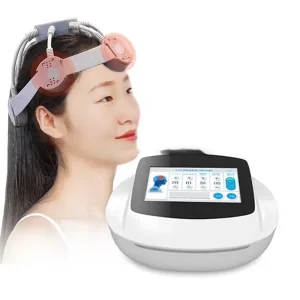
| RTMS Systems | Proprietary Microprocessor Link | Transcranial Magnetic Therapy (1Hz - 50Hz programmable frequency) | Galvanic Isolation Shielding |
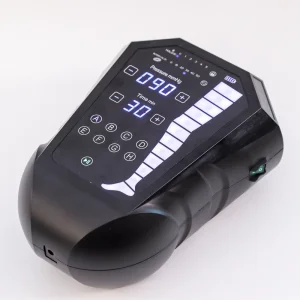
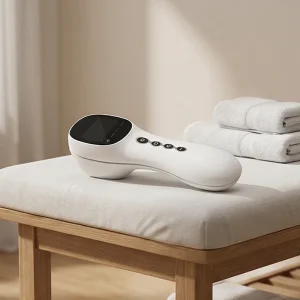
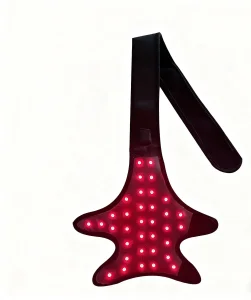
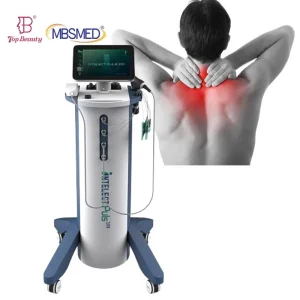
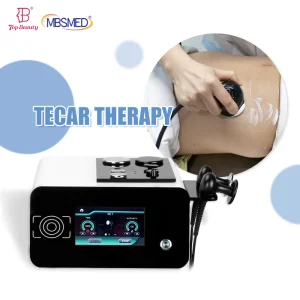
| Tecar / LLLT Units | SPI Bus / Low-latency USB | Targeted tissue stimulation (Tecar 448kHz; Laser 650nm/808nm) | Overcurrent Protection Circuitry |
Implementing 448kHz radio-frequency energy (Tecar) alongside dual-wavelength low-level lasers ensures deeper thermal and non-thermal cellular stimulation. By standardizing these physical therapeutic interfaces, healthcare administrators can manage and log treatments within the patient's EHR profile.
Securing market access through strict testing protocols, environmental safety, and regulatory compliance.
Our facilities comply with ISO 13485 (Medical Devices Quality Management Systems). We follow cleanroom assembly protocols, ensuring each diagnostic module, sensor array, and clinical terminal meets strict safety standards before shipping.
We support our partners with documentation for FDA registrations, CE MDR compliance, and other regional medical approvals. Our regulatory affairs team assists with compliance documentation to facilitate import procedures.
Every diagnostic unit undergoes computer-aided calibration to verify performance and accuracy. Sensors are calibrated against recognized reference sources to ensure reliable diagnostic tracking.
Direct technical and commercial answers for healthcare procurers, engineers, and distributors.
Discover our diagnostic analyzer modules, veterinary surgery systems, health monitoring kiosks, and focused energy therapies.
 StavroCare Medical