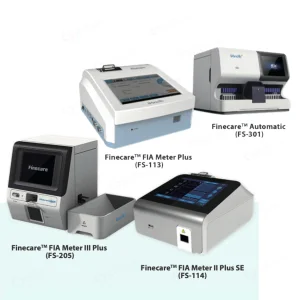
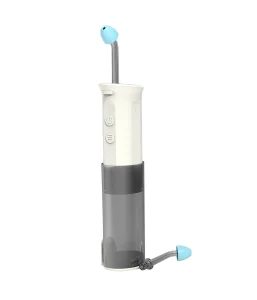
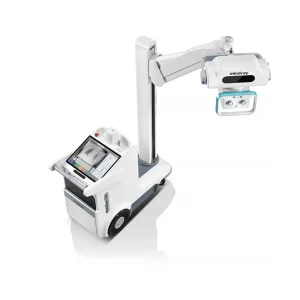
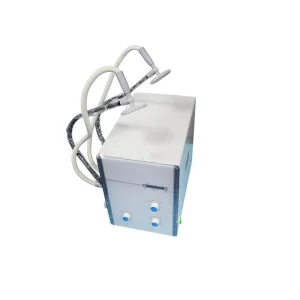
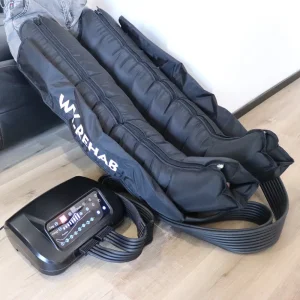
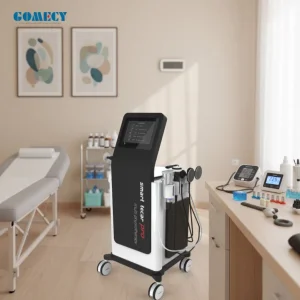
Explore our state-of-the-art medical devices engineered for muscle recovery, pain relief, and intelligent physiological assessment.
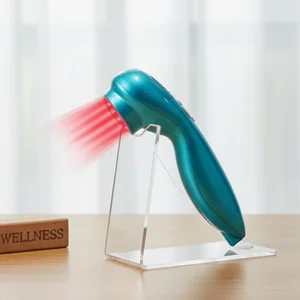
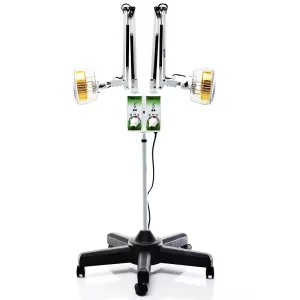
An authoritative deep-dive into electrotherapeutic parameters, global standards, and supply chain strategies.
Neuromuscular Electrical Stimulation (NMES) involves the application of controlled electrical currents to stimulate peripheral nerves, prompting muscle contraction. In contrast to Transcutaneous Electrical Nerve Stimulation (TENS), which targets sensory nerves to modulate pain pathways, NMES acts directly on motor neurons. This is highly effective in counteracting muscle atrophy, retraining motor skills, and accelerating local circulation.
For procurement managers and clinical distributors, evaluating NMES factories requires analyzing key electronic engineering parameters: pulse width (typically 50 to 400 microseconds), output intensity (up to 100 mA), and frequency (ranging from 1 to 120 Hz). These parameters must be generated by high-tolerance components to ensure patient safety and avoid skin burns or waveform distortion.
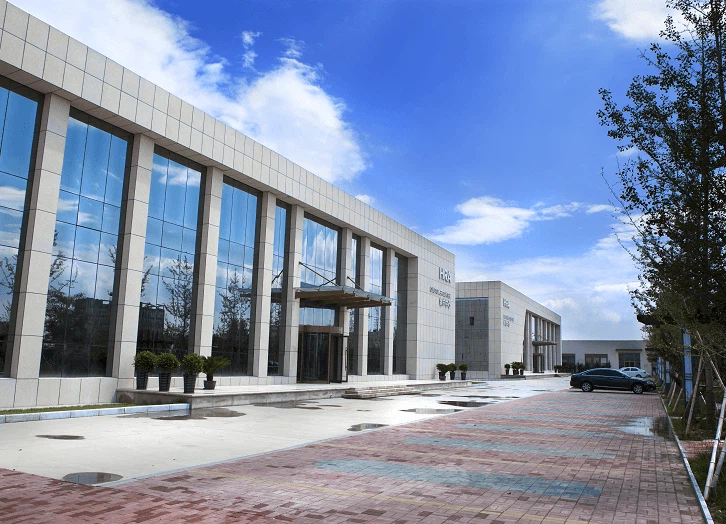
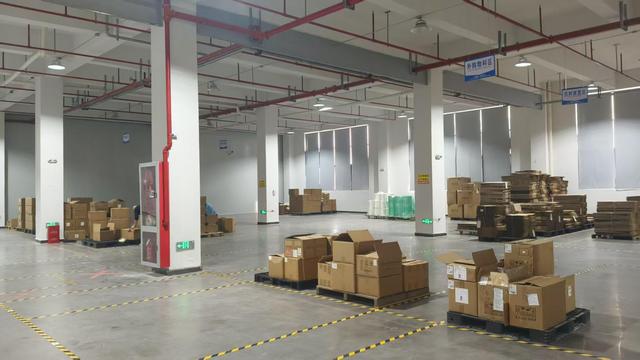
Hangzhou StavroCare Medical Co., Ltd. is a professional manufacturer specializing in advanced physiotherapy equipment and health assessment systems. With a strong focus on non-invasive therapy solutions, the company integrates research, development, production, and global distribution to deliver reliable medical technologies for modern healthcare needs.
StavroCare is committed to innovation in rehabilitation and preventive healthcare. Our product portfolio includes physiotherapy devices, microcirculation improvement systems, magnetic therapy equipment, and intelligent health assessment platforms. Designed for hospitals, rehabilitation centers, and home care environments, these solutions aim to enhance treatment efficiency, improve patient outcomes, and support long-term wellness management.
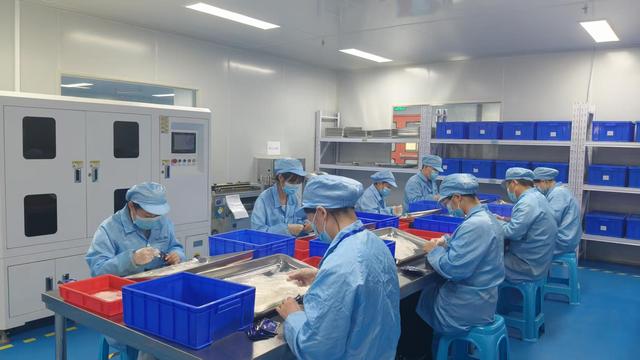
Backed by an experienced engineering team and strict quality control standards, StavroCare ensures that every product meets international performance and safety requirements. The company continuously invests in advanced manufacturing technologies and digital healthcare integration, enabling smarter and more connected medical solutions.
With a customer-oriented approach, Hangzhou StavroCare Medical Co., Ltd. provides OEM and ODM services tailored to global partners, helping brands bring competitive and innovative healthcare products to market. Dedicated to quality, reliability, and continuous improvement, StavroCare is building its reputation as a trusted supplier in the global non-invasive medical device industry.
Analyzing the cost, technology, and supply chain dynamics of Chinese medical manufacturing clusters.
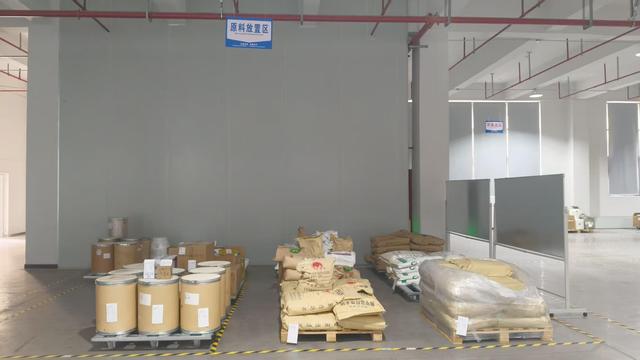
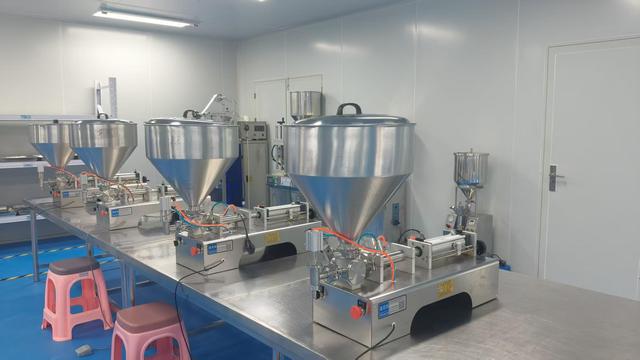
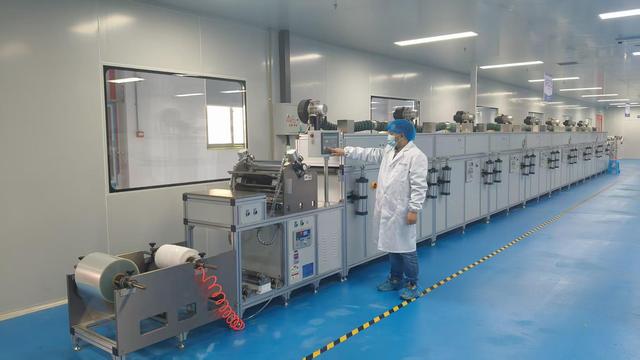
From injection-molded chassis and SMT (Surface Mount Technology) circuit boards to custom biocompatible hydrogel electrodes, our integrated industrial ecosystems in China reduce production cycle times by up to 40% compared to Western manufacturers.
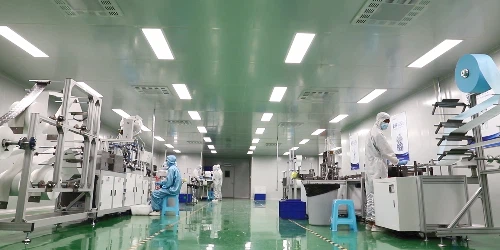
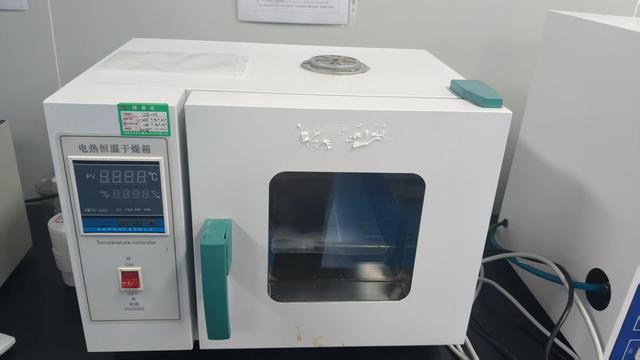
Top-tier Chinese medical factories operate under rigorous quality management structures, including ISO 13485:2016. Every unit undergoes automated aging trials, electrical leakage protection tests, and frequency accuracy verification before packaging.
We provide full hardware-level and software-level customization, including customized SDKs for smart apps, custom casing designs, dual-channel or quad-channel configurations, and tailored frequency settings to meet local market needs.
Navigating the complex landscape of international medical device approvals and local standards.
To legally import and market electrotherapy devices, compliance with regional regulatory structures is essential. The global medical regulatory landscape has evolved, requiring robust clinical documentation and verification of safety protocols.
For the US market, NMES and TENS devices are classified as Class II medical products. Sourcing partners must secure a 510(k) clearance, demonstrating substantial equivalence to a legally marketed predicate device. Additionally, the manufacturing plant must be registered with the FDA, and its QMS must comply with 21 CFR Part 820.
Under the EU Medical Device Regulation (MDR 2017/745), active therapeutic devices such as electrical stimulators require Class IIa or IIb certification. Manufacturers must provide comprehensive clinical evaluation reports (CER), implement post-market surveillance (PMS) plans, and secure certification from a designated Notified Body.
Entering markets in Latin America, Southeast Asia, or the Middle East requires compliance with local regulatory frameworks. We support these registrations by providing complete technical dossiers, including electromagnetic compatibility (EMC) test reports (IEC 60601-1-2) and biocompatibility test results (ISO 10993).
How our electrotherapy and assessment systems fit into modern clinical settings and home healthcare.
Used in physical therapy clinics to treat muscle atrophy resulting from strokes, spinal injuries, or orthopedic surgeries, helping patients rebuild strength and mobility.
Utilized by athletic trainers and sports clubs to speed up lactate clearance, reduce post-workout muscle fatigue, and support targeted muscle development.
Implemented in senior care centers to counter sarcopenia, maintain joint stability, and improve peripheral circulation through safe, non-invasive stimulation.
Enabling patients to monitor their health parameters and continue prescribed physical therapy at home, supported by clear user guides and remote tracking.
Technological developments transforming the design and function of neuromuscular devices.
The global electrotherapy industry is moving toward more personalized, data-integrated treatment options. Modern NMES devices are evolving from simple pulse generators into smart systems that adjust output based on real-time physiological feedback.
Get authoritative answers on technical details, manufacturing capabilities, and sourcing logistics.
Enhance your product offerings with our clinical-grade diagnostic tools and specialized personal care hardware.
 StavroCare Medical