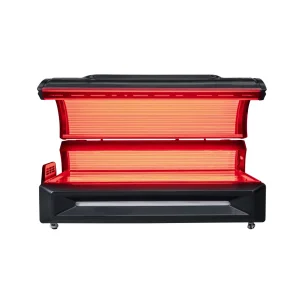
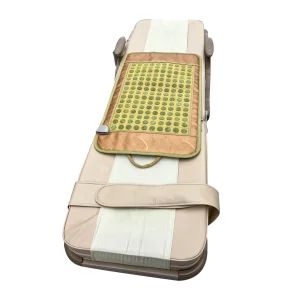
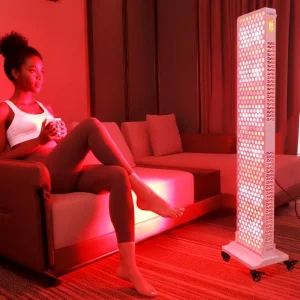
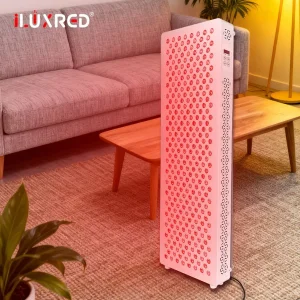
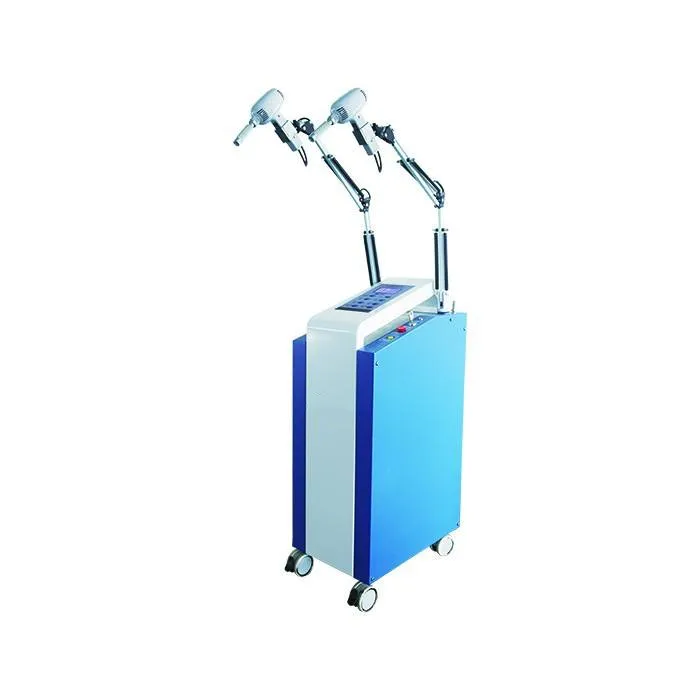
Phototherapy 660nm & 850nm Infrared Polarized Light Therapy Device
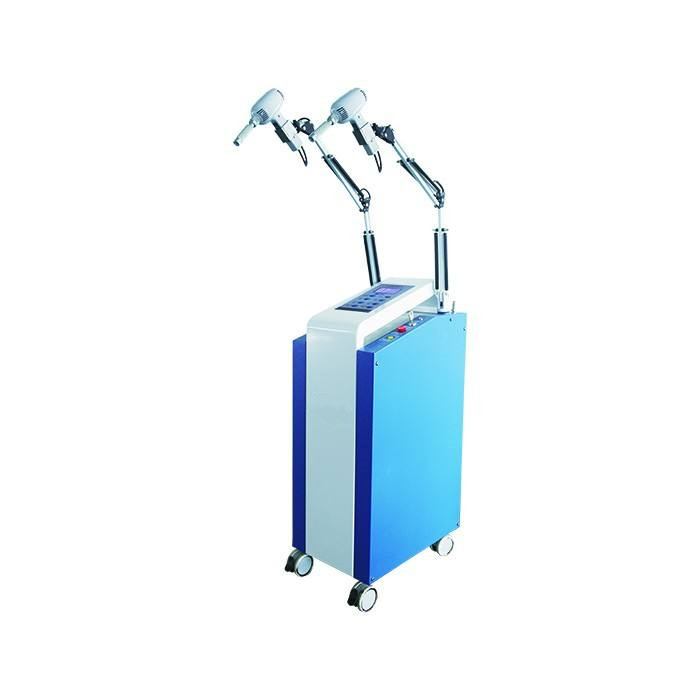
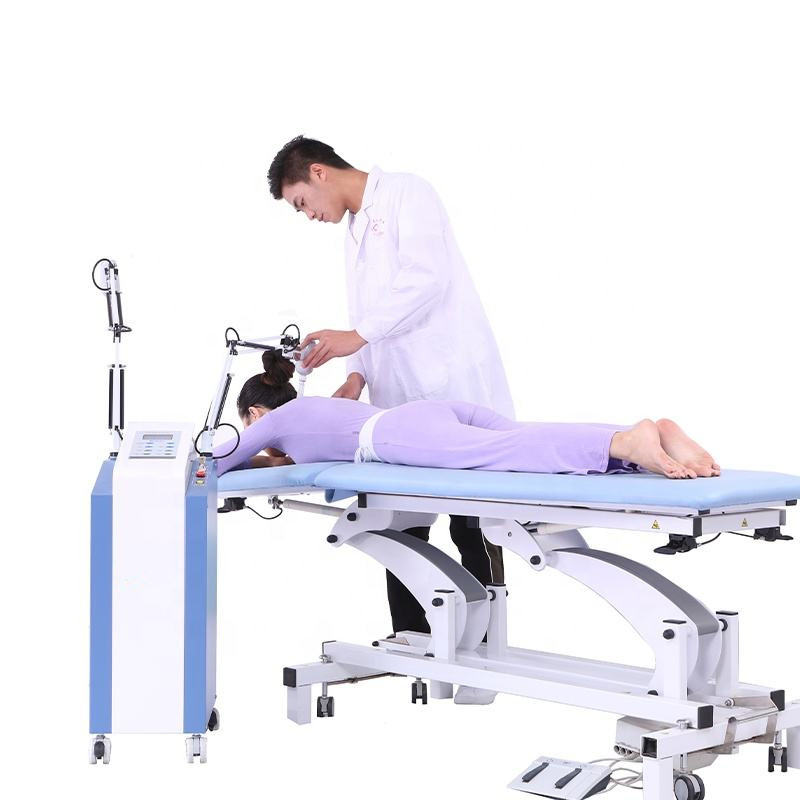
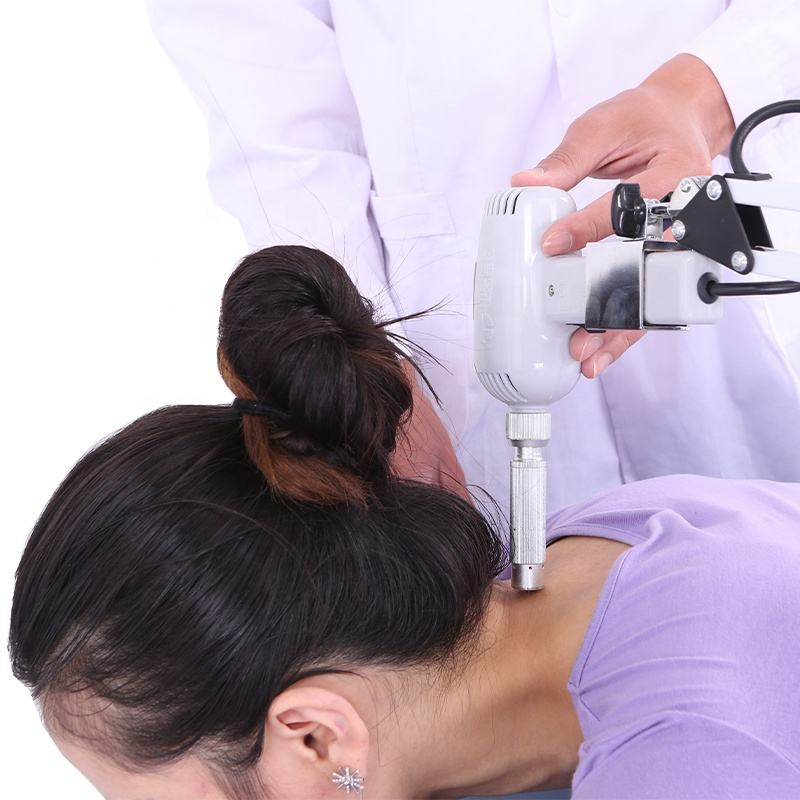
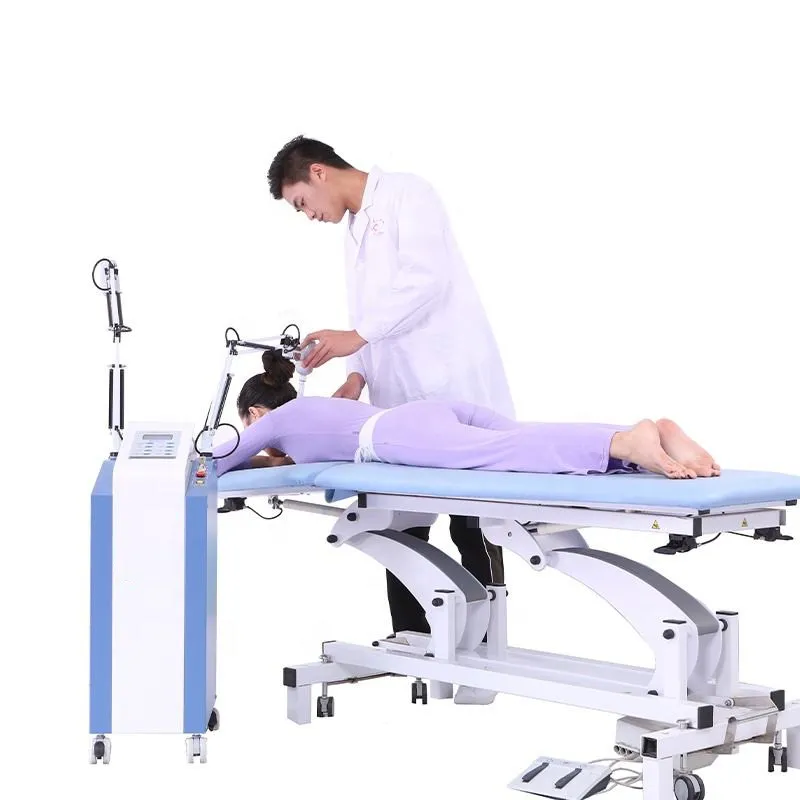
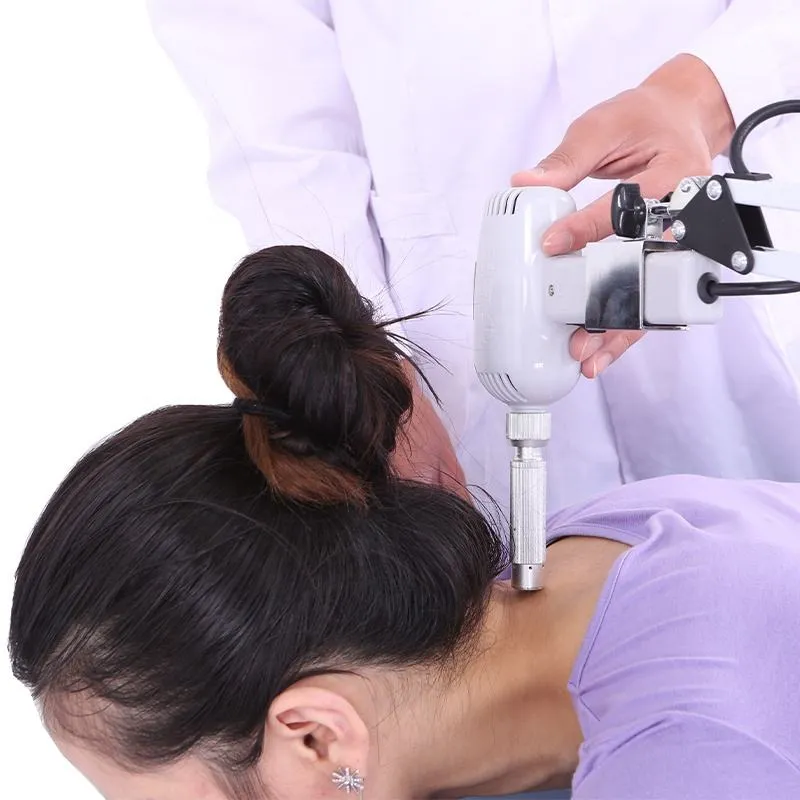
Infrared polarized light therapy is controlled by a microcomputer and converts electric energy into light energy. It is primarily used for human body surface irradiation and is highly effective for the auxiliary treatment of pain caused by rheumatoid arthritis.
🚀 Key Advantages
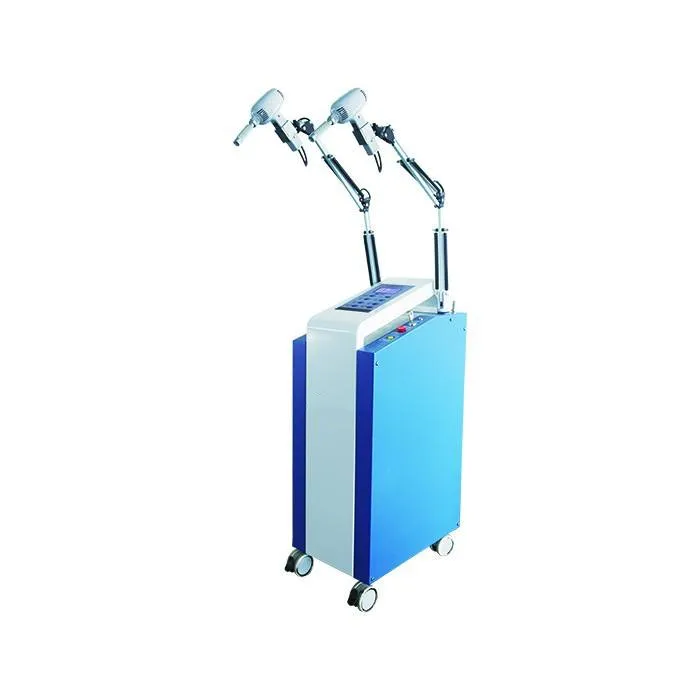
Two-way point output with independent control systems.
Strong penetration depth reaching up to 5-7cm into tissues.
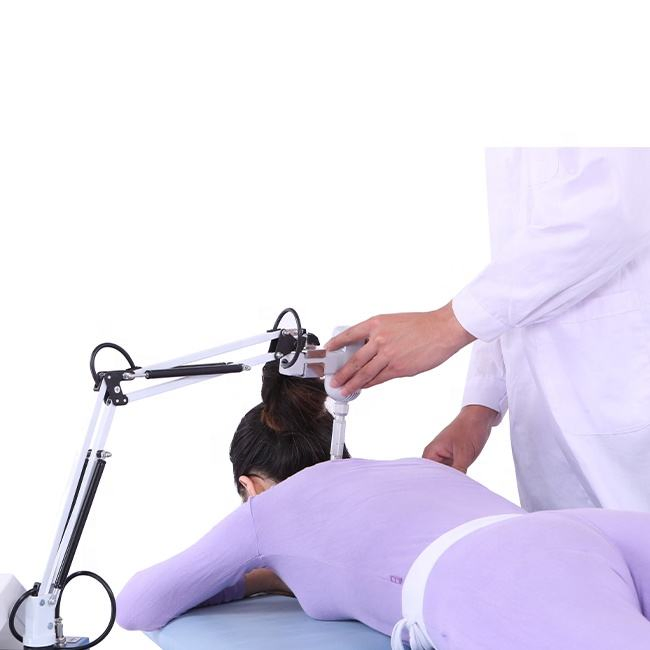
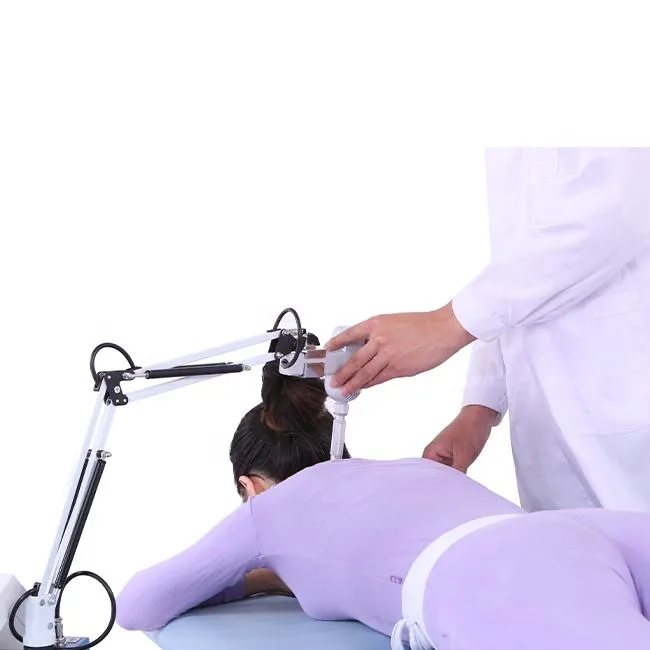
Intelligent control system with a humanized support arm offering 360-degree rotation.
🩺 Scope of Application
Designed for the treatment of cervical spondylosis, lumbar disc protrusion, osteoarthritis, and neuropathic pain. It is also applicable for soft tissue injury, frozen shoulder, neck myofasciitis, knee joint disease, tennis elbow, tenosynovitis, peripheral facial paralysis, and post-neuralgia. Additionally, it aids in treating migraine, brain injury, ischemic encephalopathy, diabetic peripheral neuropathy, wound infection, pressure sores, and even promotes recovery from neurasthenia or intractable insomnia.
⚠️ Contraindications
(1) Patients with severe dementia;
(2) Pain caused by malignant tumors;
(3) Patients with conscious or cognitive impairment;
(4) Patients with severe depression and anxiety;
(5) Patients with serious primary diseases of the heart, liver, kidney, or endocrine system.
Frequently Asked Questions
Q1: How deep does the infrared light penetrate?
The device features strong penetration capability, reaching an effective tissue depth of up to 5-7cm.
Q2: What are the primary wavelengths used in this therapy?
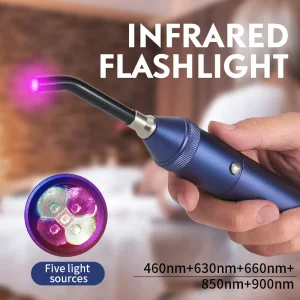
The device utilizes 660nm and 850nm infrared polarized light for optimal phototherapy results.
Q3: Is the device easy to adjust during treatment?
Yes, it features a humanized support arm that allows for 360-degree rotation, making it easy to position for various body parts.
Q4: Can this device be used at home?
Yes, it is designed for use in rehabilitation centers, hospitals, and for home-based therapy due to its portable features.
Q5: What conditions is this device most suitable for?
It is widely used for pain management in rheumatoid arthritis, cervical spondylosis, lumbar issues, and various neuropathic pains.
Q6: Are there any specific safety warnings?
Patients with severe dementia, malignant tumors, or serious organ failures (heart, liver, kidney) should avoid using this device.