

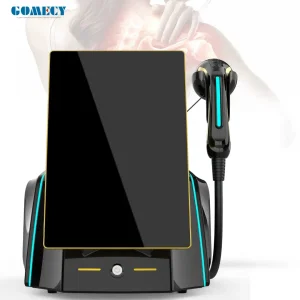
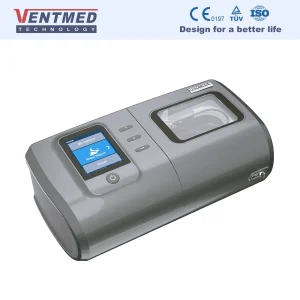
The paradigm of global healthcare is shifting from centralized treatment platforms to decentralized, home-based health ecosystems. The rise of in-home testing kits and advanced physiotherapy appliances is not merely a transient consumer trend; it represents a major restructuring of chronic disease management, preventative health screening, and outpatient clinical care. Driven by rising healthcare costs, aging populations, and the accessibility of connected IoT medical hardware, global B2B procurement teams, medical distributors, and public health departments are continuously looking for scalable diagnostic systems that meet clinical standards.
In this shifting market, China has transitioned from a basic high-volume assembler to a key global center for high-tech medical engineering. Modern Chinese factories provide significant structural advantages: deep supply chain integration, precision engineering, and specialized capabilities in digital healthcare. This report examines the specific advantages that make China the primary partner for global procurement of home diagnostic, screening, and therapy systems.
The concentration of medical device engineering in key industrial zones like Zhejiang, Jiangsu, and Guangdong gives Chinese factories an unmatched operational advantage. Unlike fragmented manufacturing systems elsewhere, these clusters integrate raw material suppliers, chip micro-fabricators, clinical validation facilities, and international logistics providers within small geographical areas.
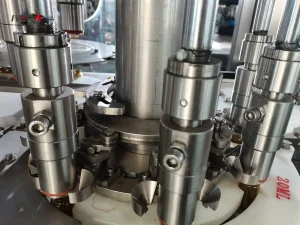
By managing production from basic raw materials (medical plastics, optical lenses, custom sensors) to final casing design, Chinese factories can scale quickly and keep production costs highly competitive.
Top suppliers maintain cleanroom facilities that comply with ISO 13485, producing products that consistently meet international standards like CE, FDA, FCC, and ETL.
Engineers can rapidly translate client design requests into working electronic prototypes. This speed reduces time-to-market for complex multi-wavelength systems and digital analyzers.
Global B2B procurement requires strict adherence to international regulatory standards. Delivering health assessment devices and home diagnostics to regulated jurisdictions requires a thorough compliance framework:
Leading exporters implement strict traceability protocols throughout production, from tracking raw material batches to verifying final product calibration, ensuring compliance and minimizing import risks for overseas buyers.
Confirm the validity and scope of the supplier's Quality Management System certificate.
Match test reports for LVD, EMC, and RoHS with the specific models being purchased.
Verify that the producing factory matches the name on the regulatory certificates.
Standard, off-the-shelf devices rarely meet all local marketing requirements. To build a strong brand presence in competitive healthcare markets, global buyers often need tailored solutions. China's top medical manufacturers offer extensive OEM and ODM customization services:
Includes custom case tooling, tailored wavelength integration for LED phototherapy arrays, custom sensor layouts, and branded product styling.
Provides localized software translations (UI, reports), custom integration with external EHR/EMR clinical databases, and branded screen designs.
Provides retail-ready packaging box designs, multi-language user manuals, quick-start guides, and regulatory warning labels tailored to specific regional requirements.
Professional-grade medical devices and diagnostic analyzers are used across a wide range of settings, demonstrating their versatility and reliability.
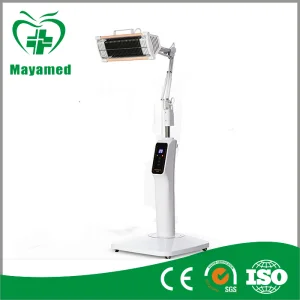
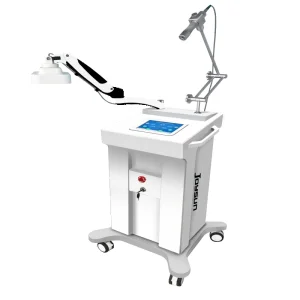
Providing advanced shockwave, laser, and lymphatic drainage therapies to help patients recover faster from injuries and surgical procedures.
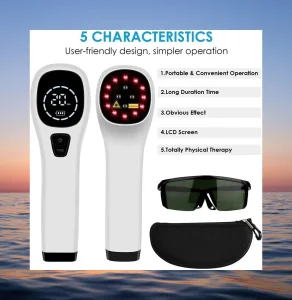
Enabling patients with chronic respiratory issues or persistent pain to manage their treatments safely at home using CPAP systems and targeted phototherapy.
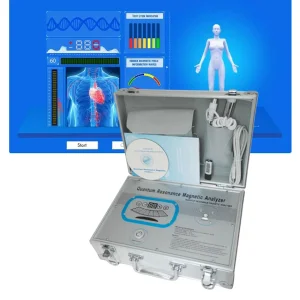
Supporting employee health programs and preventive screenings with rapid quantum resonance scans and body composition analysis.
Hangzhou StavroCare Medical Co., Ltd. is a professional manufacturer specializing in advanced physiotherapy equipment and health assessment systems. With a strong focus on non-invasive therapy solutions, the company integrates research, development, production, and global distribution to deliver reliable medical technologies for modern healthcare needs.

StavroCare is committed to innovation in rehabilitation and preventive healthcare. Its product portfolio includes physiotherapy devices, microcirculation improvement systems, magnetic therapy equipment, and intelligent health assessment platforms. Designed for hospitals, rehabilitation centers, and home care environments, these solutions aim to enhance treatment efficiency, improve patient outcomes, and support long-term wellness management.
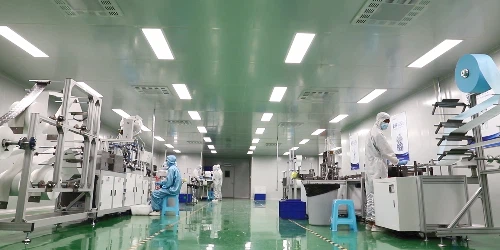
Backed by an experienced engineering team and strict quality control standards, StavroCare ensures that every product meets international performance and safety requirements. The company continuously invests in advanced manufacturing technologies and digital healthcare integration, enabling smarter and more connected medical solutions.
With a customer-oriented approach, Hangzhou StavroCare Medical Co., Ltd. provides OEM and ODM services tailored to global partners, helping brands bring competitive and innovative healthcare products to market. Dedicated to quality, reliability, and continuous improvement, StavroCare is building its reputation as a trusted supplier in the global non-invasive medical device industry.
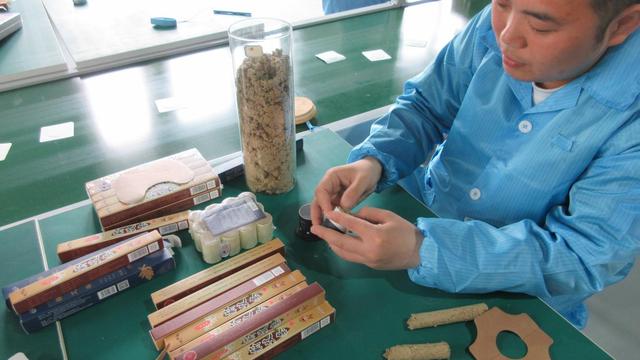
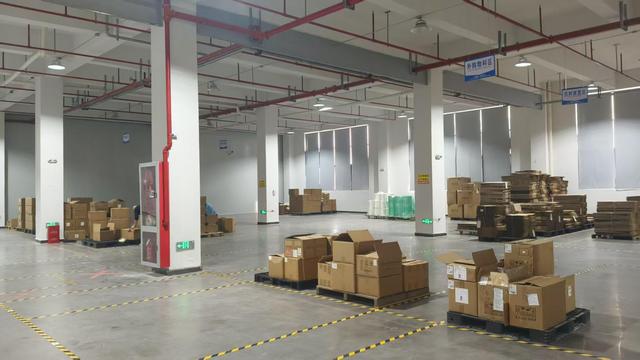
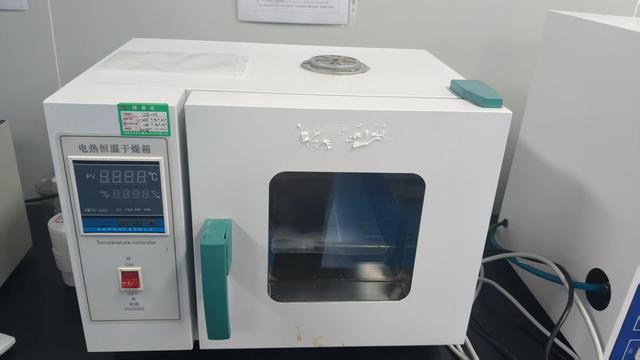
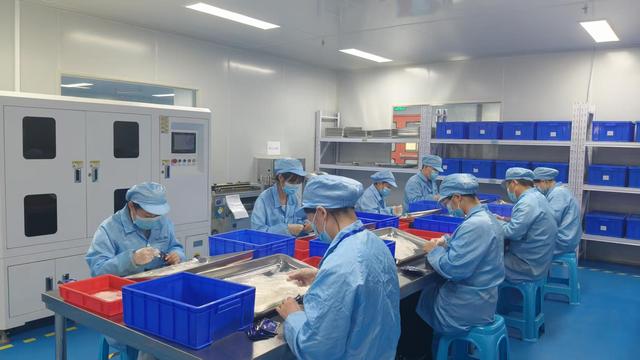
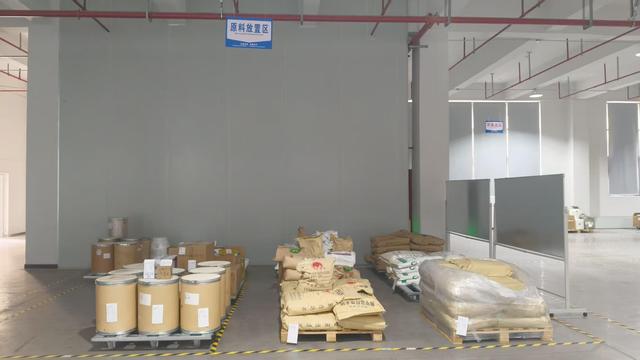
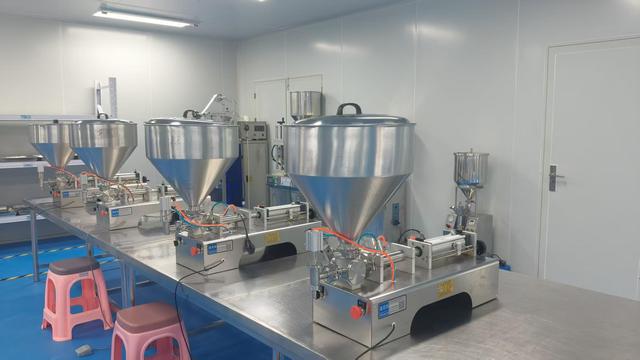
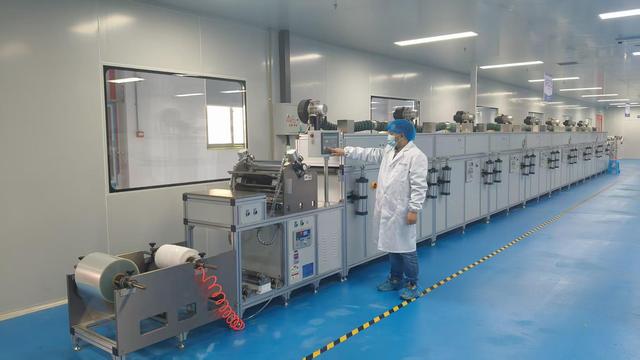
Verification relies on three main pillars: confirming ISO 13485 certification, inspecting calibration reports, and validating clinical test data. B2B buyers should request third-party audits of the production facilities and verify that all test documents (EMC, LVD, RoHS) match the relevant models.
Quality manufacturers use specialized calibration systems that match international standards. For laser and light therapy equipment, spectrometers measure exact wavelength outputs. For physical assessment equipment (like body composition analyzers), standard calibration targets verify electrical impedance readings before the units leave the factory.
Standard OEM orders (with custom branding and packaging) typically require 30 to 45 days. More complex ODM orders, which involve custom molding, PCB modifications, and localized software configurations, may take 90 to 120 days, depending on regulatory testing requirements.
Exporters assist with the necessary documentation, including MSDS for products with integrated batteries, Certificate of Origin documents, HS code classification, and export declarations. This comprehensive support helps ensure smooth customs clearance at destination ports.


Discuss your specific custom design needs, volume discounts, or regulatory documentation requirements with our experienced technical engineering team.
Request a B2B Consultation StavroCare Medical