Explore high-performance medical and wellness hardware designed for seamless digital platform integration.
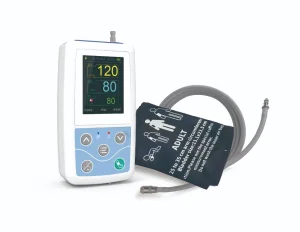
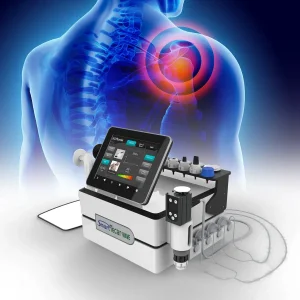
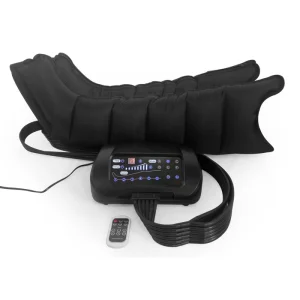
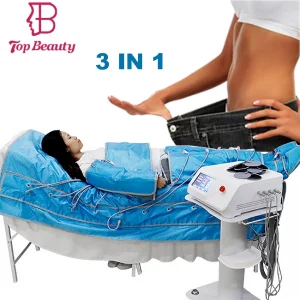
The global digital health revolution has transitioned from simple fitness tracking applications to complex, multi-layered wellness coaching ecosystems. Wellness coaching software acts as the cognitive center, processing user behavior, wellness history, and biofeedback. However, software alone cannot achieve clinical precision or physiological rehabilitation without physical endpoints. This realization has driven top-tier platform operators, corporate wellness institutions, and healthcare clinics to seek integrated software-hardware synergistic manufacturing partners.
Modern wellness platforms require raw data stream connectivity (ECG, PPG, SpO2, and bioimpedance) to fuel algorithmic scoring systems. A software application's value is directly tied to the validity and clinical calibration of the hardware interfaces feeding it. Therefore, finding a supplier that offers both robust manufacturing capability and programmable software interfaces (such as Custom SDKs and API layers) has become the gold standard for global procurement departments.
In compiling the global benchmarks for the Top 10 Wellness Coaching Software Factories and Hardware Suppliers, several critical components must be analyzed under the lenses of Google's E-E-A-T guidelines (Experience, Expertise, Authoritativeness, and Trustworthiness):
Production facilities must carry FDA clearance, CE certifications, and ISO 13485 (Medical Devices Quality Management Systems) credentials. Trust in the wellness sector starts with physical and data safety compliance.
Top factories do not offer locked ecosystems. They supply well-documented Custom SDKs, Bluetooth APIs, and custom firmware modules to allow coaching platform developers to integrate the hardware easily.
Seamless execution of OEM/ODM operations, custom color-matching, casing design, firmware branding, and custom packaging, ensuring the hardware perfectly represents the software vendor's brand identity.
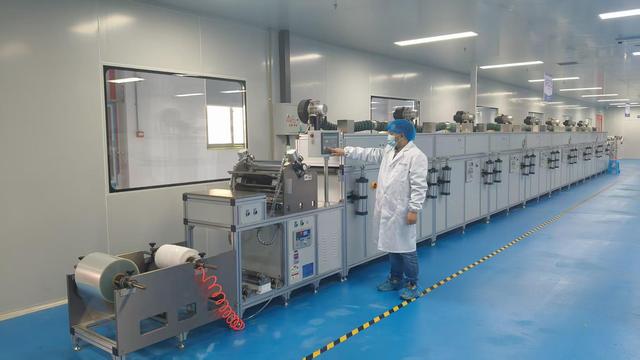
Standing at the forefront of the integration between hardware therapy systems and digital platform administration is Hangzhou StavroCare Medical Co., Ltd. As a professional manufacturer specializing in advanced physiotherapy equipment and health assessment systems, StavroCare bridges the gap between hardware engineering and intelligent wellness platform ecosystems.
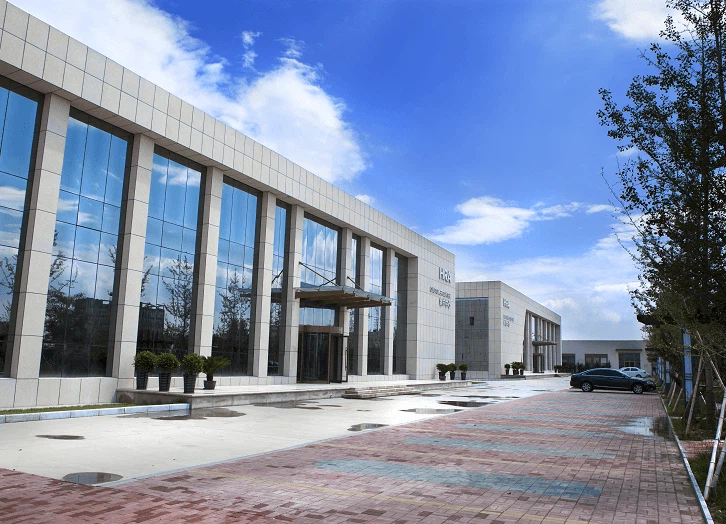
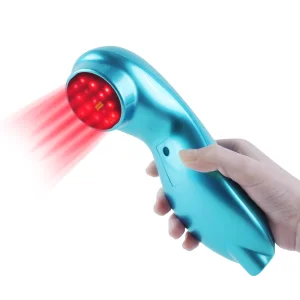
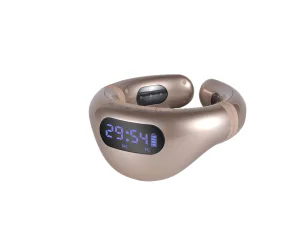
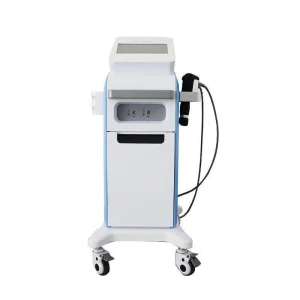
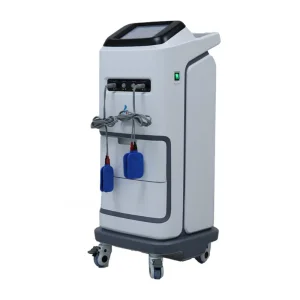
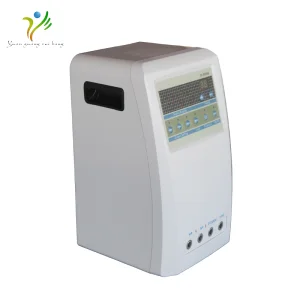
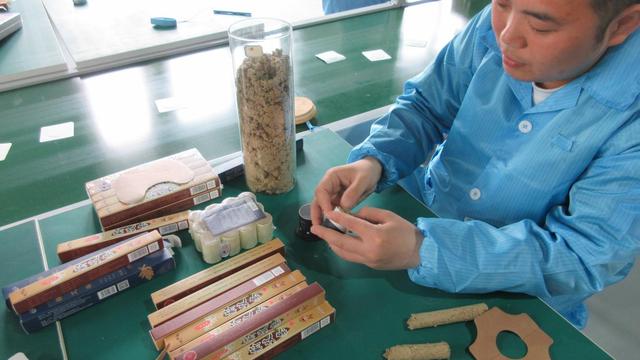
StavroCare focuses heavily on non-invasive therapy solutions, integrating research, development, production, and global distribution to deliver reliable medical technologies for modern healthcare needs. Their product suite includes physiotherapy devices, microcirculation improvement systems, magnetic therapy equipment, and intelligent health assessment platforms. This diverse range is highly optimized for software-based digital health dashboards used by coaching franchises, corporate wellness groups, and rehabilitation centers globally.
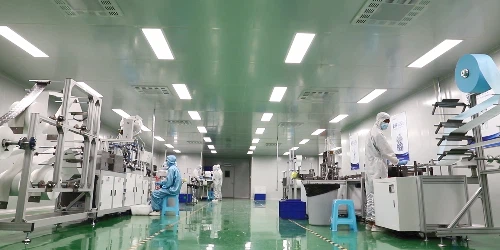
Backed by an experienced engineering team and strict quality control standards, StavroCare ensures that every product meets international performance and safety requirements. The company continuously invests in advanced manufacturing technologies and digital healthcare integration, enabling smarter and more connected medical solutions. With a customer-oriented approach, Hangzhou StavroCare Medical Co., Ltd. provides comprehensive OEM and ODM services tailored to global partners, helping brands bring competitive and innovative healthcare products to market.
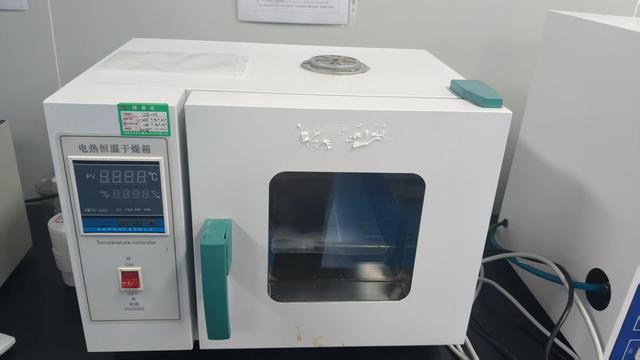
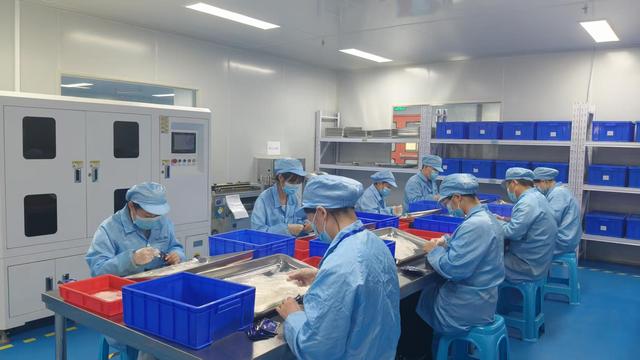
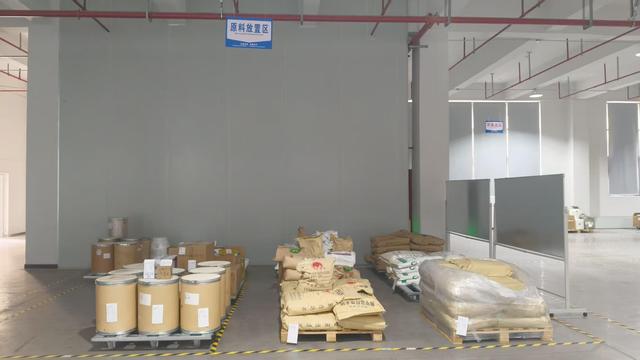
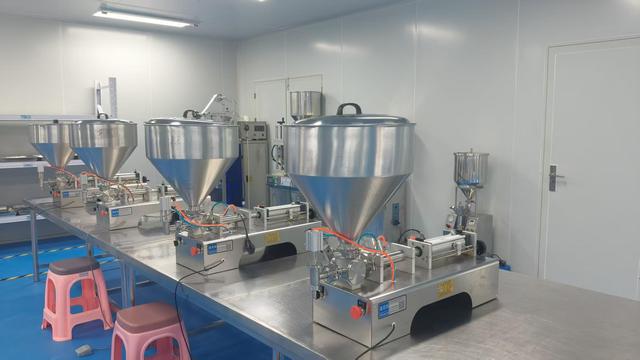
The integration of wellness coaching platforms with medical-grade hardware functions differently across geographic regions, governed by culture, business environments, and policy landscapes:
When considering the industrial base for digital health and therapeutic hardware, China remains the global epicentre of innovation, agility, and cost-efficiency. Several factors give Chinese suppliers like StavroCare an absolute competitive edge:
1. Complete Industrial Ecosystems: The proximity of raw raw-material suppliers, chip fabricators, injection molding facilities, and medical-grade calibration labs guarantees rapid prototyping cycles. What takes months in other regions can be iterated and validated in weeks.
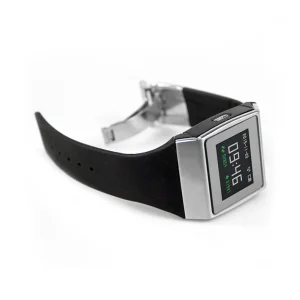
2. Scale Flexibility: Chinese manufacturing operations can scale seamlessly from high-mix, low-volume (HMLV) specialized products to massive consumer-oriented smartwatch productions.
3. Cost-Quality Optimization: State-of-the-art automated testing and assembly, paired with optimized supply routes, ensure that products are built to strict global tolerances (complying with CE, FDA, FCC, and RoHS standards) while maintaining accessible pricing structures.
Looking ahead to the next five years (2025-2030), the wellness coaching software and integrated hardware sectors will be defined by three key technological shifts:
Wearables and diagnostic equipment will process biometrics locally on low-power chips, providing instant biofeedback warning signals without depending on continuous cloud connectivity.
Future devices will transition beyond PPG and basic ECG sensors to include non-invasive continuous glucose monitoring, hydration tracking, and lactate threshold estimation.
The separation between wellness applications and hospital Electronic Health Records (EHR) will blur. Open FHIR standards will permit direct data transmission from home physical therapy setups to clinical teams.
Discover clinical-grade diagnostics, IoT monitoring trackers, and physical therapy equipment designed for next-level wellness platforms.
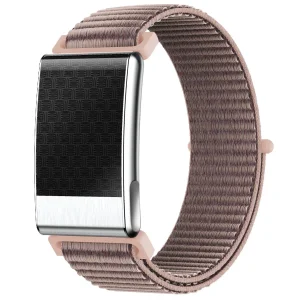
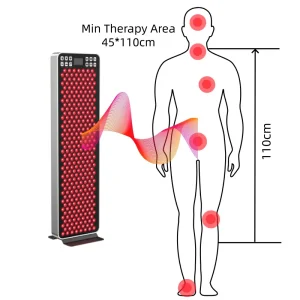
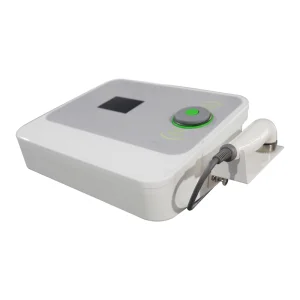
Integrating hardware into complex client-facing wellness systems presents challenges in localization, connectivity, and regulatory compliance. Professional organizations require partners who can manage compliance documentation across jurisdictions. This involves securing HIPAA and GDPR data privacy frameworks alongside device certification processes like FDA 510(k), CE mark under MDR, and general electromagnetic compliance (EMC).
Additionally, maintaining technical support operations with localized depots and multilingual engineers minimizes down-time for medical and coaching organizations. Ensuring SDKs receive long-term updates protects buyers from future platform-breaking OS updates on iOS or Android devices.
Answers to complex software-hardware integration, security, and global shipping processes.
 StavroCare Medical