🚀 Product Description
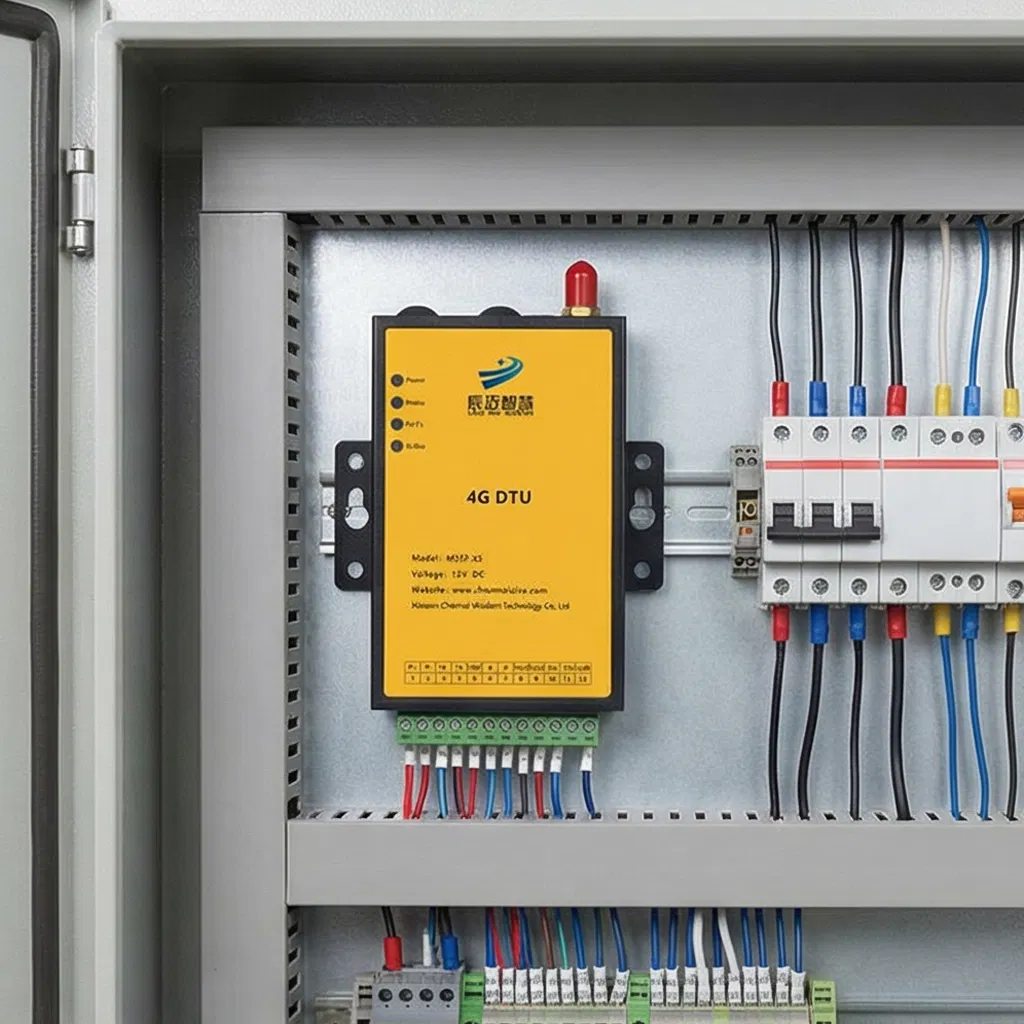
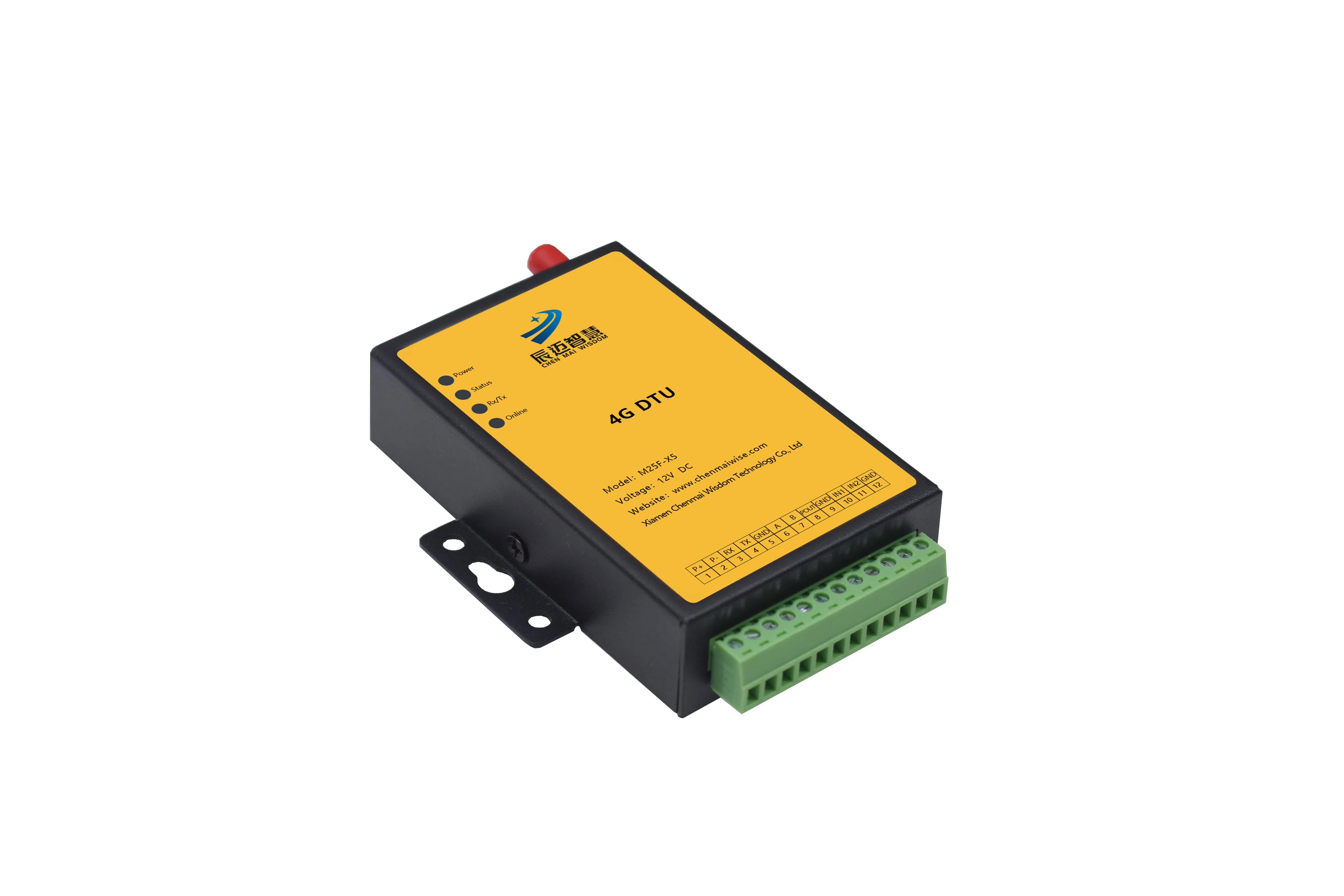
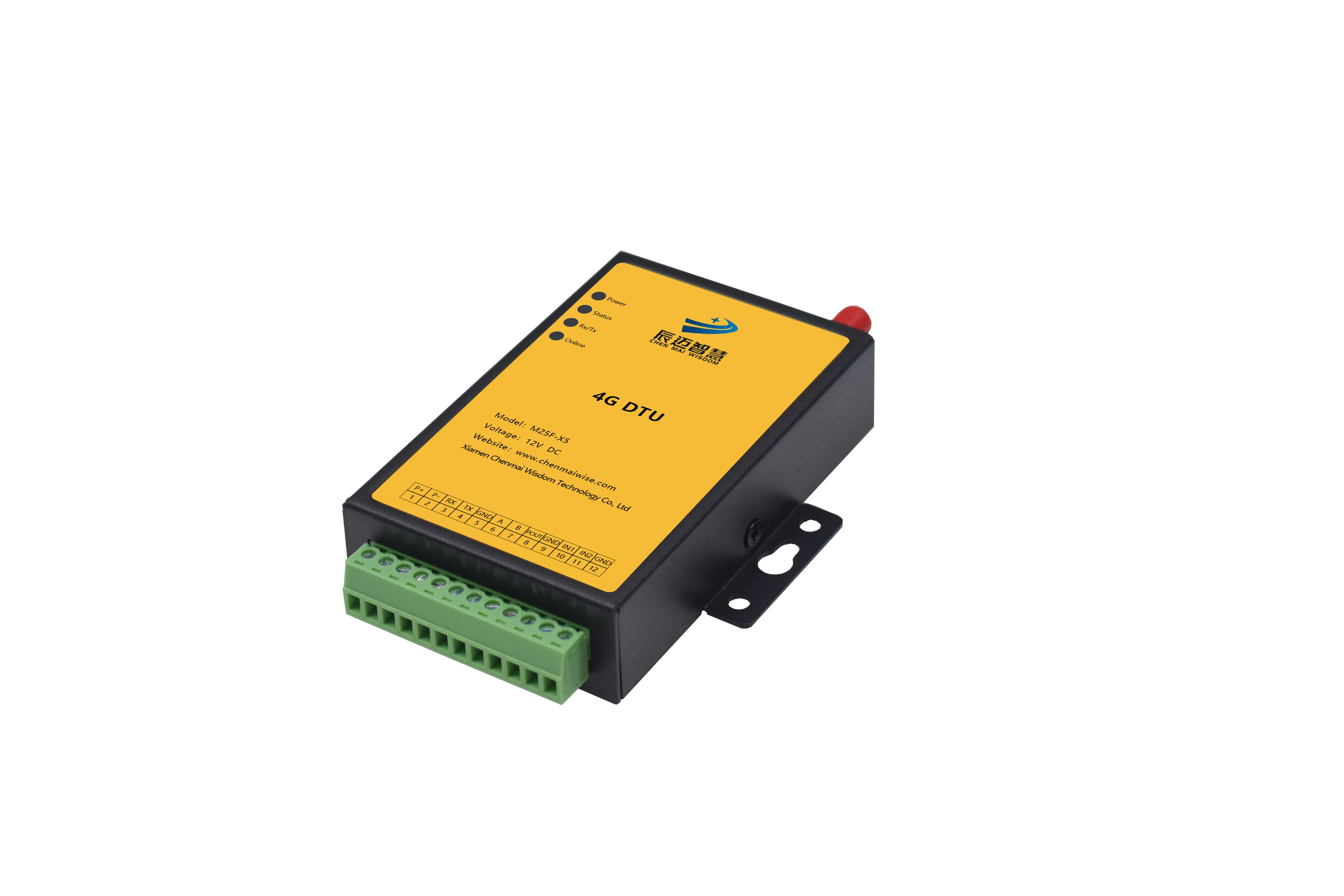
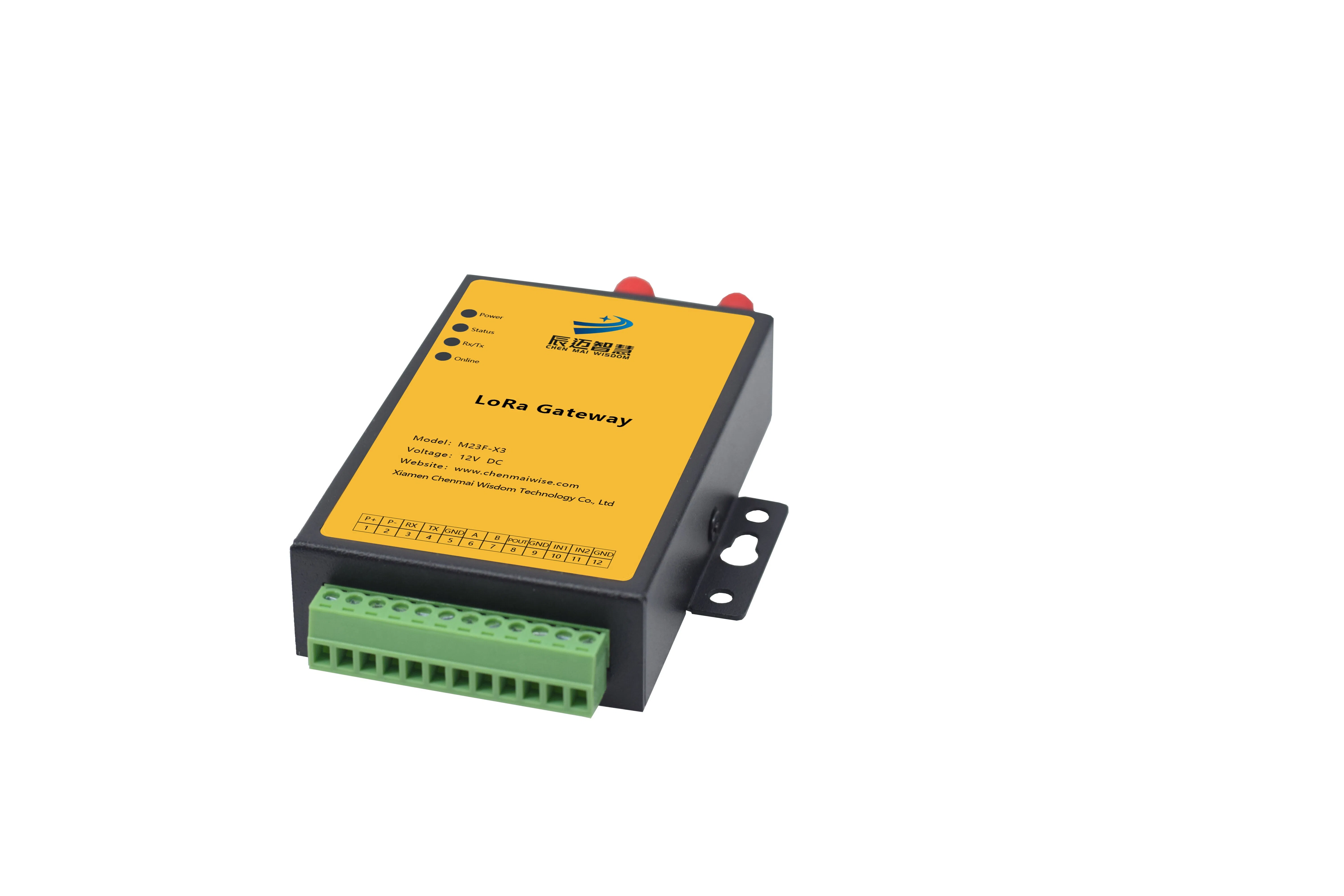
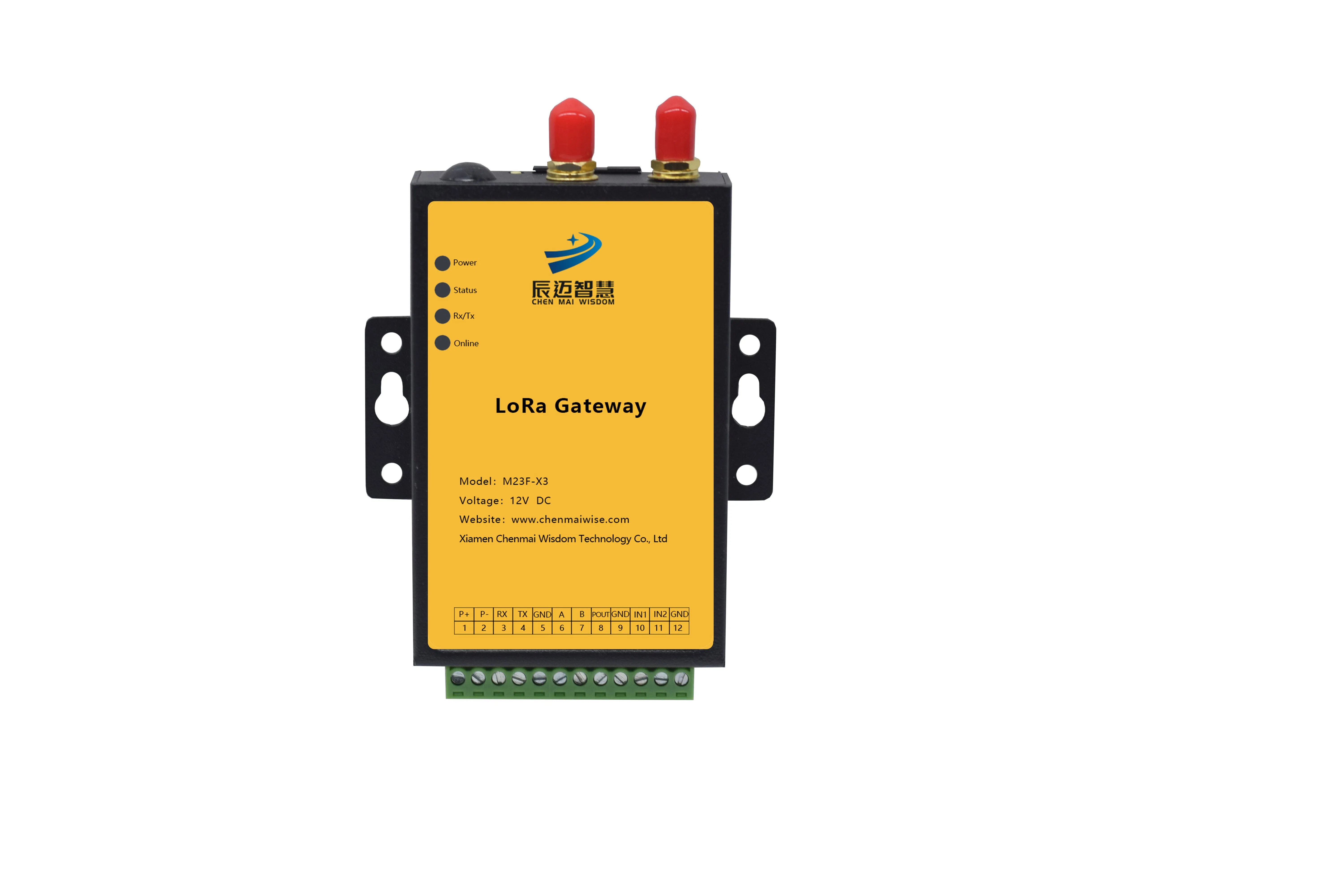
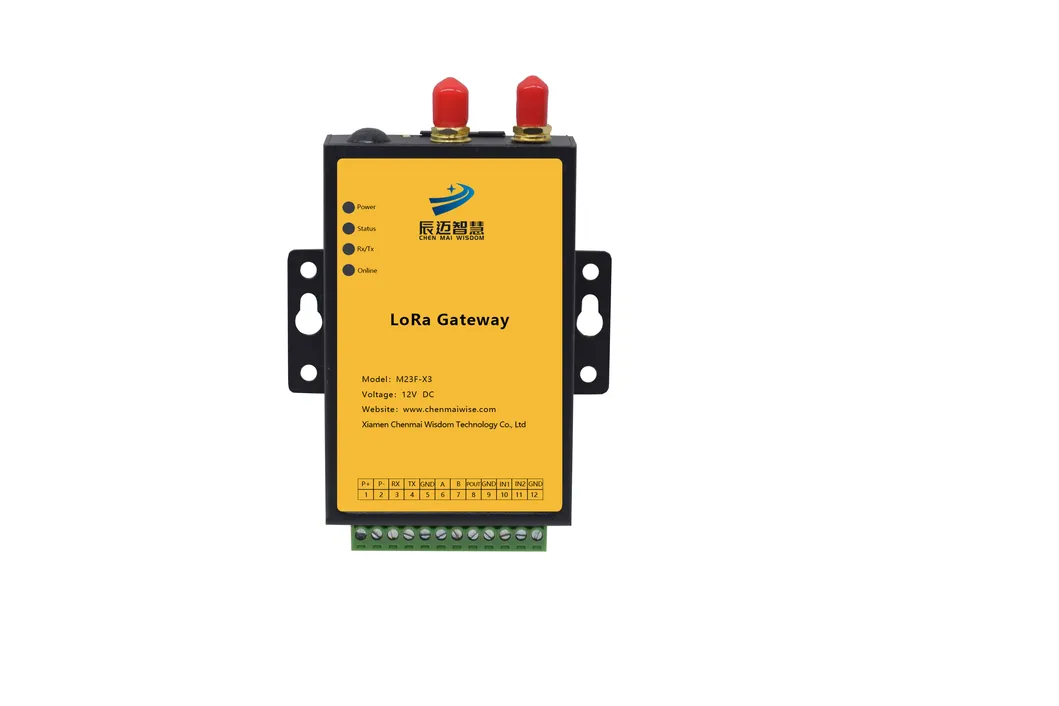
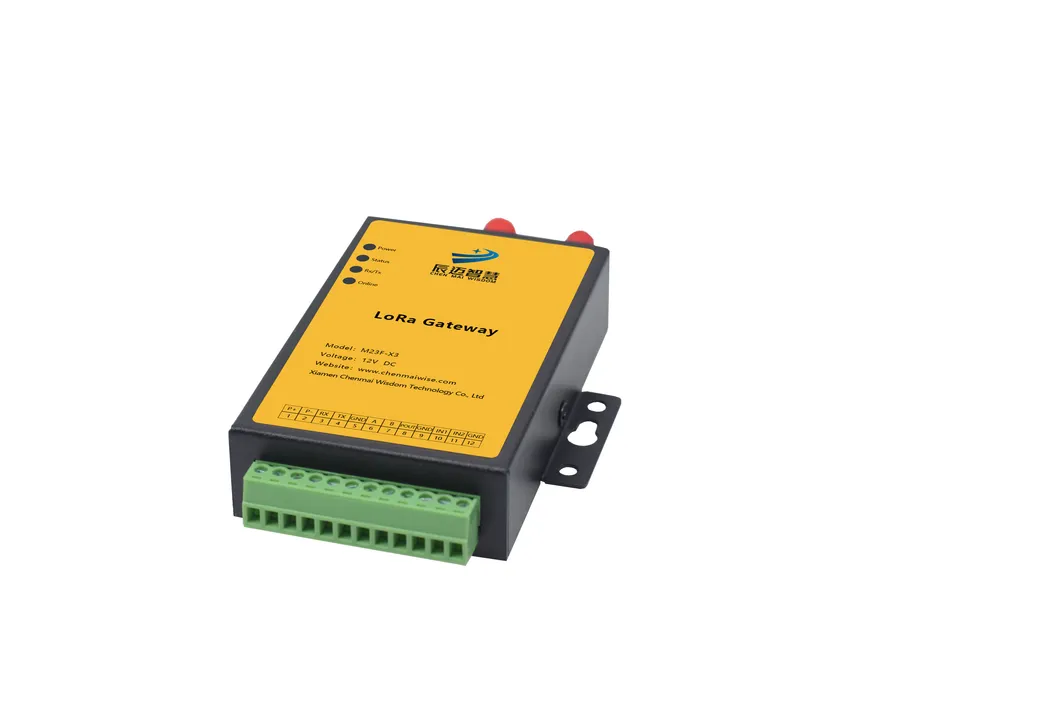
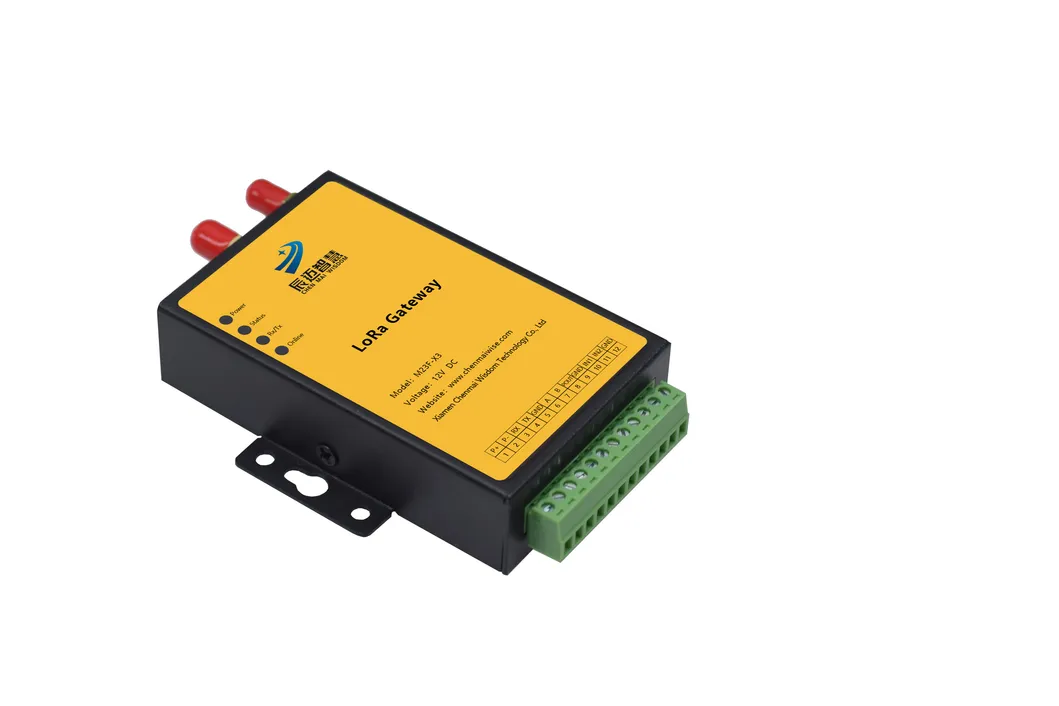
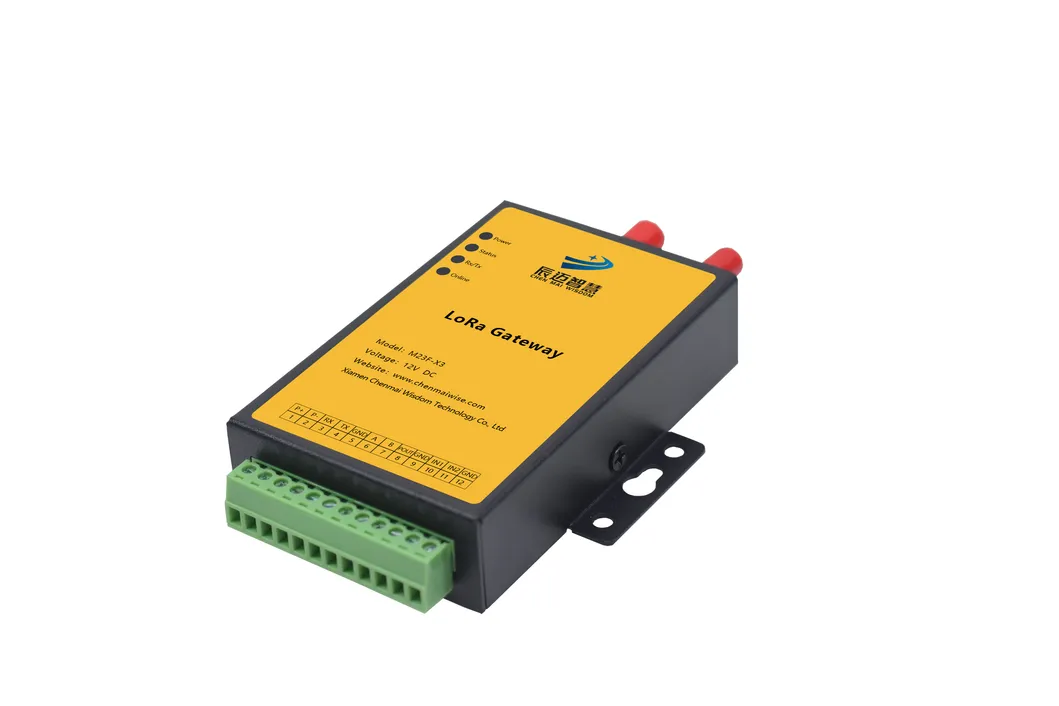
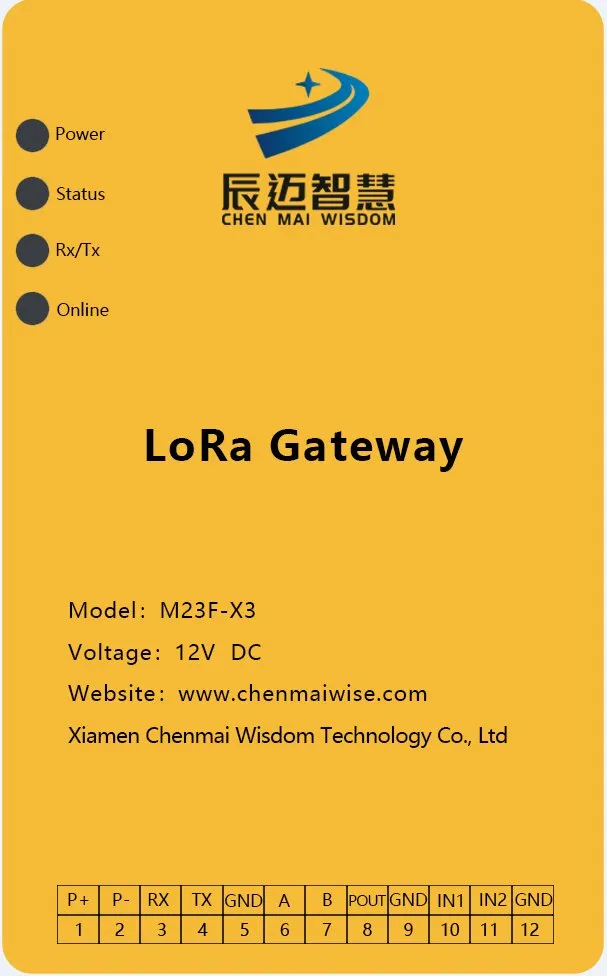
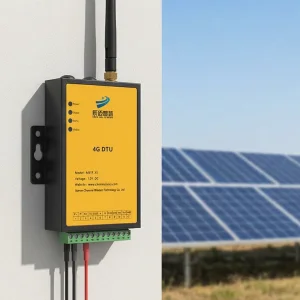
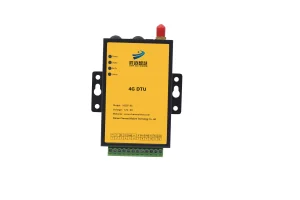
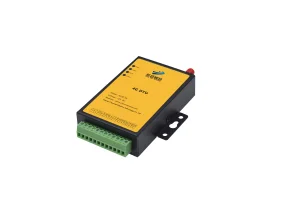
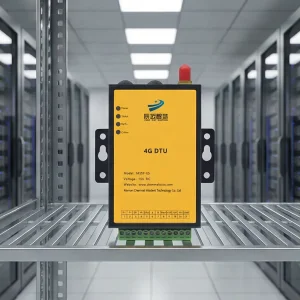
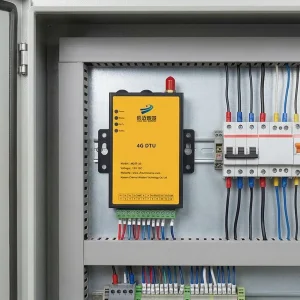
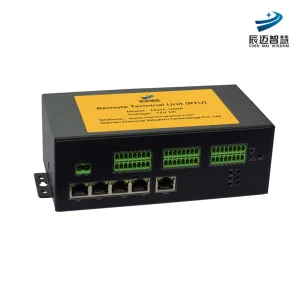
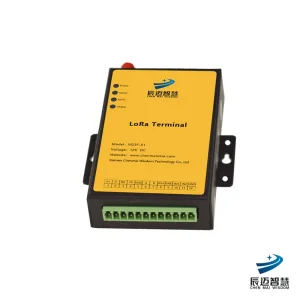
The M23F-X7 LoRa Terminal is an independently developed data transmission device. It integrates LoRa and serial port communication technologies, enabling data exchange with external equipment via serial ports and flexible networking through LoRa networks. The terminal is equipped with interfaces including an incremental rain gauge port, RS232 and RS485, ensuring secure and transparent data transmission.
Featuring comprehensive functions, long-term stable and reliable performance, as well as simple maintenance, it allows for hassle-free operation. This product is widely applied in the M2M (Machine-to-Machine) industry, covering scenarios like smart water conservancy, intelligent transportation, smart construction sites, smart fire protection and smart water services.
🌐 Vision & Strategy
Our Vision: Co-create a Smart Earth and march towards the sea of stars!
Our Positioning: A Provider of Smart IoT Terminal Products and Solution Services.
We are a technology-driven enterprise integrating the R&D, production and manufacturing of smart IoT terminal products. Our solutions cover smart cities, environmental monitoring, emergency disaster prevention, and mitigation early warning informatization.
❓ Frequently Asked Questions
What communication protocols does the M23F-X7 support?
The terminal supports LoRa wireless networks and the standard MODBUS-RTU communication protocol for seamless industrial integration.
What is the power consumption in sleep mode?
The terminal is designed for ultra-low power consumption, with system sleep current staying below or equal to 2 mA.
Can the device operate in extreme weather conditions?
Yes, the device is built with industrial-grade components and supports a wide operating temperature range from -30ºC to 75ºC.
What physical interfaces are available on the terminal?
It includes 2-channel incremental rain gauge inputs, 1-channel RS485, 1-channel RS232, and 1-channel controlled power output.
Does the terminal support remote firmware updates?
The device supports local configuration and firmware upgrades to ensure long-term reliability and feature enhancements.
What are the primary applications for this IoT terminal?
It is widely used in smart water conservancy, intelligent transportation, smart construction sites, and emergency disaster prevention systems.
 StavroCare Medical